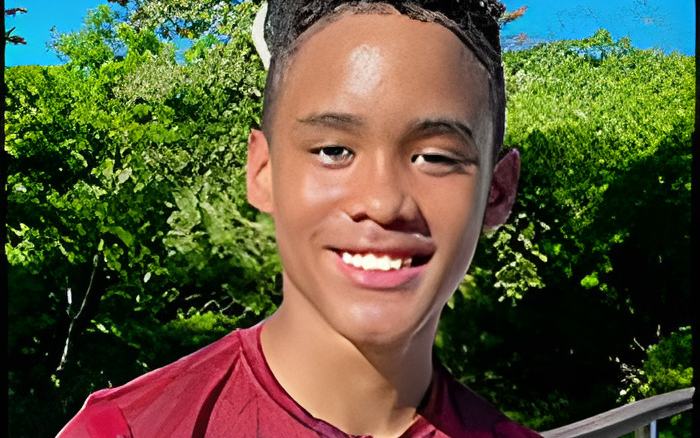

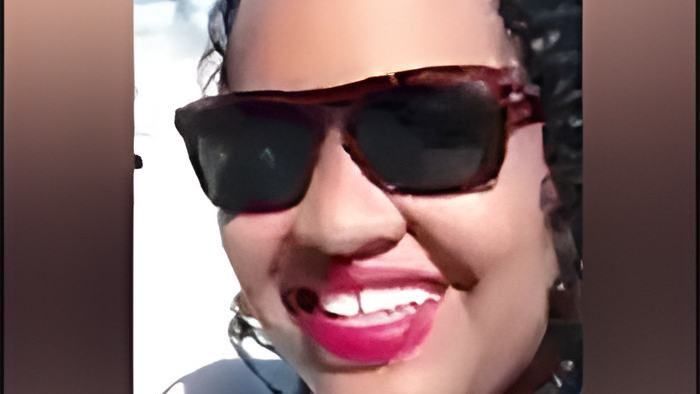
And turning now to the latest victim of that crime, we're taking another look at the death of Vivian Belisle Ramnarace. It's the snuffing out of the silver lining that the Belisle-Pascascios hoped would help them recover from that terrible New Year's Eve tragedy. Instead, it's now re-opened a wound that had barely started to heal.
But how exactly did Vivian die? Last night we heard a relative point to a blood clot in her leg that may have travelled to her lung, a most cruel and undeserving end for a woman who had survived a handful of gunshots from a ruthless killer at close range.
But, how did this happen? And did it have to happen? Today we consulted intensivist Dr Fernando Cuellar, and he said it is a relatively common side effect of the type of trauma that Vivian had suffered.
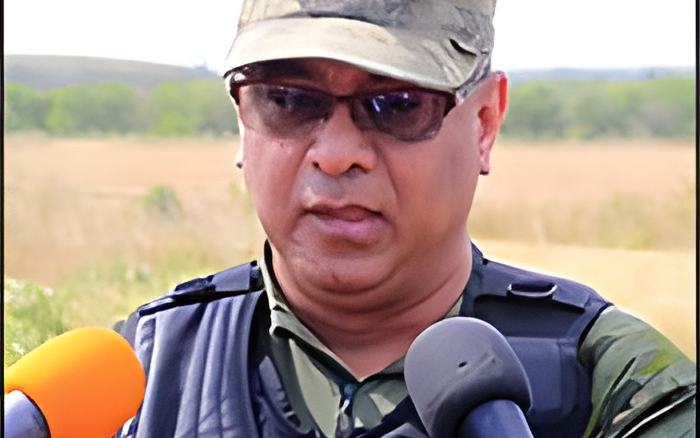
Dr. Fernando Cuellar, Medical Doctor
"You can develop blood clots after going through trauma and by the trauma I mean the gunshots that this person has suffered, trauma if you are injured in a road traffic accident, even if you are having an elected surgery, even if you're having, for example, your appendix or your gall bladder removed or your womb removed, there is a possibility, um, that you can develop blood clots, um, to the legs, as a matter of fact that is one of the most frequent occasions of surgery and it depends on different factors one of them, of course, is being sedentary, ok, meaning that you aren't moving much you are just lying or sitting down and so that makes you and your body or your blood in a condition to be more clot forming so to speak. Your state of hydration is another thing, another risk factor is if you're obese."
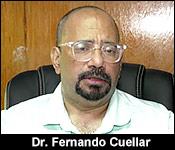
"If you have diabetes, if you smoke cigarettes, so those are the factors that put you at risk to develop blood clots to your legs and then the blood clots to your legs are the ones who unfortunately don't kill you but when they travel from your legs into your lung causing what is called a pulmonary embolism and then that is your direct cause of death. That is indeed one of the feared complications of being in the state of trauma, noh."
Cherisse Halsall:
"We hear that this lady had to be intubated."
Dr. Fernando Cuellar, Medical Doctor
"Yes, yes, that is one of the actions that you would take to try to save someone but here and in every part of the world pulmonary embolisms come with high mortality meaning that lots of people develop blood clots to the lungs it's hard for them to overcome, noh, to survive because it basically, the blood clot goes to your arteries of the lungs and makes your lungs unable to work to transfer oxygen as it should."
Cherisse Halsall:
"If you're in the U.S. or somewhere after that type of surgery what are some of the measures that are done to prevent blood clots?"
Dr. Fernando Cuellar, Medical Doctor
"Well, one of them would more than likely the person would be asked to be more ambulatory, ok. So, you would be asked to move around much more, another thing is to make sure that you are well-hydrated drink a lot of water for example, another one is to use what are called compressive stockings to your legs so as to minimize the risks of the blood clot forming and sometimes you are given medication, blood thinning agents so as to prevent blood clots after trauma and after surgeries for a period of time because you know that during that time after the trauma you are definitely more prone to develop blood clots."