
body,td,th { font-family: Arial; font-style: normal; font-weight: normal; }
Almost every day on Belize's roadways, drivers and pedestrians get into traffic incidents, many of them fatal.
And for those who survive, the recovery process is a long and arduous one. The families of the fatalities must also endure a level of stress and trauma.
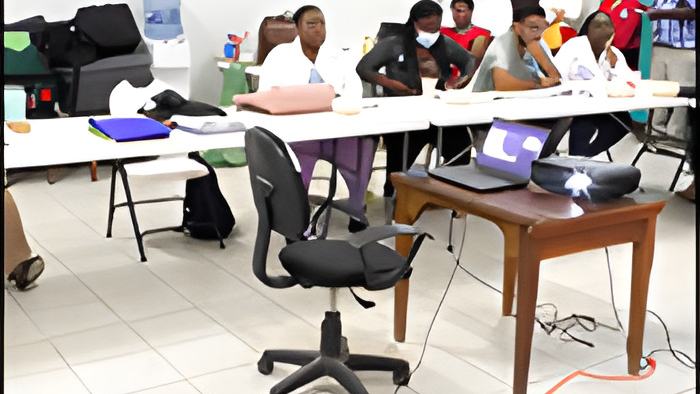
And as the Road Safety Project continues, it became glaringly obvious that there was a need for mental health and psychosocial support. That's why PAHO has teamed up with the Ministry of Health to train frontliners on how to provide that service. Today, at the workshop, we heard more about the skills being taught.
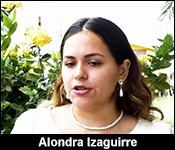
Alondra Izaguirre,National Consultant, PAHO/WHO
We have partnered with the second road safety project from the Ministry of Economic Development along with the Ministry of Health last year and we developed a situation analysis in which we found the gaps and some of the challenges faced by the victims of road traffic incidents and training guidelines was developed and we realized that often frontline workers are equipped with the necessary skills to respond to these emergencies in a physical manner but the mental health and psychosocial aspect is often overlooked so we understand the importance of equipping the front line workers on that aspect of mental health and psychosocial support services that they can provide, not just for the victims, but also for their families. Self care is an important component also because it's not just responding and assisting other people but also being able to take on that burden on themselves and be able to handle and manage that stress so it is important to have them prepared to respond but also for them to keep sane and also for them to maintain that level of calmness through these emergencies.
Ingrid Bonilla, Psychiatric Nurse/Trainer
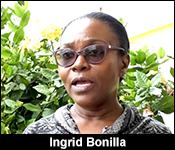
So far we have been focusing exactly on them understanding, first of all, road safety measures and for us to focus on approaching things from that angle, so it's called the road safety approach and then the other aspect of it is focusing on how they can give that emotional support, which is where it comes with that psychological first aid aspect. In that area is where the regular everyday individual can come upon an incident and know how to respond by simply providing assistance based on the person's need at that time. And then from there is goes further if it needs to be and they refer if needed, apart from that, they can also themselves leave with agencies if they have that means and need.
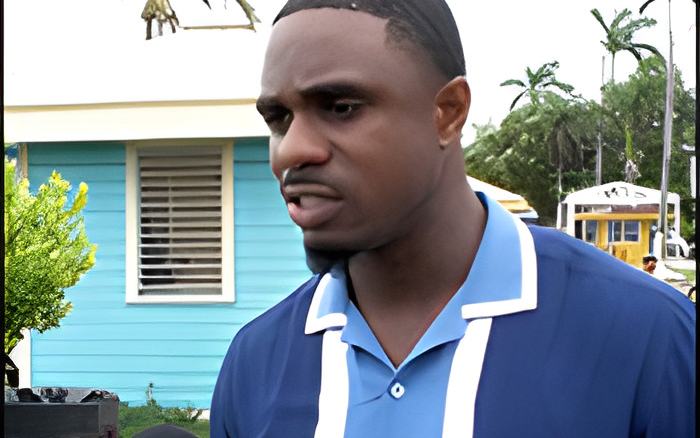
And one participant explained how the knowledge will help in his duties at the National Drug Abuse Control Council arm of the Ministry of Health.
Glenn Tillett Jr, National Drug Abuse Control Council, MOHW
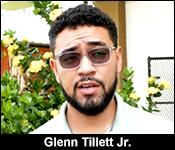
For the most part, the training has been useful and very knowledgeable for me as an outreach case officer. We deal with a lot of drug misuse cases and often road traffic accidents are caused by drug misuse. But so far the training has been very productive for me in regards to how we can improve our road safety in Belize. So far, this is my first day of training.
I am aware that it will be three activities so after the third activity we can receive our certificate. But this first training here that we've been doing in the central region is is quite interesting because it's teaching you stuff that you haven't been aware before, such as most of the time traffic accidents. It doesn't necessarily have to be our fault as human beings because we're not perfect.
We often make mistakes and plenty of times our vehicles are not in the best functioning capacity and the brakes might be faltering, our traffic lights might not be working. So we have to keep in mind that our safety and the safety of the other person should be of importance. What we do is brief intervention. Usually when a person goes through a traffic accident, they usually go through PTSD, post-traumatic stress disorder.
So what we would do, we try to come up with a program or sessions that would allow that person or that individual to fully function and realize that the incident has passed and come up with different strategies that would allow the individual to live a free and happy life after the incident. You know, most what we've been doing is we've been partnering with the traffic department.
When they have checkpoints, we would usually just offer the individual a motivational speech or something to that extent to encourage them to practice road safety, encourage them not to abuse alcohol while driving you know. Do not drink and drive or don't consume drugs while driving. That's our main agenda in that to prevent the misuse and abuse of drugs.
And fortunately, with this training, we can take what we learn with this training back to our department and further teach the individuals.
Other participants include representatives from the transport department, the police department, the Ministry of Human Services, the Belize Red Cross, and BERT.