
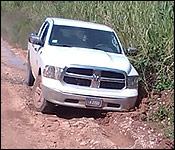
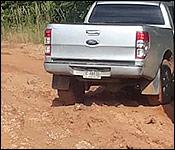
For the past two days, we've been showing you the atrocious road conditions in southern Toledo. They've gotten so bad, the children in some of the villages, such as Santa Ana, can't even go to school because the teachers can't reach them.
It's a concerning situation that the residents say they've been dealing with every year. But now they're speaking out, hoping that maybe this time around, the government will step in and correct the years of neglect.
But even though the Ministry of Infrastructure is on the ground, the frustration of the villagers has boiled over. And now, they must continue to wait because the project is a huge undertaking that will take some weeks… or months.
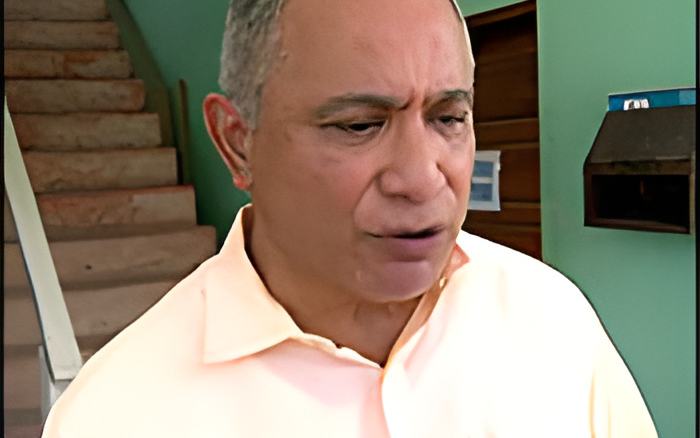
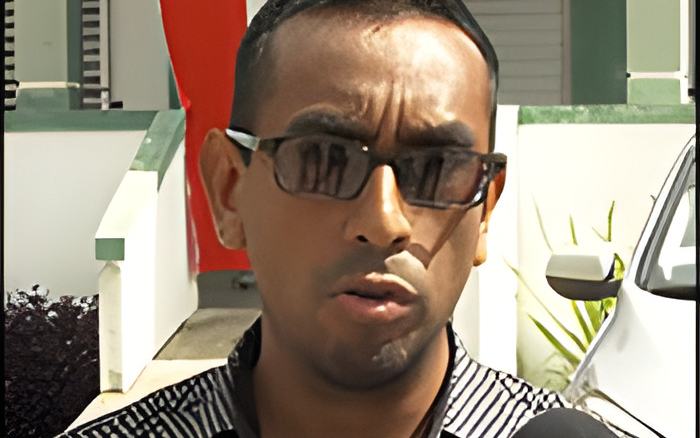
Courtney Menzies spoke to two residents and the Chief Engineer at MIDH and has this story.
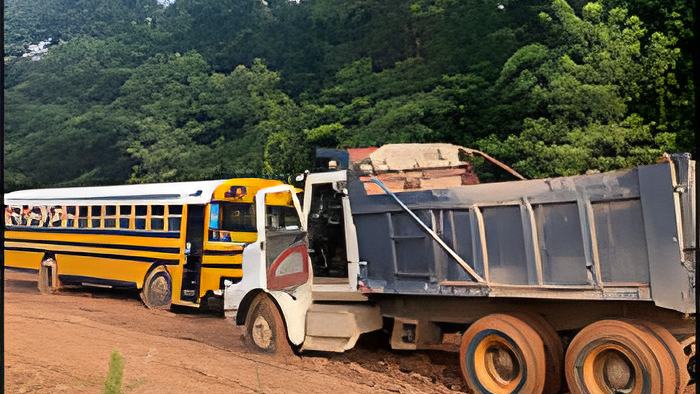
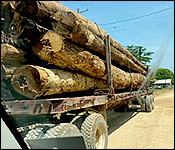
This is just one of the roads in southern Toledo that have been beaten by the rainy weather and battered by large logging trucks. These motorbikes are the only way residents can get in and out of the villages…because if they travel by bus, they run the risk of getting stuck in the mud, like these students.
And this is a yearly battle that the villagers south of San Felipe have to deal with - being practically trapped in their villages.
And they say after twenty years, they're tired of promises from both governments. Even though the Ministry of Infrastructure has announced plans to attend to the atrocious road conditions, the residents are still a little jaded because, well, they're heard that before.
Resident 1
"What I was aware of was that also the government made a press release that they would be fixing the roads from Otoxha to Dolores, between Sunday Wood to Crique Sarco, however the road at the front which is from the highway in Jacinto Village to San Felipe is the worst it has ever been, I don't really see the logic in not fixing that first because if people cannot get out of San Felipe or go into San Felipe, they cannot go beyond that, and beyond that is Santa Ana, is Midway Village, it's Barranco Village, it's Conejo, Sunday Wood, Crique Sarco, Dolores, Otoxoha, are all connected, they have to pass that section and they are not fixing this section and like I told you, I think people have been suffering in silence and again, enough is enough."
"Yesterday after the, coincidentally, I'm not sure if they had scheduled to work on that road but yesterday I saw that some of the road that had been really bad, especially where the bus got stuck, they dumped some material there and so yes I believe buses were able to traverse better today, however, you know these are small patches like you know, making small patches, there's really no effort in trying to make proper drains along the sides of the road, or putting material on top of the road, I would say that yes work have been done in the past but what is done is that they grade the sides of the already bad road and put it in the middle of the road, the rain comes, washes it back, there's no proper drainage and no material, you know like good material, added on top of the road, it's just mud and waste or you know the side of the road that's graded onto the road."
And without the proper maintenance, everyone suffers - the teachers who cannot get to the villages, the students who cannot go to school, and even the farmers who cannot make a living.
Resident 2
"We can't come out every time, because we just can't, nobody wants to go on that road, nobody can go on that road, you go on that road, man, you spend hours just to get to town. Fuel is expensive, that's what people can afford, motorbikes, how people all bring their things from town? Buses can't go out, teachers can't come, all kind of thing, every single year, every single year, and people are getting tired."
Courtney Menzies:
"Since your son can't go to school and it's the second day, what's he doing right now?"
Resident 2
"He's right here frustrated, crying because he wants to go to school, he's like, mommy, I'm tired of being at home, I want to go to school."
Courtney Menzies:
"What class is he in?"
Resident 2
"He's in Standard 1, he's very young, but he's excited to learn. Right now because my daughter is in high school, I didn't get to sign her up here because of that, I sent her to Cayo to High school because I knew that was going to be a problem."
Courtney Menzies:
"So she's living there for the time being?"
Resident 2
"She's living there for the time being because when they told us that she needs to go to the Corazon High School which is like, I told you, like another hour or hour and a half from where we are, I thought that was ridiculous and I know the rainy season and I know how bad the roads get every time. She would be missing so much school."
Resident 1
"Farmers are not even able to traverse on the road, the bus broke down, you're taking your produce to town, you have refrigerated, for example, if you are taking meat it's a loss because by the time you get to town or if you get to town, you don't have time to sell your produce and then you have to be back again, you have to get back on the bus by 11 or 11:30 to head back to the village."
And while these residents aren't exactly holding their breath for the roads to be repaired, the Chief Engineer from Ministry of Infrastructure assured them that they are working as fast as possible since Friday, but warned that it's going to take a while. That's because it's not a simple job - the roads need a lot of work but they're also contending with the rainy weather.

Lennox Bradley, Chief Engineer, MIDH
"We have about five contractors down there partnering with the ministry's team and we have been doing so since Friday. The private contractors they joined us Saturday. We are making inroads but we have some challenges because of the weather conditions and the type of material that we need. The eleven roads that we have identified, there are section where the pavement is very soft. Water has infiltrated it, ruts, you have deep ruts because of heavy loads that have traversed over these roads and we have to be very careful with the type of material that we use to try restore the roads back again."
"It is more stones that we are looking for and that is what is giving us a bit of hard time because we have to blast and blasting at the very pits that we have identified would take about 2-3 weeks but in between that time, during the interim, we are still using our heavy machinery, our excavators, trying to scrape rocks and then those rocks are what we are going to try to patch the roads to try allow access."
And even when that's finished, Bradley says they'll need to keep an eye on the large truck that traverse the roads.
Lennox Bradley, Chief Engineer, MIDH
"The logging trucks when Forestry issue permits to them there are certain conditions that they need to adhere and I think sometimes they seem to abuse those conditions and we have to find ways and means to try to step up our enforcement because while the logging might contribute to the national development of the country, the cost at which they are doing so may exceed that contribution to national development."
So as the ministry works out these issues, they're asking the residents to be a little more patient - and well, they have been doing so for the past two decades.
The current budget for this project is 3.5 million dollars.