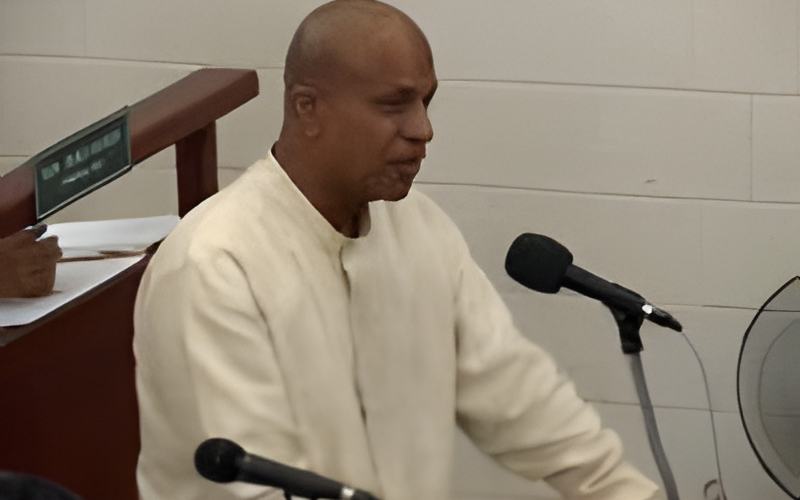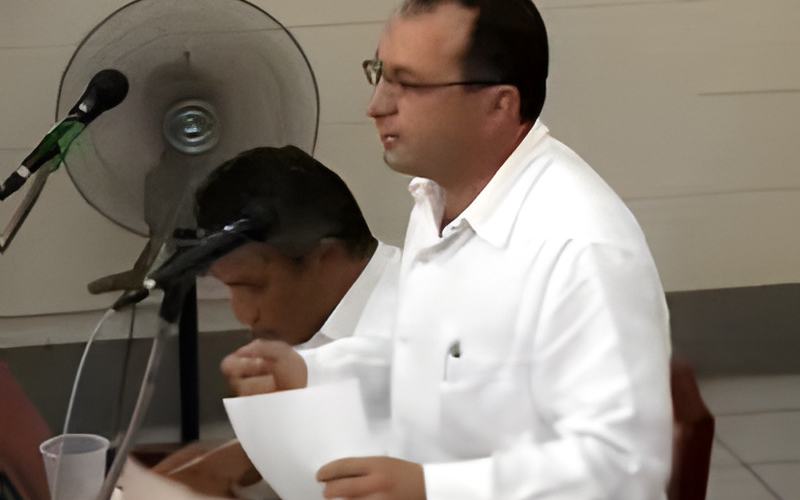

And while political matters made the most news at today’s House sitting, the most important business of the day was the passage of the Belize Constitutional Sixth Amendment Bill. It is the most sweeping package of amendments ever passed by the House and the UDP government says it is in fulfilment of their reform agenda. It does very many things including vesting petroleum rights in the hands of the government and people of Belize, enacts a three term limit for Prime Ministers, allows for a recall mechanism for bad acting representatives, shifts the balance of power in the senate so that government no longer controls it, and gives the Senate more oversight powers. That the main thrust of the amendments and the Prime Minister was beating his chest mightily over it.
Hon. Dean Barrow, Prime Minister
“Hallelujah, this is a red letter day for the United Democratic Party and for the people of this country. When we pass these constitutional amendments, this constitutional amendment bill today, we would have made safe in a way unprecedented our democracy and the rule of openness and transparency. Mr. Speaker we brought this bill to the House some time ago and as the Chairman of the Constitution and Foreign Affairs Committee will make clear during the debate, we held public hearings, public consultations in every single district.
As these consultations proceeded and as we went along, we indicated that we were hearing what the people of Belize we were saying and we were listening to what the people of Belize were saying and we indicated even before coming back to the House today that we would make changes accordingly, that we would make changes to reflect some of the concerns expressed by the people of this country. We have, in every case, listened to the people of this country and we thank them for allowing us to perfect what it was that we originally brought to the House.
I have to say again Mr. Speaker when this thing is passed it will mark a C change in the constitutional arrangements of this country in the democratic arrangements of this country. We are voluntarily giving up control of the Senate, control of the upper house by the administration. That is the essence of real effective Senate reform. After this Bill becomes law, it is the Senate that will be empowered to take the administration to task and that empowered Senate
will be controlled by the Opposition and the social partners.
Mr. Speaker we are providing that if elected officials, if elected members of this House engage in foolishness, do not work hard for their constituents, betray the trust of their constituents that they can be recalled, that there is a trigger mechanism that will arrange for a recall election of members of the National Assembly. So you can’t, no government can now think that it can be elected for five years and believe it can run riot and do what it pleases. By way of that mechanism, conceptually the people will be able to recall the entire government. Bring down an administration before the five years are up if they see that that administration is no good.”
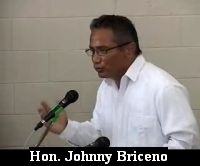
Hon. Johnny Briceno, PUP Leader
“My question is why the hurry Mr. Speaker. They have a super majority. I was in a number of consultations and in those consultations there were many concerns from the public at large, there were many concerns from the Bar Association, I was in three, there were many concerns from the Bar Association and other NGOs, the Teacher’s Union and the list can go on. We can take this Mr. Speaker, this is very serious business when it comes to tampering and amending the constitution. It is serious business when you’re talking about changing the fundamental rights and freedoms of Belizeans. So I am appealing today Mr. Speaker to the government that if they would hold back these amendments so that we can have further consultations with the Belizean people.”
An interesting note is that there will be time. The Prime Minister proposed that the package of amendments will be passed by both houses and then made to sit for a few months before being signed in to law. That is in deference to the Chief Justice, who said that a referendum should be held before it is passed into law. The government doesn’t plan to hold what it calls an idle referendum but will wait until the Court of Appeals rules on that case before signing it into law.