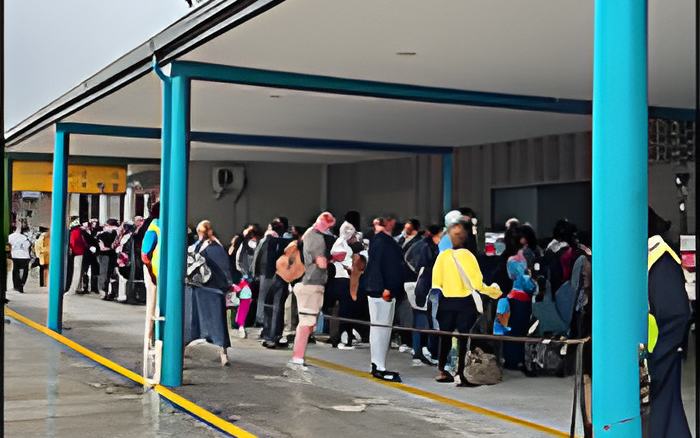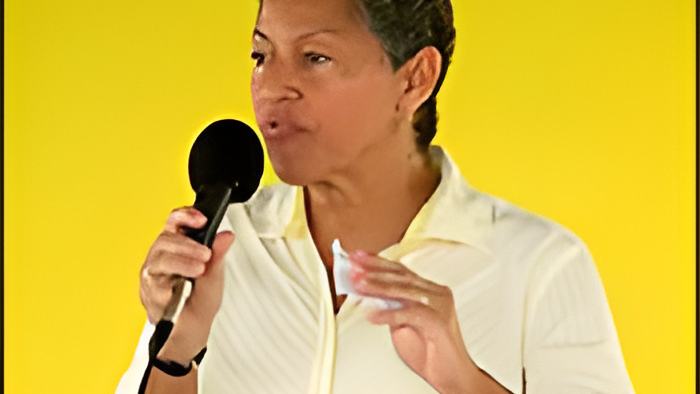
We turn now to a closer look at the trip that Members of the Indigenous Peoples Affairs Ministry made to the Maya villages of San Pedro Colombia and San Antonio.
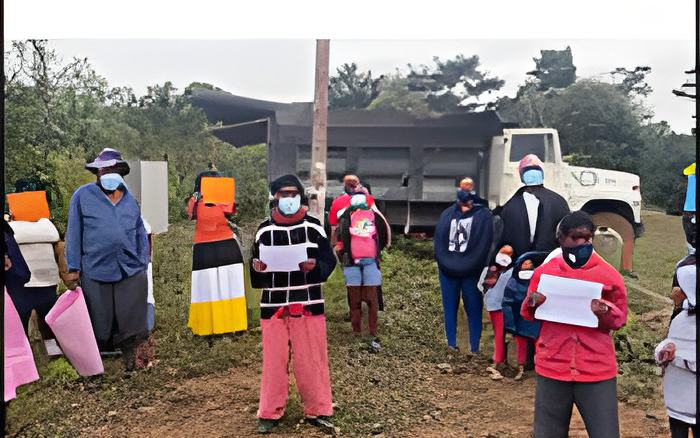
As we told you, Dolores Balderamos Garcia, the Minister of Indigenous Peoples Affairs; Elvia Vega-Samos, her Minister of State; Greg Ch'oc, the Indigenous Peoples Affairs Commissioner, made a 3-day working visit to the Toledo District. In that time, they hosted what the Government describes as "well-attended meetings with the communities were held in San Pedro Columbia and San Antonio".
They were there to sensitize the villagers about what exactly is in that FPIC document which the government has filed with the Caribbean Court of Justice. That's the one where the representatives of the Maya say that the government unilaterally finalized and filed with the court.
Our colleagues from Plus TV News tagged along for that trip and with their help, here's what Minister Dolores had to say to the persons who attended the meetings:
Hon. Dolores Balderamos-Garcia, Minister of Indigenous People's Affair
"What you have in your hand is called an FPIC protocol. FPIC means Free Prior Informed Consultation Process that the government of Belize is committed to and that the court ask us to do. They asked us to please put that paper in front of the court and to say to the court that we are willing to abide by what we called the FPIC protocol and the FPIC protocol, good people of San Pedro Colombia is a commitment of the government in consultation with the people, a commitment that we will consult with you. We will not try to come into your village and take over without talking to you. We have to do so before we do anything in the village and the people need to understand for themselves, for yourselves what it is that a private entity or the government are trying to do and I also can tell you that we call it a consultation process, not only a consent process, because the village does have the right to say no, if it is something that will be for the detriment. But we believe good people of San Pedro Colombia that when it comes to development and I look at my friend the minister, he is all for the development of this community and all the communities of the south. When it comes to development, I believe that if we speak to you respectfully, dialogue in a respectful way, we can come to the understandings that will bring development to the south, because the Toledo District can never again be a forgotten district."
And, of course, the topic of the role of the Toledo Alcaldes Association came up during her explanation of the FPIC. Here are the comments which the Minister made at Sunday's meeting:
Hon. Dolores Balderamos-Garcia, Minister of Indigenous People's Affair
"Please let me make it abundantly clear at the very beginning that the government of Belize respects the alcaldes and the alcalde system. However, I am not here to preach to you, but I am here to recognize your way of life how you do things and my understanding, the government's understanding is that it is the individual villages like San Pedro Colombia, San Antonio - wherever we go it is the individual villages that can take decisions for their village. Of course, we respect the alcaldes and the chairmen and the vice-alcalde and the police of the village, but it is the villagers in their meeting that will make final decisions an alcalde in our view cannot join an association and say they will make all the decisions for the people without consulting back with the people. I want to repeat that."
Today's government briefing on the trip says, quote, "The ministers also met in Punta Gorda Town with Alcaldes, chairpersons, and villagers of five other villages as well as representatives of the Kekchi Council and the Sarstoon Temash Institute for Indigenous Management. All in attendance pledged to work hand in hand with the government for the implementation of the Consent Judgement." End quote.