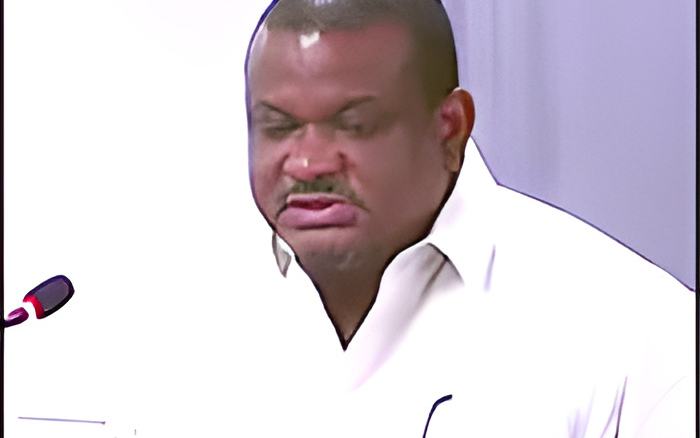

And yesterday in the Senate Meeting, the UDP also had some issues with the Bail Bill. This bill seeks to revise the framework of how bail is considered and granted in the legal system.
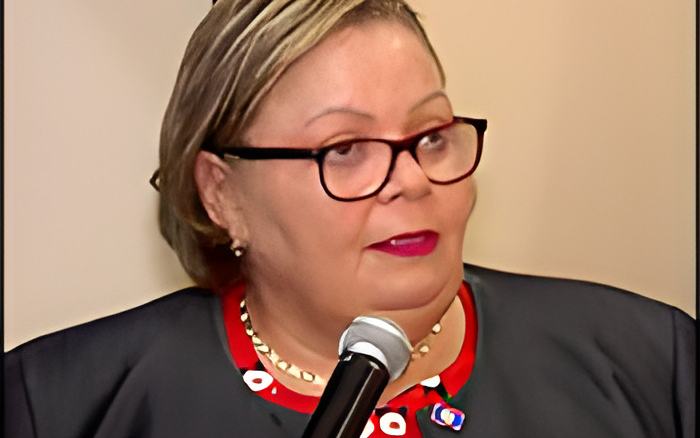
And while the opposition didn't object to the bill itself, they had some concerns with it. Leader senator Patrick Faber rose to talk about what they consider the good and the bad.
Patrick Faber, UDP Senator
"Should I say Senator Courtenay that it is a bill that we could potentially support with the right amendments. But let me begin with the commendable parts of the bill. Firstly, it allows for clarity and consolidation, 6 bills or 6 acts of law that now come into one and this is addressed in section 1-3 of the bill. Second point is that it's good because it protects victims and the public."
"There is as well the modernizing and the use of electronic tools, particularly the electronic monitoring tool, something that we've long seen in the movies but we've not enjoyed here in Belize."
"But our critical concerns Mr President are as follows. Under section 1.2 of the point, we see a wide array of offenses including not just violent crimes but also immigration infractions. We also see certain traffic offenses and firearm offenses. All of these require bail to be granted solely by a judge and that is limiting bail access to judges only and that could be a potential problem."
"A second concern we have is the dangerous expansion of police bail discretion. This section allows for commission officers to decide on bail for offenses punishable upon summary conviction. The problem with this is that police officers are not always impartial adjudicators. We entrust them with such discretion and that could potentially cause a problem because their discretion risks arbitrary denial, particularly in marginalized communities where people know each other, police may have some kind of vendetta against the person or against a family in the community."

The social partners also weighed in with their own concerns:
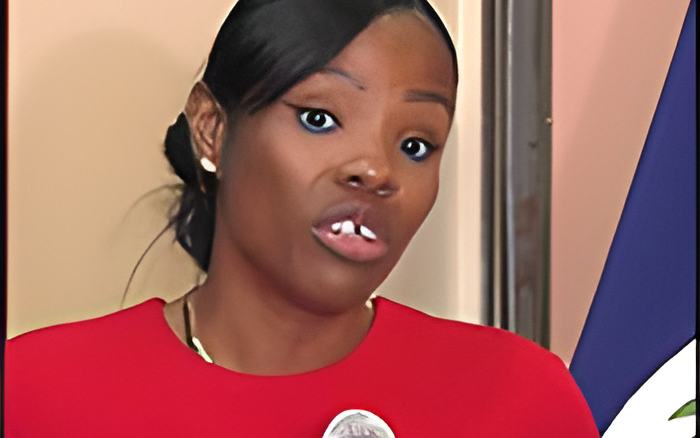
Janelle Chanona, NGO Senator
"I think what stood immediately to us and the feedback we were getting is a sense that the public social contract is wanting or needing some attention because I think there was an innate want to trust but there's also kind of in your face reasons not to. And to piggyback on something that has already been shared in terms of the responsibility of bail in terms of well if we're setting out rules on who should get bail can we talk about discretion to ensure that there's no discrimination that can come into play but some of our membership immediately went to a recent case that blew up ons social media for a time of a child that had been raped in a village and the person got bail and went right back to the village and the child had to relocate with her sibling to another part of the country at the family's expense."
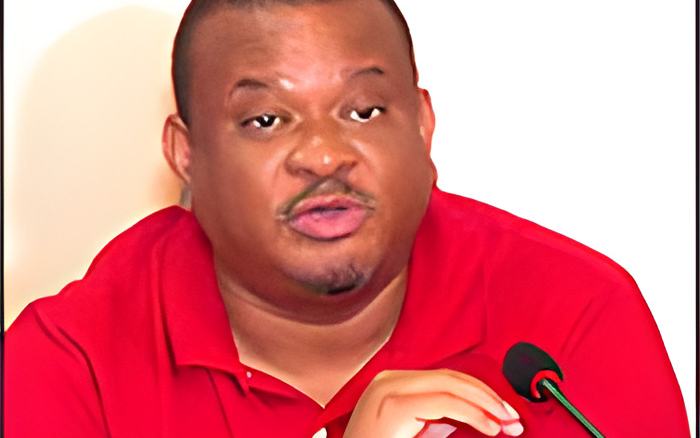
Glenford Dennison, Union Senator
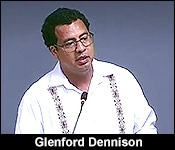
"This provision that says and it's at clause 5.3. it says where a defendant is arrested or detained on reasonable grounds that the defendant has committed an offense and has not been charged with an offense within 48 hours after the arrest or detention, the defendant shall be released unconditionally. Senior Pitts made a very powerful statement on why that is important but the importance of this cannot be understated. The abuse of the detention period needs to stop and police officers, you know who you are, stop doing it."
"I commend 6.2A for acknowledging the mental health profile as one of the issues is for consideration but it reminds me that there's also something that is not taken into account for bail is the physical profile and health of accused persons."
And to close off the debate, the Leader of Government Business explained that this bill does not have any malicious intent, especially towards marginalized communities.
Eamon Courtenay, Leader of Government Business
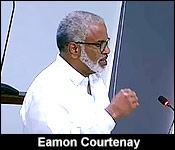
"This bill is not revolutionary. It is not attempting to change the existing framework for bail, for the granting of bail, for the refusal of bail that exists at the moment. It is attempting to put in legislative form common law position, or I should put it the next way, different statutory position as interpreted in cases common law position into one place so that everyone can know what the law relative to bail is. So I want to emphasize that it is not changing in any significant way the existing bail framework in Belize. I emphasize that because again, there is no intention, has never been the intention here, to prejudice, punish, marginalized sectors in our society."
In the end the bill was withheld for further examination.