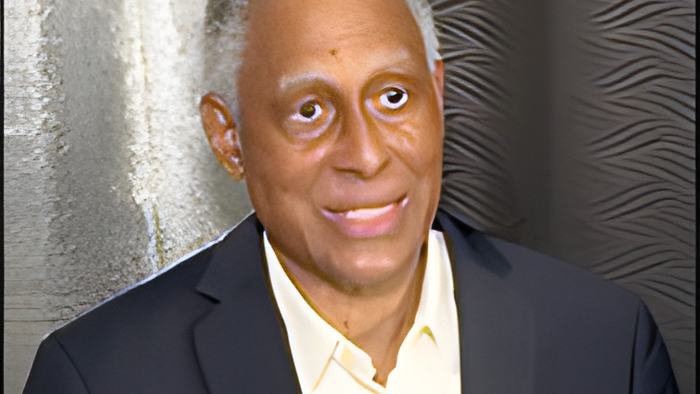
And one thing the CCJ has not influenced is the death penalty. When the court was founded 20 years ago as a regional alternative to the British Privy Council. it was wrongly seen as a hangman's court - basically a court that would re-institute the death penalty. The CCJ has not done that. Saunders said that his most memorable case was one dealing with the death penalty which set the tone for how the court would handle such cases:
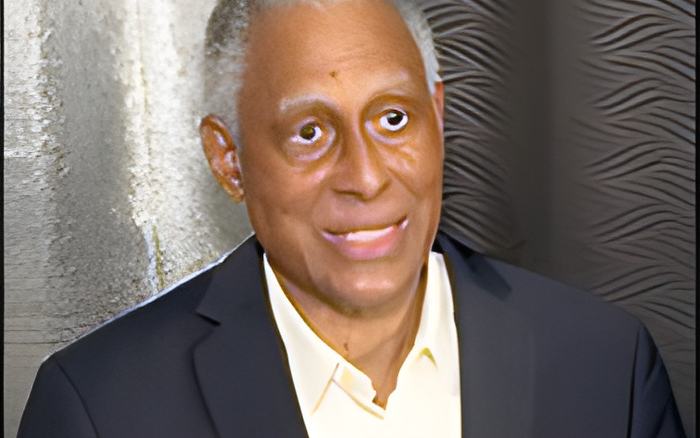
Justice Adrian Saunders, Former President - CCJ
"I would say, if I had to select one case, of course, a series of cases that we decided that have been interesting have been important. But perhaps the most important one is the first case that we did that was of great importance. And that is the case of Boyce and Joseph from Barbados why it was important to the death penalty case, whether two young men who had been convicted of murder should suffer the death penalty. So why was it so important? A range of things. Number one, it was coming just at the time that the court had been newly established and people were wondering what was going to be our approach to some of the very progressive anti-death penalty jurisdiction jurisprudence."
Jules Vasquez
"Right it was seen as the hangman's court?"
Justice Adrian Saunders, Former President - CCJ
"Exactly. So that, people wanted to know, is this going to be a hangman's court?"
"Is this a government's response to Pratt and Morgan? So you had to answer that, and we answered it, of course, by suggesting that, we are not a hangman's court and the Privy Council, the jurisprudence that we consider to be important for human rights, progressive, we will adopt. But we would not, automatically adopt all their jurisprudence."