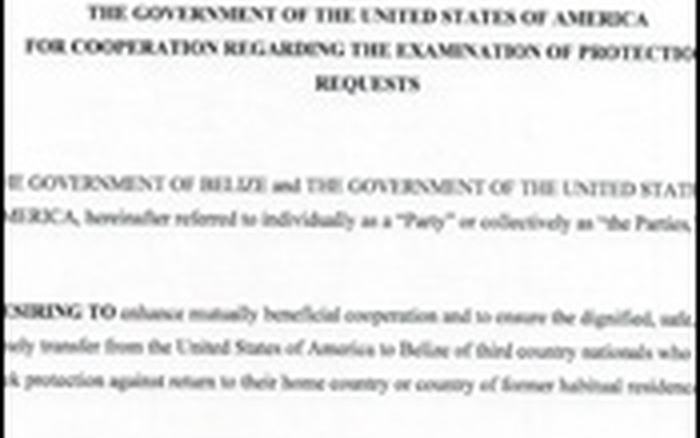

And the Minister of Foreign Affairs has made it clear that the agreement isn't a secret document and in fact has already been shared with the National Assembly's clerk for her to pass on to the senators. He added that the opposition will get the chance to debate the agreement before it is ratified.
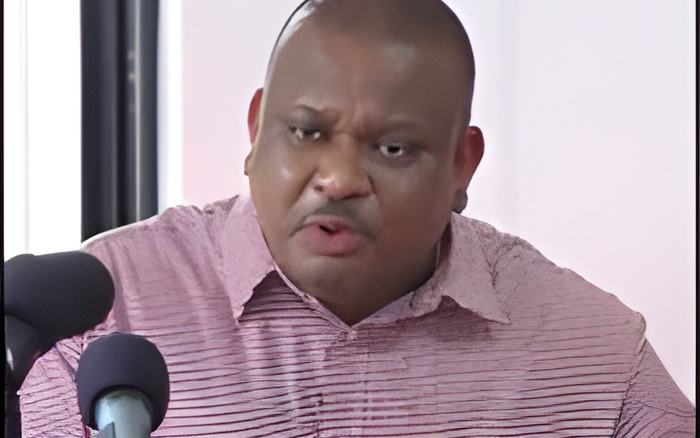
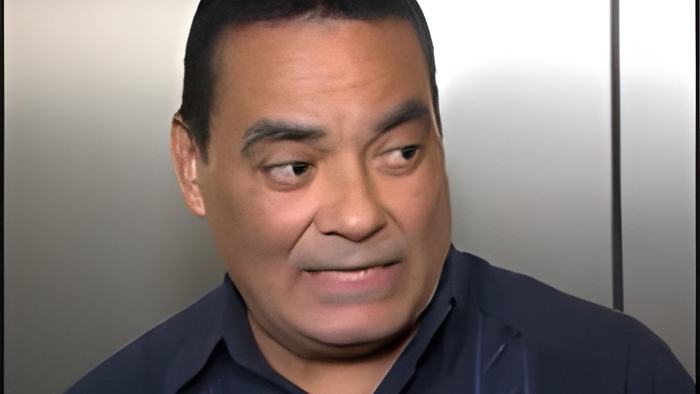
Francis Fonseca, Minister of Foreign Affairs, Foreign Trade & Immigration
"We already, we've already shared it with the clerk, the senators. So the senators should have access to that. It's not a secret document."
"We, so yes, they will be able to have that and debate it. I already made the point that there's a process that this has to follow. We signed the agreement, but it has to be ratified by the Senate. So there will have to be tabled. It will have to be tabled at the Senate. We've already sent it over to the Senate."
"It will have to be debated there."
"We will have to respond to any questions and concerns raised by the senators. But there's also another limb which will require that we amend our domestic legislation, right, domestic legislation. So, for example, the refugees act will have to be amended. And so that will have to be taken to parliament, to the house of representatives. And there again, we will present that that amendment amended bill and we'll have an opportunity to debate that and discuss that. So it will be a very open, transparent process. And then the final point is that, as I have said, and I said in my statement in the host on last Friday, this entire agreement will be underpinned by what we call operational procedures, operational procedures."
"So the signing was just the beginning of the process. And we have to finalize those operational procedures between ourselves and the United States and only when we have finalized that, when it has been ratified, when we have done the domestic legislation and we have finalized and agreed upon the operational procedures. Only then will the agreement take effect. So those steps have to be followed and all of those steps will be very open and transparent, as I have already said. Belize's position is very clear. We have, you know, a statement of principles that govern our position as it relates to the operational procedures, which means that we will determine where which countries of origin these people will come from. For that, in our case, it will be people from Central America and the Caribbean in Central America, with the exception of Guatemala, for obvious reasons. And then we will place a cap on the number of people who will be able to be transferred to Belize. And our position is that that number should not be more than 10 people per annum. Now, this is a two-year agreement in the first instance. So we're talking about 20 people. So, you know, I think it's important to the Belizean people to understand that."