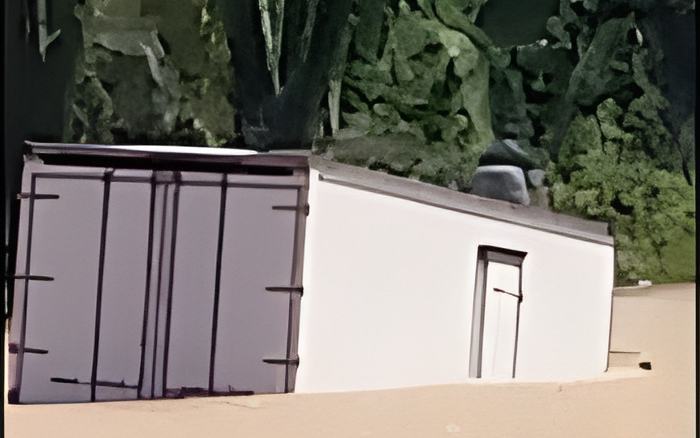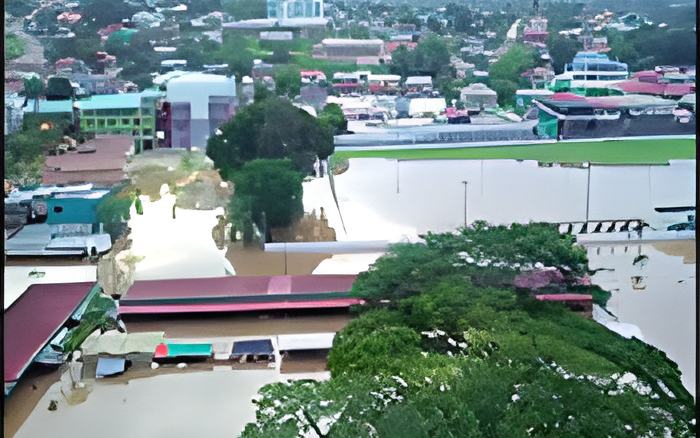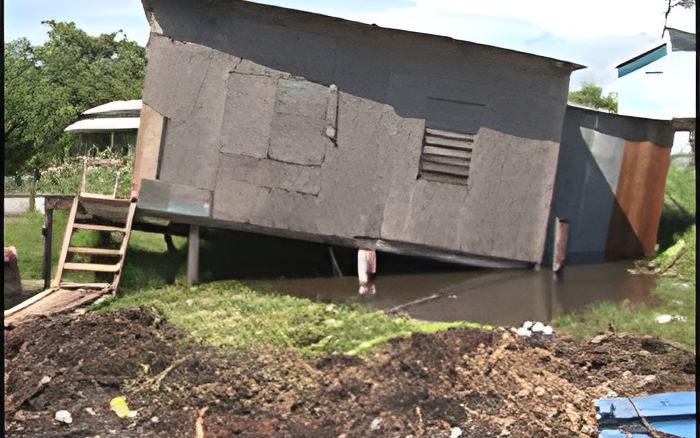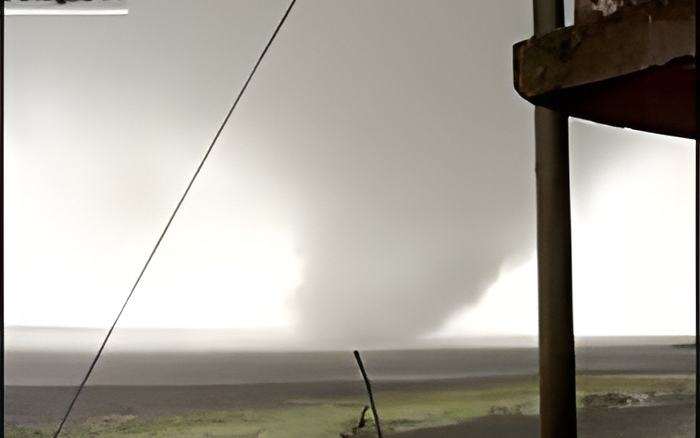

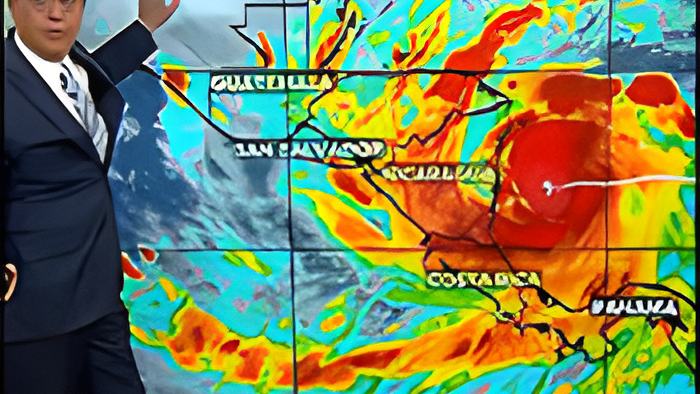
So, from those snapshots of flooding in Cayo to the freak storm that hit Lake I in Belize City, we take you now to fly-over synopsis of Hurricane Julia's impacts on Central America: from its landfall in Nicaragua to the formation of a differently named storm from its remnants.
We got that report 90 minutes ago from the Chief Meteorologist, Ronald Gordon:
Ronald Gordon - Chief Meteorologist
"The system moved in a general westward track as was forecasted and eventually became a category one hurricane, with winds of 85 miles per hour, making landfall on the coast of Nicaragua early on Sunday morning. After landfall, the system moved on a more westerly track than was expected initially, rather than west-northwestward, and continued impacting Nicaragua, but moving more on a truck that prevented it from moving over the mountains - so to speak - and dissipating. So, it survived the trip across Nicaragua and emerged into the eastern Pacific as a tropical storm, eventually recurving, and making landfall on Guatemala, and dissipating on Monday afternoon. More relevant to us, as we had expected, the outer bands of this system produce torrential rainfall over the weekend. We saw the rainfalls increasing ahead of the system with a moist northeasterly airflow from as early as Friday into Saturday. And then, the heavier stuff came down on Sunday when the system when the outer bands began affecting Belize. So certainly, we had impacts on the system in terms of

gusty winds, torrential rainfall, as we expected, and then there was also the huge battering waves that affected portions of Monkey River, I believe - well, other parts of the country, as well as coastal areas of the country. So that basically summarizes the meteorological impacts from Julia, and mostly from the older bands of the system, as we mentioned previously. The system currently is dissipated, but a part of its remnants went across the Yucatan and emerged into the Bay of Campeche in the Gulf of Mexico and was declared Tropical Storm Karl this afternoon. It is moving away from us to the northwest but will recurve a bit, and then move a bit southward into Mexico, and dissipate over Mexico. With the system moving away or the remnants having moved away, weather conditions have improved significantly, as we see today."
The Chief Met Officer then discussed the many inches of rain that fell all over Belize. Here's that part of his report:
Ronald Gordon - Chief Meteorologist
"On Sunday, we had rainfall totals of almost six inches in the Placencia area and also in other parts of the country. In Middlesex, we had about eight inches of rainfall. Eventually, on Monday, the remnants moved farther west and affected the western parts of the country, San Ignacio/Santa Elena, where we saw upwards of three inches of rainfall in a very short period of time, producing the flooding event that we saw in that area."