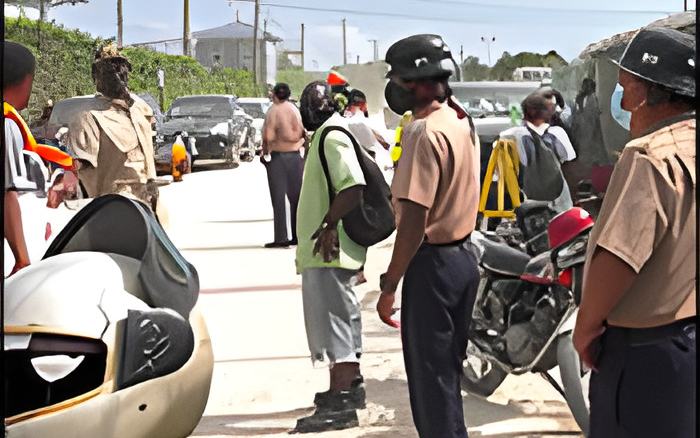

It's been a little over 3 weeks ago since BSI/ASR's Tower Hill Factory resumed its operations to accept cane deliveries for the 2021/2022 Sugar Crop Season. That's after that first week of difficulty, which escalated to unrest following the Christmas Holiday weekend. That's when the farmers from the Belize Sugar Cane Farmers Association staged a cane truck protest, and blocked the entrances of the compound, preventing all business.
The Prime Minister and his team had to intervene to help the millers and this major group of farmers reach an uneasy truce so that the industry's productivity could restart. Since then, all stakeholders have been mindful to avoid any further delays and loss of earnings.
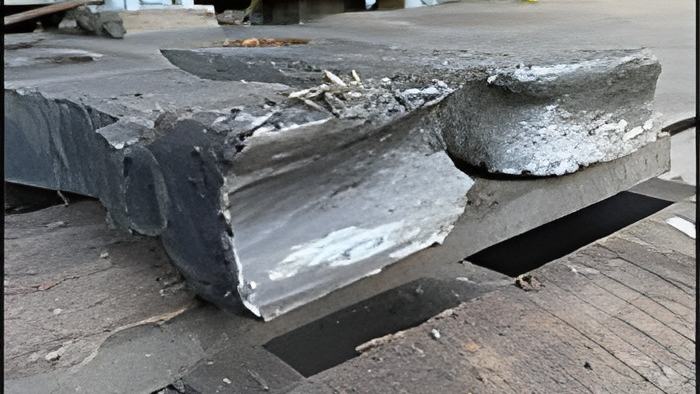
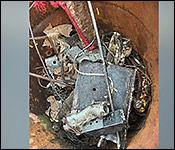
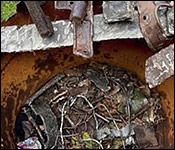
Viewers will remember the concerns from the mill's staff when they found rocks in the first cane deliveries after the restart. They were hoping that these extraneous materials were not intentionally left in the cane delivery trucks as an attempt at sabotage. Well, in a press release from today, the company alerted the general public that since then, they are still finding things like rocks and metals which could seriously damage the factory's pricey equipment.
At this time, they are accusing the farmers of deliberately trying to hurt the mill. But, they are warning the public and the population of cane farmers, who depend on the industry for their livelihoods, that there has been an alarming spike in these extraneous materials in recent deliveries.
In their statement, BSI says, quote, "While the mud levels at this time are within the normal acceptable parameters, materials such as metal, rocks, and rubble are unusually high. These extraneous materials… can lead to catastrophic breakdowns and direct destruction of mill equipment which can affect cane throughput, sugar extraction efficiencies, and significant lost time that can result in standing cane. BSI felt the need to issue an advisory to all stakeholders to take all possible steps to safeguard the integrity of the mill for the collective good of the industry." End quote.
At midday today, William Neal, the company's Communications and Government Affairs Officer, spoke with the press on the topic:

William Neal, Communications, A.S.R./B.S.I.
"It has been one month since the crop has started, and what is concerning to us at BSI is that we have seen extraneous materials, which means anything from metals to sticks, to rocks showing up more frequently in the cane that is being delivered to the mill. Because of the process for how the mill works, as the cane is being prepared it has to go through the hammers, knifes, etc., which as the name suggest for the knifes, it seeks to cut it in smaller portions so that it can go through the mill easier. So, obviously when you have metal coming in, it cannot cut at the knifes. Then, the hammers which flattens the cane into something similar to what baggase looks like as a part of the preparation for it to go through the mill itself. You have the problem that it cannot crush that at the level that it needs to be done for the preparation and it damages the mill itself. Because of the frequency and the sizes we are seeing, in terms of metals and rocks, that BSI has felt it necessary to write the cane farmer community, but at the same time also do something publicly to register that we are extremely concerned about the extraneous matter that we see coming to the mill and the damage it could do to the mill itself in terms of lost time and also in terms shutting down the mill or even the crop, prematurely."
The millers are calling on the Sugar Cane Production Committee, an arm of the Sugar Industry Control Board, to work along with the leaders of each association. They recommend that SCPC officials and the association leaders should conduct field inspections to ensure good harvesting practices. Here's what Neal had to say about that important verification process:
William Neal
"We are not saying it's an act of sabotage and we are hopeful that there are not, but we are just saying that they are extremely worrisome especially this early in the crop, because of what it could do to the overall crop itself."
Reporter
"Is perhaps as a result of a lack of due diligence on the part of the farmers?"
William Neal
"That is one of the things we are encouraging the Sugar Cane Production Committee to reinforce. There has been talk of a ban for quite some years to push pillers. When the cane cutters have finished cutting the cane, the push pillers come behind, and as the name suggest, it actually pushes and piles the cane so that it can be loaded in the truck. Sometimes you will have rocks, etc. being picked up, but that is one of the reaping practices that actually we have been pushing to eradicate and ban completely, because when you have weather situation that means it increases the mud that is also being collected. It also increases the chances of rocks or metals being piled in with the cane in the first place. In the interim what we are asking also is because cane is delivered by group, we can detect which group the extraneous material is tied to and so we are also asking the STPC at this point to look at those frequent offenders and either figure out a way to enforce some kind of greater due diligence on their part to make sure that is not the situation that we face at the mill, because it can be catastrophic for everyone within the industry."