
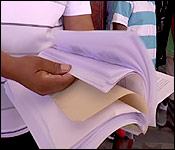
For the last few days, we have been keeping you updated on the push by the churches and their allies to trigger a national referendum on the full legalization of Marijuana in Belize. They have been diligently gathering signatures for their petition because they need at least 10% of the registered voters to comply with the Referendum Act.
The churches have presented strong moral and health arguments against legalization, but the Briceno Government says that a Belizean marijuana industry can provide a major economic boost in terms of export earnings and job creation.
Worldwide and especially in the US, the legal marijuana trade is emerging as a lucrative multi-billion dollar industry, with tax regulators reportedly hauling in billions of dollars in revenues.
Certainly, it is very attractive from a financial standpoint with a lot of leg-room for wealth generation by the entrepreneurs in this industry. It also has great potential for economic development for the governments that have boldly completed their legalization of the once stigmatized controlled drug.
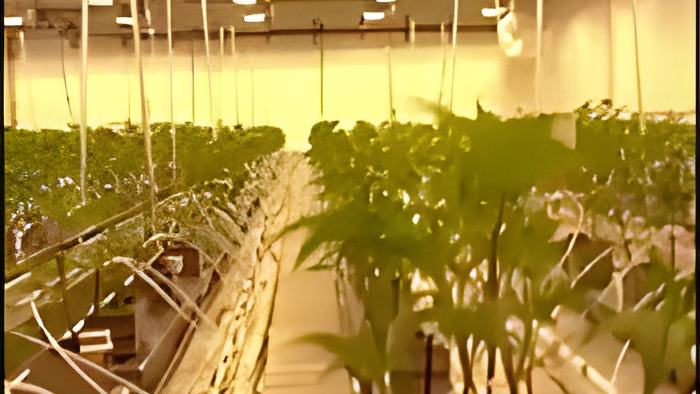
Belize is now on the verge of legalization. Apart from the increased freedom to smoke and possess the herb - if you have a valid cannabis program identification card- citizens will be allowed to pursue it as a legitimate business.
But how difficult is it to get in the legal weed game? Our Daniel Ortiz took a closer look today, and here's his story:
While there may be a lot of excitement that comes with pursuing this new frontier, future Ganja farmers and dispensary owners should consider carefully the uphill battle that has come with this worldwide push.
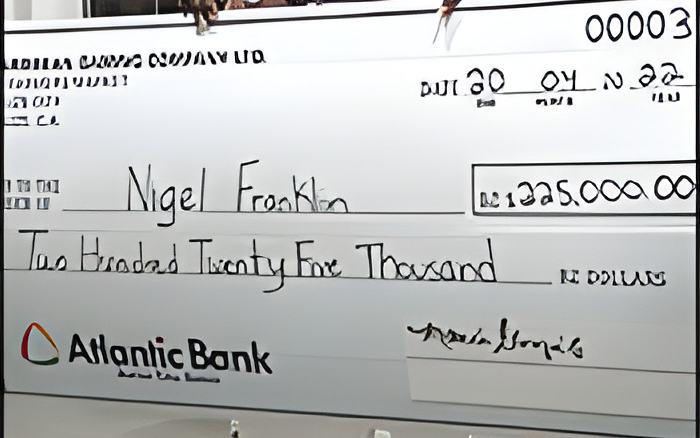
The biggest challenge is that if you're a participant in the industry, local banks will avoid your money altogether.
They cannot risk their correspondent banking relationships with their partner banks in the US. Marijuana is still illegal at the Federal level in America, and being associated with proceeds of this trade can attract sanctions.
Dean Barrow - Former Prime Minister
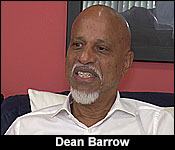
"You can't legalize at this juncture if you're thinking properly...You can have no market access, certainly to the United States, which would be the biggest market."
"Your legalization, because in the absence of federal legalization of marijuana in the U.S... As long as that remains the case in the US, our banking system will have nothing to do with the proceeds of this so-called marijuana industry."
Glen Ysaguirre - Former Governor, Central Bank of Belize
"Banks that are federal banks, or licensed by the federal authorities, cannot and will not bank marijuana-related businesses, because they may be subject to some adverse regulatory sanctions from the federal regulators. So, while banks local banks may want to participate, I could see that they have good justification to be hesitant because they may be subject to some de-risking by the existing correspondent banks. These large countries like the US and the EU, control the international banking system."
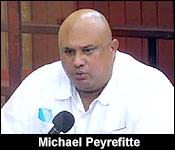
Michael Peyrefitte - UDP Senator/Former AG
"The government has to be careful that, while it may be doing the right thing, it might not be doing the thing right. So, you don't want pressures to be brought on our banks."
So, in the current investment climate, if you're a proprietor of any company connected to the marijuana trade, your financial transactions will remain unbanked. But what if you're a worker employed in any part of the marijuana industry?
Glen Ysaguirre
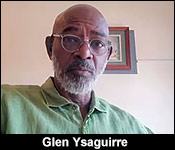
"The local commercial banks would be forced to start de-risking certain customers, individuals, or marijuana-related businesses. When you go into the bank to open an account, you are asked a series of questions. You need to fill out questionnaires as to the source of your income. If you will indicate to me that you want to borrow money, or you want to open an account, and you're employed by somebody that is operating in the marijuana industry, the bank will most likely say to you, 'I am sorry, but I am not able to offer you any banking services."
Former Prime Minister Barrow reasons that holders of the Cannabis Program Identification Card, the 2-year Weed ID for a citizen to legally possess marijuana, could also be risky since it identifies them as end-users of the herb.
Dean Barrow
"When he enters upon that register - because a register is kept of the licensees - that, as far as I am concerned, first of all, obliges him to pay for what he could have done for free under decriminalization. But, it also exposes him to sanctions by the banking system."
The former PM also thinks that the government itself might run into banking problems as it tries to tax the legalized industry.
Dean Barrow
"I don't know how the government will manage. They're taxing the industry. They're the ones in control of the nurseries. They're the ones that will sell the seedlings. I don't know that the bank, the commercial banks, will agree to accept in government accounts any money that can be sourced to the marijuana trade."
So, marijuana entrepreneurs won't be able to get access to funding from lending institutions. Their employees will also be in danger of ejection from the banking system. That logically drives up the cost of doing business in this marijuana trade, and it becomes a major economic barrier to entry into the industry. How does one manage over-head expenses, production costs, and their company's wage bill, without any financial support?
Dean Barrow
"Which small man has farmland or space on which to cultivate marijuana plants? So this is for the big boys, and the banks will not bank anybody involved in the trade in any way. I don't know how the big man will manage because what you're going to do with the money?"
Glen Ysaguirre
"This industry, if you're to regulate it the right way, will require serious capital investments. It's not just like any small farmer can jump up and start planting. And even the regulatory framework, who will be responsible for it? And how will they apply it will be something to consider, and whether or not the government is prepared to allocate resources to it? And how will the government collect its revenues, if it cannot process its revenues through the domestic banking system?"
So, for these reasons and others, Barrow thinks now is not the time to implement full legalization.
Dean Barrow
"Have the US legalize it, federally. Have more countries do the same. Arrive at a situation where the banks are going to be able to say, 'Well, our corresponding banks had to be federally licensed banks in the US, but they don't have a problem, so we won't have a problem.' Until you get there, it is foolhardy. It is downright stupid to proceed in the fashion that this government is moving."
But Kareem Musa, the Minister of New Growth Industries insists that his ministry is taking notes on all the challenges that other countries are facing in life after legalization. And of course, in the politics game, he had to clap back on Barrow's characterizations.
File: April 12, 2022
Hon. Kareem Musa - Minister of New Growth Industries
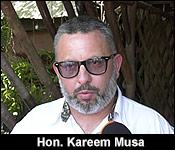
"You want me to stand here and you want me to listen to the advice of a prime minister who did not create a single new industry for this country in 13 years? In terms of this banking, when it comes to the cannabis business. It's done in Jamaica, they had similar issues as did we with offshore banking regulations and they had to comply and change their regulations and now they are fine with correspondent banking. They have seen zero negative impact from their legal medical cannabis industry in Jamaica. Likewise, we are a Caribbean country. I have been assured there would be no issue, but what we will have is a cash industry, like Jamaica, like America, like Canada - it's a cash industry until the federal United States government passes now its call the More banking act, so when that passes then you will see the banks in Belize start accepting hemp and cannabis dollars."
But, if the churches and their supporters get their way, the issue won't even get that far. They're banking on Belizeans crashing this push to legalization with a "No" vote in a national referendum.
Today, we have been making regular checks with the churches about their referendum petition. They told us yesterday that they were very close, but since then, there have been a few last-minute complications.
Via WhatsApp, Pastor Louis Wade told the press that the churches have had to scramble back to the streets to collect more signatures. That's because Belizeans who aren't registered voters have also signed on to the petition. Although they're providing moral support, their signature does not help in the overall goal of getting to the threshold of 18,700 registered voters to trigger the referendum.
Wade said, quote, "[Our]vetting showed those numbers were unregistered or the people did not reregister but they signed the petition. So we are 'shoring up numbers' using the elections (and) boundaries website." End quote.