
body,td,th { font-family: Arial; font-style: normal; font-weight: normal; }
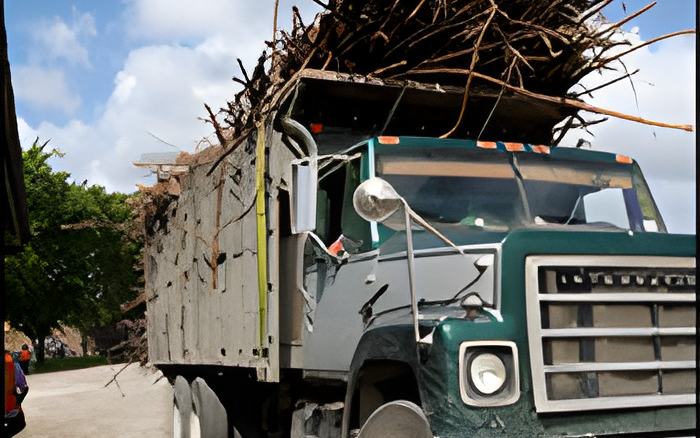
Today saw the end of the sugar cane crop season for BSI, and if you've been following along, you'll know it wasn't without its obstacles. All of the challenges faced by both the farmers and the company resulted in a major reduction of almost 30% when compared to last year. Today, BSI's country manager commented on the difficulties they've had and what they've learned this time around.
Mac McLachlan, Country Manager, BSI

"Very disappointing. Well, it's been strengths and weaknesses to this crop, but the actual amount of cane is very disappointing. It's going to be less than a million tonnes of cane now, you'll recall that in previous years, especially previous to 2019 drought, it was quite normal for us to receive over 1.2 million tonnes and sometimes over 1.3. I think the most to be milled here was 1.31 million tonnes."
"So 1 million really is a drop. And I think we're learning we're learning a number of things this year. One of them is when we have a serious drought like the one we had in 2019, that kills a lot of cane. And, you know, cane needs to be replanted. It's not going to grow again if it's dead. Then we had flooding in 2020, 2022, which has a similar impact."
"So you could say that climate change is having a major impact on this business. But equally, with every challenge, there's an opportunity. In this business we have around about 70,000 acres of cane land and we need to be more productive on that cane land in order to bring in more cane. On a more positive side, I think, you know, the investments we've made in the mill have demonstrated the mill's capability this year."
"We didn't have any any major issues in the mill. In fact, we were having to slow down for a lot of the time, too, to match cane supply coming in. So we could really have been through this crop a couple of weeks ago. But, you know, we all have to work together in this business to to make it a success for the future."
"I guess what I'm trying to say is it's time to look at what's happened this crop and to think about the kind of modernization this business needs. We're looking at probably about 104,000-105,000 tonnes of sugar now. Remember, there have been times we produced 150,000 tonnes of sugar here. So the problem from the mill perspective is this is a you know, this is a fixed asset."
"It costs a certain amount to to run it and to put came through it. If you don't have the cane volume, then you don't make the sugar and therefore, you know, you don't make any money. And we will be making business losses again this year. So this is a major concern for us. But equally, it's a concern for the farmers, too, because, of course, they would like to be getting the benefits of what are extremely decent cane prices at the moment that have been brought about through the investments we've made."
"But also because the global sugar price right now is very, very high. So this is not the time to have too little cane, let's put it that way."