
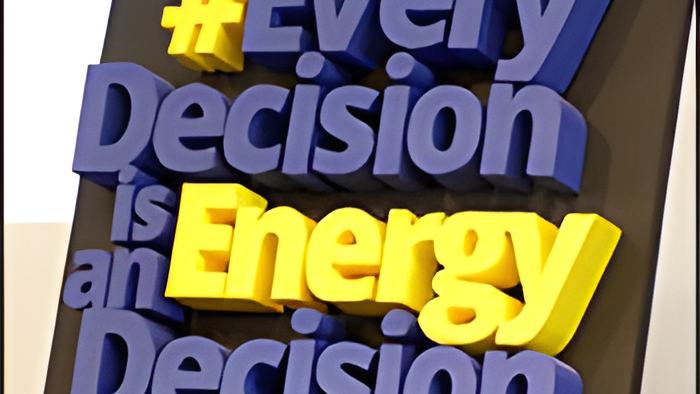
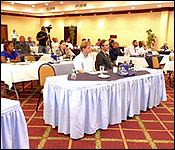
And in other news, today was the 3rd stakeholders meeting for the new National Energy Policy. It's a plan drafted by the Minister of Public Utilities to make energy more reliable and sustainable in Belize. And two of the main things the policy proposes are cheaper and more accessible electricity and mobility.
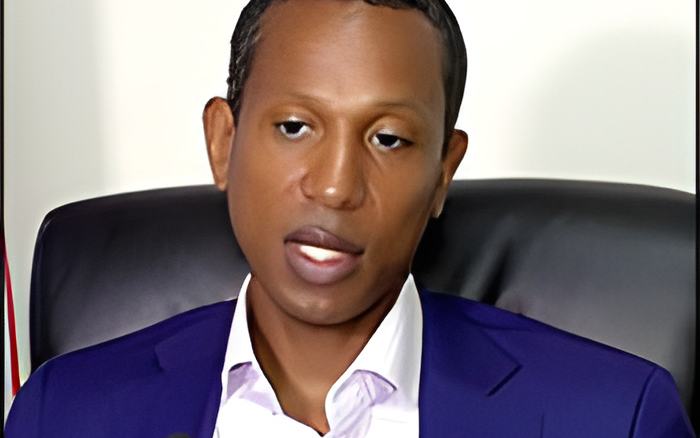
Today, we spoke to the CEO in the ministry, who told us more about what the policy has in store.
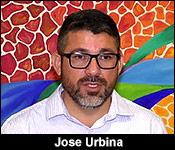
Jose Urbina, CEO, MUPUELE
"The national energy policy is the guide in terms of how we roll out and ensure that we have energy security in our country, energy affordability and identify those sectors of course that have the highest consumption as it relates to energy. We have been on discussion with the office of the prime minister, with the Ministry of Economic Development in terms of how do we improve the electricity resiliency within our country. BEL is of the view that the load is increasing and that's a fact. The population keeps growing, the economy keeps growing, so the demand for electricity is higher on the network.
We are working with the PUC also to see how we can accelerate the RFP process. We want to attract foreign investment in terms of the creation of additional energy sources and by that I mean solar plants and what was most recently announced by the office of the prime minister is really working with the Saudi government for the installation of a 60 megawatts solar plant in Belize. We have also been working very closely with the World Bank to look at a storage system that would complement the solar grid farm. So these are different things that we are looking at in terms of how do we stabilize and also future proof the load on the grid in terms of electricity generation for our country."
"The e-mobility aspect of it which in fact what the consultant stated as the highest consumption as it relates to energy and which really is affecting our pockets directly. It doesn't matter at which level you are. If you have a vehicle, a motorcycle, the consumption of fuel is what is really driving the cost of making business in Belize and as a government and as a ministry being led by the Honourable Michel Chebat, we are looking at diverse ways in terms of how we can directly impact the wallets of our citizens, or our residents in Belize and that is not to raise prices, but to ensure that there is cost savings implication in the wallets of every single Belizean of our country."
And the policy also prioritizes those remote areas that currently don't have access to electricity, as well as finding unique ways to generate it.
Jose Urbina, CEO, MUPUELE
"It is a priority and one of high importance for us. Energy access as we relate to it in the energy policy is something that we have very high in the list and as a matter of fact the ministry have been engaging in these rural areas especially the Mayan communal lands or the Maya communities to see where and how we can work very closely with them to provide them electricity generation. The most recent installation that was done is the village of Indian Creek. That really produces electricity for 3 villages in that area; Indian Creek, Medina Bank and Golden Stream. Of course, funded a hundred percent by the United Arab Emirates and we are very grateful to that government and its people for making that donation where the micro-grid was installed. It is a solar system that generates electricity for these 3 communities."
"Now, when we look at communities without electricity access, we have a total of approximately 23. We are working very closely with the EU also to electrify 5 additional villages; 2 in the North and an additional 3 in the South and we keep looking for funding and collaborations and partnerships with other stakeholders to see how can improve the other communities."
"The sugar industry has been generating electricity for national consumption for a while now. They used the bagasse in the their plants for the generation of electricity and of course for the generation of stem and electricity consumption within the factory itself."
"The most recent addition to the grid is Santander and I believe they are producing somewhere between 10-15 megawatts of power and selling that to the national grid."
Stakeholders such as BEL, Fortis, BWS, and several ministries attended the meeting.