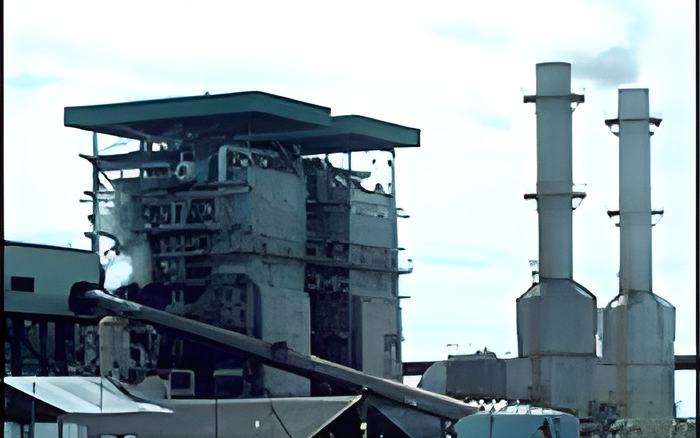


Now, if this commercial dispute seems really abstract to you - one direct effect of it that you can probably relate to very directly is this: if the mill doesn't start soon, ASR/BSI will run out of sugar to sell on the local market.
That's because they've had a bumper year of sales - but a fair percentage of those sales have been smuggled across the borders to Guatemala and Mexico where sugar is much more expensive.
That has drained the local market - and supplies in storage are about to flatline - leaving BSI with no option but to import more expensive sugar from the USA:
Shawn Chavarria, Director of Finance ASR/BSI
"We currently have a roughly ten days left of white sugar and that's we're looking to import white sugar from the US to give us some cover while the crop starts. We have enough brown at the moment, but as I said, we are taking that brown sugar from export markets and putting it on the domestic market so that we can continue to supply."
"But in terms of white sugar, we're very low. We're looking to import to give us cover for the first week of once a crop starts so that we can continue to supply the market."
"Well, the cost that we're currently estimating that will be the landed costs here. We've indicated to government that we will not be making any markup on not sugar. So we will sell it at costs."
"The cost that we're estimating after shipping to Belize will be our own $1.20. Belize, upon the distributors are the retailers will probably put a mark opened up anywhere between 20 to 25%. So I think anywhere between $1.40 and one $1.50 could end up being what the sugar is sold for on the shelf. But that should be very temporary until we get the crop running and we can start producing sugar from from Belize, from sugar cane here."
The currently controlled wholesale price for local sugar is 75 cents per pound for white sugar, 39 cents a pound for brown. Retailers then tack their margin onto that.