In other agricultural news, it's a tough time for cane farmers right now. Even with all the funds that have been earmarked for treating the fields affected by the Fusarium fungus, they have made minimal progress in neutralizing the problem, So where will this leave the industry for the next cane crop? Mai says it's not looking good.
Jose Abelardo Mai, Minister of Agriculture & Food Security

"We had an initial allocation from the Ministry of Agriculture's budget. Every year we have what we call support for small farmers and that component has $500,000 for fertilisers. But given the circumstances that the farmers are facing today and given the situation with the plants the physiological effects of the disease on the plants, and guided by technicians if we were to give out fertilisers it would be of no use when the fusarium disease affects the vascular bundles which is the ability of the plants to uptake fertilisers or to transport nutrients up and down the plant. So if we gave them fertiliser it would be of no use and would be thrown away because the roots and the plant won't absorb it. So the technicians guided us and said what we need to do is invest in controlling the disease. First there is fungicidal and fungistatic, fungicidal is killing the fungus and fungistatic is just neutralising the fungus."
"And so we hope to finish those treatments by the 22nd of August."
Reporter
"So what more is needed to prepare for next year's crop?"
Jose Abelardo Mai, Minister of Agriculture & Food Security
"More applications, we have 60K acres of sugarcane. We are doing 2k acres it is a drop in the bucket but at least it sets the basis for some understanding, for clear understanding that it can work if we invest. And again what does it cost you to produce sugar cane including this new cost and what is the price being paid? Right so if we are at $65-$70 cost of producing one ton of cane and you are being paid $60 you are negative already."
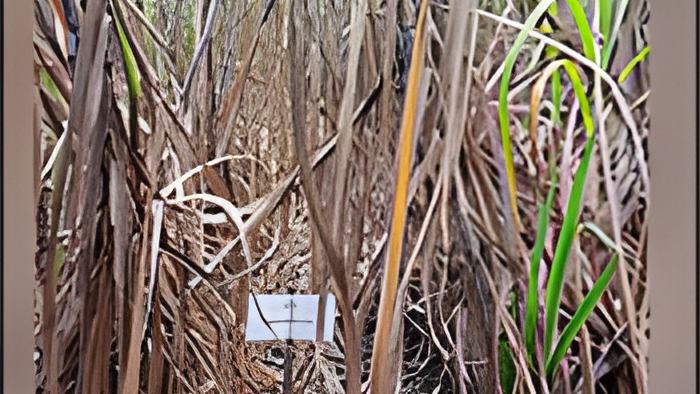
It's been a balancing act tackling 2 pests at a time. The farmers are also battling against the Mealybugs in the cane fields, and according to Mai things have gotten so drastic that eventually they resorted to destroying an entire field out of an abundance of caution:
Jose Abelardo Mai, Minister of Agriculture & Food Security
"We have had a history of froghopper it's endemic in sugar cane. We never had fusarium affecting sugar cane but we have it now. About ten years ago we started with stem bore and we have that now and now we have mealybugs I saw one field that was infested with mealybugs, I took photos of it and send it to SIRDI and SIRDI said yes minister we are monitoring that field, they destroyed the field and it is just one more pest to deal with. It sounds simple but it is an added cost and added cost at a time when the price of sugar is depressed so the farmers are not in the best position at this time I must say."