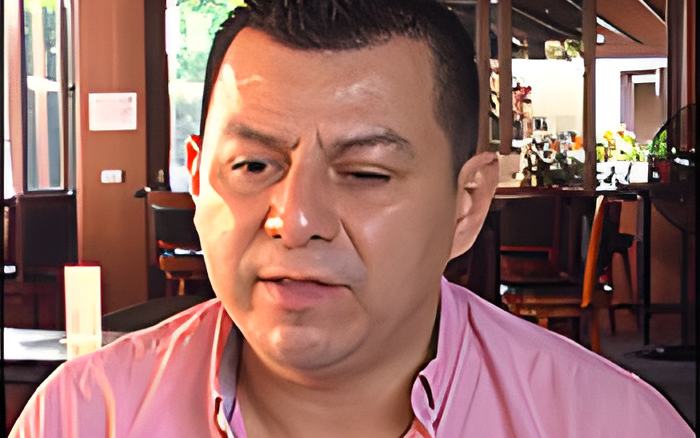
Tonight, after almost 7 years and 2 months in jail, Belizean Deon Bruce is a free man. He had been on remand at the Belize Central Prison while he awaited extradition to the United States.
Back in 2013, the US Government made an extradition request to the Belize Government. They wanted him to face trial for first-degree murder, attempted first-degree murder, aggravated battery with a firearm, aggravated discharge of a firearm, aggravated use of a weapon, unlawful use of a weapon, and possession of a weapon by a felon.
On July 28th, 2010, he allegedly got into some sort of disagreement with two American men in Chicago. Bruce allegedly pulled a firearm from the trunk of his vehicle and opened fire on the men, killing American Aaron Carter.
Deon Bruce attempted to resist the extradition request in the Magistrate's Court, but back in 2013, the then Chief Magistrate, Ann Marie Smith, ordered his extradition. He then made 2 attempts to get that order reversed: 1 by judicial review, and the other by habeas corpus proceedings. Both attempts failed once again.
In June of last year, he and his attorney, Sylvestre, brought an appeal of those cases to the Court of Appeal. Today, over a year later, they managed to convince the panel of Appeal Court judges to dismiss all extradition proceedings against him, and order his immediate release from prison.
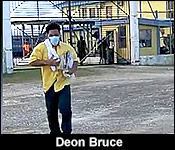
This evening, he was able to leave from the prison's Hattieville facility a free man, and - as this cell phone video shows - he ran over to the embrace of his family.
We spoke via telephone with his attorney about this successful appeal of an extradition request:
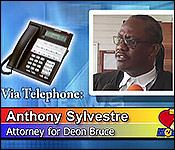
Anthony Sylvestre, Attorney for Deon Bruce
"Throughout this process what we set out to show and we were successful in the court of appeal after 7 years, to show that when his extradition proceedings took place in the magistrate court at the end of the proceedings the magistrate learned, examining magistrate did not specify what offences in fact actually Mr. Bruce ought to have been extradited for. This is quite significant and I'll explain why. In the context of a person charged with a number of offences in Belize, a person say charged with 5 offences and he goes on trial, the court has to show that he is culpable, guilty of the entire 5 offences. The court say that they find him guilty and unfortunately, that is what took place in the case of Mr. Bruce in his extradition proceedings. There were several offences his extradition was sought in respect of and each one of them the examining magistrate by law was required to examine them and say okay you are wanted for this offence, offence X and yes there is sufficient evidence or no there is not sufficient evidence and that's is something that is quiet significant and important. As a matter of ensuring that a person's constitutional right. Remember he is not accused of committing offences within the country of Belize, he had commit offences abroad. But for purposes - countries would generally allow for varuous citizens or persons resident in their country to be repatriated for another country if their requesting country can show that there is sufficient basis for their return to that requesting state and that is what was not achieve in his extradition proceedings and after so many years we've been able to have this matter finally come to an end and so the court of appeal today they ordered that his appeal, because the matter start in the magistrate court, it went to the supreme court and it finally now concluded in the court of appeal, so his appeal was granted and with immediate discharge from extradition proceedings that was also ordered with immediate release from Belize Central Prison and I suspect that Mr. Bruce has already left the prison and he is probably on his way at home with his family."
Bruce had been in prison since July of 2013. The recently released Mark Sewell - who also fought off extradition - served about 10 years before he was freed.