
There's a major development in policing public policy tonight. If you are one of the unlucky who have been stopped by police to be profiled, the next time you are stopped by police, they won't be allowed to profile you.
For years, persons that cops deem "suspicious" for any old reason - including "walking while black" - have been stopped and their photograph taken, and particulars recorded.
When the UDP was in Belmopan, multiple ministers said it was illegal - yet the practice persisted - because the police consider it an invaluable intelligence gathering tool - even if it does invade the privacy of citizens and impinge on their freedom of movement. Well, now the Police Department has had to do an about turn because of pending legal action.
7News has obtained an internal police memo which has put profiling on pause. Courtney Menzies has the story.
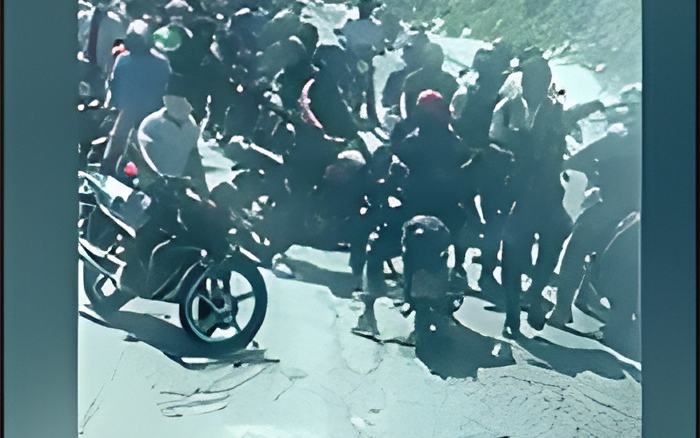
Police stop and searches: they happen frequently and mostly target black men. Usually this is the scene that we see, but here's what they see.
Pictures of the men are along with their personal particulars are entered into a police blog which is a WhatsApp group chat. These men are profiled, most times without even committing a crime. And if they refuse, they are punished, as in the case of the now deceased Gasman Young who was beaten for refusing to get his picture taken.
Gasman Young - Claims Police Brutality "This officer tell me that I'm obligated to go to the station so that they could take my picture, he walked directly into me and punch me right in my face."
Abuse that leads to other abuses, and now there are multiple constitutional challenges at court questioning the legality of this practice of profiling. And now, to avoid any further legal issues, the police department is finally putting a stop to profiling, effective immediately.
This internal memo from the Commissioner of Police instructs officers that they must cease and desist taking photographs or videos of person and other identification documents in situations where that person was not detained or charged. This include at checkpoints and during searches when nothing incriminating is found.
Officers are still allowed to take pictures and videos of evidence found during these searches, though, and of persons who commit a ticket able offense under the Public Health Regulations. They can also write down information from a person's ID cards.
For a while, senior officials in the department were butting heads on whether this practice was permissible, and Minister of Home Affairs gave a voice to the tension a month ago on UnCut.
Hon. Kareem Musa - Minister of Home Affairs and New Growth Industries "People are challenging the constitutionality of stop and search and profile. This unfortunate young man the other day was profiled on the police blog, they took his picture unlawfully, one of the gentlemen in the control room, they took his picture unlawfully. Will you accept that this practice is unconstitutional and invasion of privacy and has to be stopped knowing that there are multiple constitutional cases in the court both in Belize and in the region as well about this. I am a huge human right advocate and you're putting me in a very precarious position. Myself and my CEO also subscribed to the human right angle of that and so can I reserve my comment because it's pending before the courts. But based on my answer you know what I feel but let us leave it at that. Let us wait for the outcome in court."
But whatever that outcome is, this age-old practice that has long invaded the privacy and rights of men who, most of the time, are simply walking along the street has now come to an end.
As we understand it, the new directive is to take effect immediately.