August 1st, 1838 marked the end of slavery and the apprenticeship system for the enslaved persons in Belize. In recognition of its significance The National Celebrations Commission has organized a number of events and cultural attractions that will take place from the Eve of Emancipation to the day of. Here's what that will look like. Jomarie Lanza has this report.
Emancipation Day activities in the city will take the celebration to the cradle of survival in the city - Eboe Town.
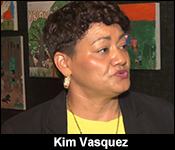
Kim Vasquez, Director, ICA:
"You're talking about an area that was literally one of the oldest communities or one of the oldest areas for the enslaved people in the city and for us to reclaim that now literally at the foot of Isaiah Morter Statue to have a festival that celebrates the resilience to celebrate everything that was suppressed that did not in fact die is really significant and it really I think something that we really need to reflect on more. And so for us that is then context for it that it has a deep cultural and historic significance for us and to bring together the different cultures the different Afro Belizean cultures and to really celebrate a community first of all as I said history, education, art, culture, music, food, all o those components coming together under the heading of Eboe Town festival."
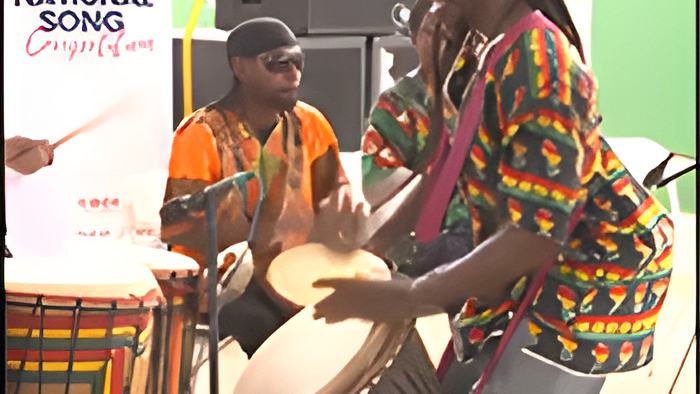
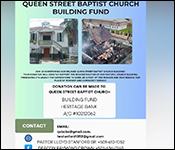
The pre-celebrations of Emancipation Day will begin at Queen Street Baptist Church with a special service that will lead right into a night of drumming. Vasquez notes that although there is no longer a physical church setting, the spirit of the church that once was is still very much alive.
Kim Vasquez, Director, ICA:
"And everybody always looks forward to after midnight of course to the drumming in the churchyard and the Cow foot soup, and this year that cow foot soup is actually a fundraiser so everyone is encouraged to come out and support The Queen Street Baptist Church in their rebuild efforts and then in the morning of course bright and early we are over here at the house of culture for the official ceremony marking emancipation day and we are very again pleased to be able to work closely with the National Celebrations commission to have NICH have a hand with our cultural partners in bringing together everybody to put off the ceremony as well. After the ceremony concludes, it concludes with a traditional communal breakfast after we eat our powder bun and Johnny cake we get ready to celebrate and we move over to Isaiah Morter Square and a portion of Yarbrough Road for Eboe Town Festival."
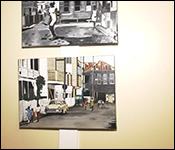
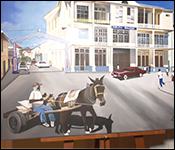
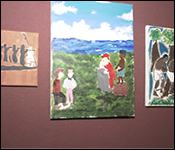
One of those artists whose work will be on display at the exhibition for emancipation is Orin Michael, also known as King Khan. His historically inspired paintings denote striking detail. One that stands out is a painting of the Paslow Building which burnt down.
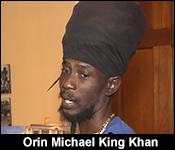
Orin Michael King Khan, Artist:
"I venture into art work thinking about the commodities of life and one of the most precious commodities in life is time and so I go in time with my paintings as you can see some of them are from the past."
"One of the most precious commodities is time and when I look at the Paslow building it brings us back to a historical time one of the times I think has been lost but it is as present as it is in the past."
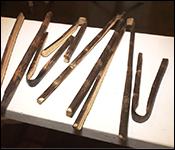
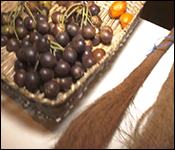
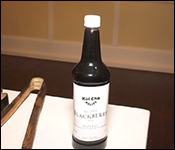
And once you've taken in the art at the exhibit, the festival has brought something new to the table with a section they call "Culture Lane" it's an attraction meant to engage the public to connect and interact with all the cultural items and artefacts on display, especially the ones you don't see around as regularly as one time.
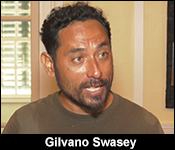
Gilvano Swasey, Curator, Artist:
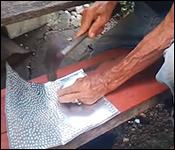
"Culture is an active thing so we want to show the process. We were working on a project called handmade and it was more about utensils around the house and we found that many of the utensils we made are things we would used for making food for example you have the grater and we would show how you go from this flat tin to hammering so many holes with a hammer and nail to making an actual household item today many things we buy are all mass produced so everybody has the same thing or they break at the same time. Our thing is made out of real wood and real metal traditionally it would be a klim pan or a milo pan that you can cut and flatten out but some of these things now come in plastic, cardboard and so forth they are not packaged the same way but it is the same technique so we have the creole grater, one lots of people don't know they call the coolie grater, East Indian Grater right the word is kind of tricky but this is an old machete and you can bed the old machete and cut the edge and this you can crack a coconut in half which we will demonstrate out there you have to sit on it and grate the coconut."
"Fly brush, this is from the Cohune stalk, we have a couple but there is not a lot because Cohune season is out right."
"One of my favourite is Kiss Kiss, Kiss Kiss is from the Pocono Bwai Tree or the Cocono bwai tree depending from what area you come from and its famous from the battle of St George's Caye where they say they beat the Spanish with poke and dough boy stick right, we have the traditional one's used to catch crab and I guess it's called kiss kiss because the two lips come together and you catch crab or when your aunty or granny did Johnny Cake and you have a home made one, fire at the bottom half a drum and your Johnny cake or creole bread, another slice of zinc and fire at the top and you need to move that off to check or make sure it's not burning right but I use it for barbecue to shuffle the coal and shorter one is kind of like a chopstick but for anybody this one can be used anyway."
Tomorrow, we'll look at some of the historical documents surrounding slavery and emancipation in Belize.