
Every primary school graduate knows the feeling of overwhelming anxiety when studying and then taking the PSE. There's a lot of pressure put on exams like that one and the Ministry of Education is working to rid schools of them. Since the pandemic started, students were exempt from BJAT and PSE since there was no in-class learning. But even after we emerge from this COVID crisis, the education system won't be the same.
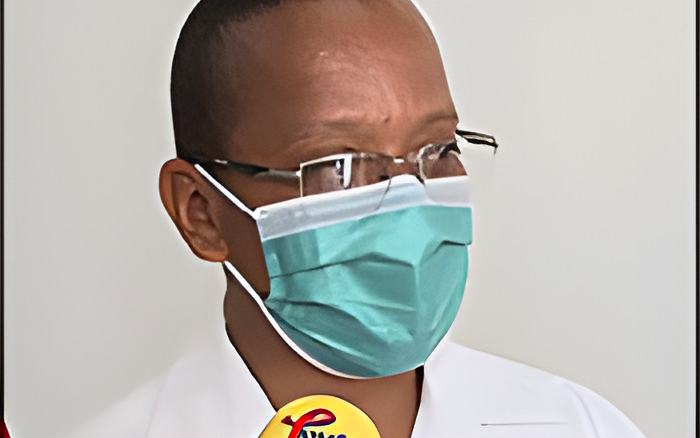
Today, via Zoom, the minister of state, Dr Luis Zabaneh, explained that the ministry is moving towards a new type of learning that doesn't put pressure on students to take standardized exams - and where PSE will be no more.
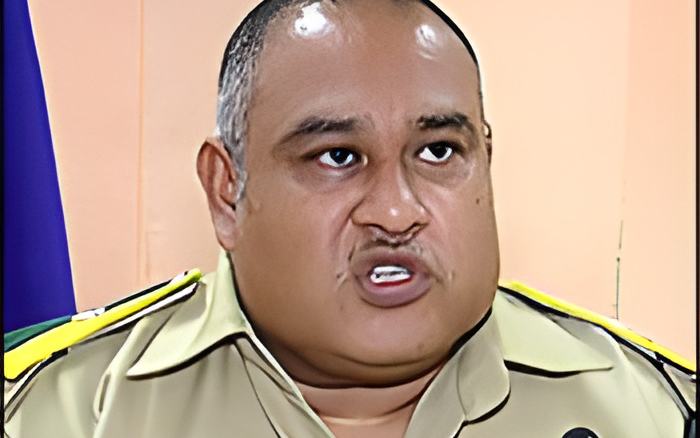
Hon. Dr. Louis Zabaneh, Minister of State, Ministry of Education
"Testing is very important to get a gauge of how students are doing academically. There are however a number of other methods that are already in place, diagnostic tests that the ministry and the schools have available to be able to assess how students are doing. And so, given the challenges we've had with the pandemic, already the challenges with even getting students to be altogether in one confine space. There are of course safety concerns to have everybody together in such proximity. Other types of tests could be done even online partially and then face-to-face partially. So, we don't find that the way we have been using PSE for example, or even CXC has really yielded the results we want. In fact, they might have given us the opposite effect of what we wanted and this is something called teaching to the test. Meaning that we focus so much on one particular test at a certain educational level and we neglect many of the other things that are important to the holistic development of our children."
"What has occurred by us focusing so much on these exams is that the students and the school focus on becoming the best test takers that you can be. But when you enter the workforce is no place that you go to work that will be requiring of you to be taking tests. You have to be now dealing with those particular things that the place of work that you go require you to do and many other aspects of development have come to bare when you are going to be successful in the workplace."
"We have not been utilizing these exams for the purposes they were created. They have gone way beyond the main benefits that these exams are supposed to be rendering to us, so yes, the day to day testing in a limited way all those types of testing will continue as normal, so that a student will need to get a certain grade in school so that they know if they are passing etc.,. but we are not going to be using any standardizing tests as the sole focus of our education system. Because that is counterproductive."
But what about regional exams? He explained that those who want to study in the Caribbean must take the CXC's and CAPE but it won't be a priority for those studying locally.
Hon. Dr. Louis Zabaneh, Minister of State, Ministry of Education
"So I think in the case of CXC where it is necessary like you correctly said to transition to other schools, then it should serve that purpose. But we cannot have all of our high schools just setting out their activities for the day gearing up everything so that when students are in 4th form for example, they are all cramming for these exams. We have I think put in place for our first incentive of linking the number of CXC passes with scholarships. We need to change that so that we will now be able to look at the number of CXCs that they are taking really just for that purpose of assessing their academics, but complement that with other very important means of assessing a student, other qualitative ways of finding out how much volunteerism you are involved in - how much community volunteering they are doing. How well they work as a team etc. So those are going to be the new ways that we will assess how a student is doing along with some of the traditional ways that we've been using."