
For years, there has been much public lament about the court cases lost due to prosecutorial ineptitude - mainly from police prosecutors.
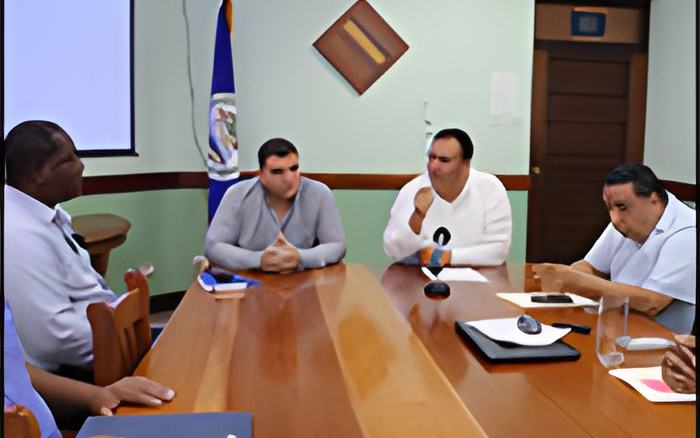
Well, they've been getting training and tonight they are better equipped to advocate on behalf of the crown in criminal cases. That's after the conclusion of 3 days of training in criminal procedure and prosector advocacy that concluded this afternoon at the Radisson Fort George.
It saw Attorney Darrel Bradley and Crown Counsel and Head of Prosecution Alifa Elrington teach the prosecutors techniques for presenting evidence and also provide them with alternate perspectives through which to view that evidence.
And when we spoke to Elrington during their lunch break she told us that what these prosecutors needed was some extra confidence. She hopes to have provided them with the adequate tools to deliver justice in Belize's magistrate's court.
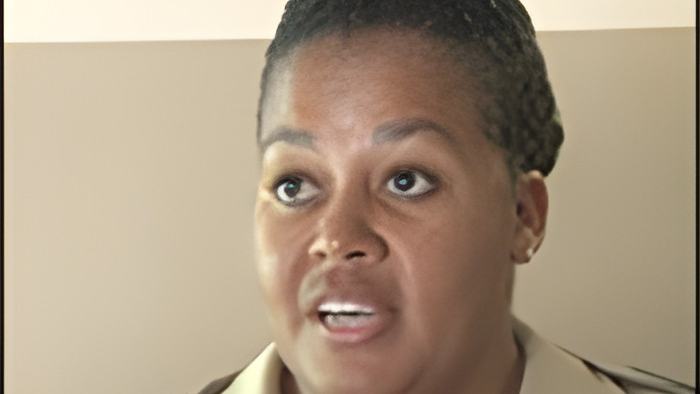
PC Sherry Gongora, Court Orderly
"Orderly gets a first-hand at every single course in the court daily. I think with this training here too I am hoping that whatever I grasp here today with what I already know that I can go and you know instill what I know to others. This is a great opportunity for me right now. I am very very happy, and I feel fortunate to be here."

Alifa Elrington, Head of National Prosecution Branch
"Well, I might be biased to my staff but I think that my staff particularly over the last three years, they are able to stand against an OJ Elrington, stand against a Dickie Bradley, and stand against an Ellis Arnold. I have said to them since I have been here if you know your case a Dickie Bradley, an Ellis Arnold, an OJ Elrington can't come and poke holes in your case because as a good prosecutor having looked at your case, you would have already identified the holes that a defense attorney could come and poke or come and try to dismantle your case. So, what I say to them is it's not, achieving justice for me is not necessarily a conviction. It is getting to the point where the court says to the defendant you have a case to answer explain to me why, after what the prosecutor has presented, I shouldn't convict you of the offence. So, once the prosecutor reaches the point where he has met his evidential burden and established for the court that this person is the person that committed this offence then the magistrate says well now you need to tell me why. You did not commit this offence; my staff has done their duty. They have brought justice because they have laid the case together."
Sgt. Roman Andrews, Prosecutor
"Being a prosecutor is always a learning experience, we never know everything. Training always helps there are some things that we believe we are doing right and only by us training constantly we understand what is the practicable and right thing to do and sometimes we get assistance from others to clarify doubt or to help us in situations where we might otherwise make mistakes."
Reporter
"Anything about this training about dealing with the media, and maybe more high-profile cases?"
Sgt. Roman Andrews, Prosecutor
"Not necessarily, we are not discussing dealing with the media but as police officers we must always be professional and assemble as we can, of course, we take the oath of secrecy. So, we must be mindful of that too whenever we give information and make sure that it is clear before we can divulge such information."
The first part of the training took place last year in Placencia village.