Last night, we showed you the diverging conclusions between the Ministry of Education, and the Belize National Teachers Union.
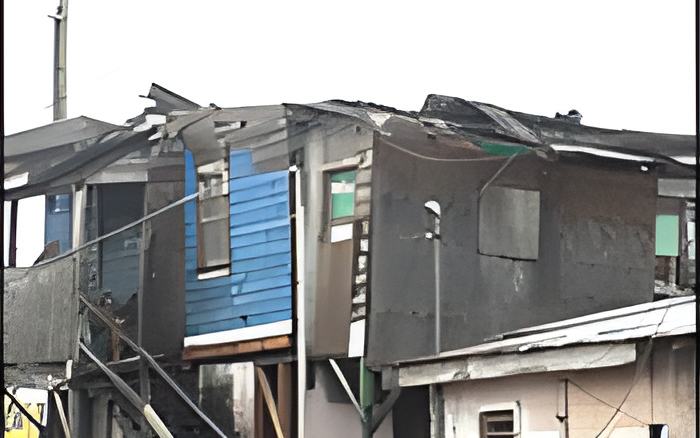
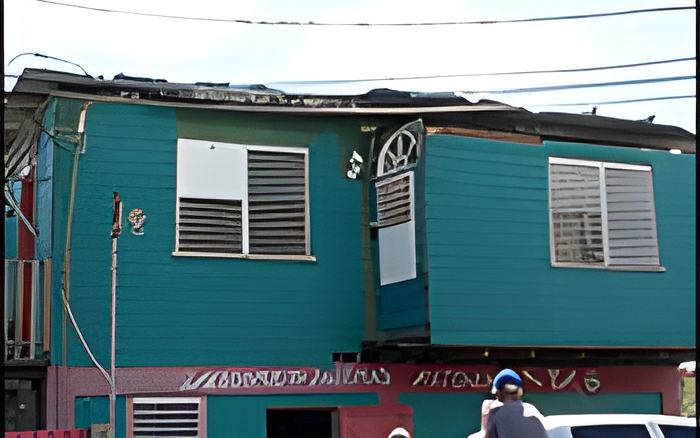
As we reported, the Ministry pushed for the resumption of regular classes yesterday, only five days after Hurricane Lisa devastated the Belize District. But, teachers have a fundamental problem with the rush to get back to classes as usual when some of the schools are still in a mess from the storm surge that came with the Hurricane. Additionally, the storm devastated some of the teachers, their families, students, and their loved ones, which damaged many roofs in the Belize City area.
Well, while the Belize District teachers and the Education Ministry disagree on that score, they can find a common cause in the mental health of the students who, had to be in a heightened state of stress and worry about the dangers of the storm's landfall in Belize. As a result, both sides anticipate that the school children from devastated families and properties will not be in the proper state of mind for learning.
In the two diverging press releases from the Ministry of Education and the BNTU, both sides agreed that "trauma and counseling services" must be made available to students. Yesterday, our news team asked about the psychological support being made available to the students of Anglican Cathedral College, Wesley College, and Trinity Methodist School. Here's what the principals had to say:
Nelson Longsworth - Principal, Anglican Cathedral College
"We have our counselor here, who has been working closely with our students. And, of course, if we do need to access other support from the Ministry of Human Development, we have close links and work well with them. So, we're expecting to kick that in if needed. So, we're aware of that because we're big with psycho-social development."

Marvin Kellyman - Academic Vice-Principal, Wesley High School
"We'll be soliciting donations in terms of food items, footwear, and clothing. Also, we know that some of our students will need counseling. So, we have the counselor here at school, and we will be doing a survey when the students return to see how many of them lost everything or the condition of their losses and the state of their loss. And so, what we will do then is have a meeting with those students and their parents. From there, we'll chart the way forward and how we can assist in any way possible. I believe, as a school, we have the responsibility to do that as well."
Jamael Campbell - Principal, Trinity Methodist School
"As a school, we know that our students suffer silently and differently from adults. I told them - we had a service this morning, a thanksgiving service. And I told them during the hurricane. Even I was scared. I live in a low bungalow house, and that house shook with the wind. So, I know they had their own. And, of course, we had students coming forward and sharing with us their difficulty, and I think that process itself helped them to realize, wait, we all suffered in our own way. Just talking about it - in fact, right now, we have them drawing and writing poems about their experiences, all in hopes that they will understand each other and that we all experienced this difficult natural disaster."

This morning, the Ministry of Health and Wellness sent out a health advisory on Hurricane Lisa, saying, quote, "Stress, anxiety, and other depression-like symptoms are common reactions after a disaster. Many survivors of severe storms experience emotional and physical symptoms such as headaches, muscle tension, insomnia, and nausea for days or even weeks afterward. These emotions and reactions are normal and natural responses to a stressful event. For most people, these reactions are temporary and generally do not become chronic problems...
Children, adolescents, and older adults are of special concern in the aftermath of disasters. However, most children and teenagers are resilient and will return to normal functioning following a natural disaster. End quote.