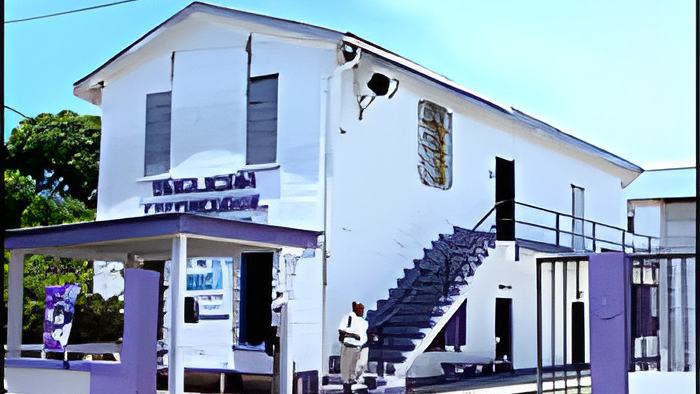
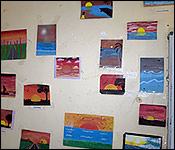
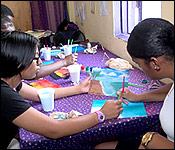
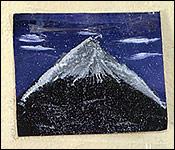
The classroom was an art exhibition space for the third form class at the Anglican Cathedral College today.
As part of the competency based learning curriculum, they thought the best way to get feedback on their semester's work was by opening it up to the other students and invited guests. Jomarie Lanza attended the exhibition today and here's what she saw.
Instead of your traditional end of year exam, for these students enrolled in the visual arts course at the Anglican cathedral College, they were tasked to put together a mini art exhibition, consisting of all the pieces they created during the course. It gives the students an opportunity to receive feedback from not only their peers but other invited guests who stopped in to see their display, and even some live paintings going on.
Talia Brown, Visual Arts Student 3rd form
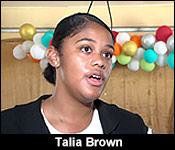
"So basically we have a final project for our competency based learning. Normally at high school they do final exams, but instead they took a different approach to our final project. Our visual arts classes are very hands-on and we produce a lot of work so our teacher came up with the idea for us to produce Our own art exhibition so that we can show the public and everyone else how we I don't want to say transform but transformed overtime. so we have some pieces like our 3-D models there that we started and then we went onto different things we learned with different competences."
David Anderson, Vistula Art Teacher, ACC

"So I initially came up with the idea to give persons from outside somewhat of an independent view of what gets done in the visual art course. The visual art course for students if you are musing here you can see the variety of the use of the elements and principles of art and design and these students have masterfully absorbed all those skills and talents. A matter of fact we look at having students obtain key competencies and this all came out of the governments push towards curriculum reform. So we have totally adapted that competency based learning at ACC moving away from pushing paper based work so we are looking at having students obtain the skills, the knowledge and the attitudes that are needed in the 21st century to progress out there in the real world."
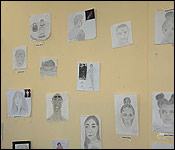
The art work ranged from landscapes to fine pencil portraits, but there was mostly a large concentration of acrylic paintings.
Talia Brown, Visual Arts Student 3rd form
"It was just for us to just show everyone how we express ourselves through art. For me personally, I enjoyed my paintings. I did a lot of Seascape paintings that were done in class and the paintings were all nighttime themed. I can show you guys if you want afterwards. I also did some portraits as well with facial features and other stuff, different textures, different shades, and stuff like that."
Each piece has a style of its own and the contrast is notable when they are lined up side by side on the wall. Though perfecting a particular technique in painting or drawing seems to be the real challenge, the teacher is tasked with grading each work individually regardless of how complex defining art as art may seem
Jo-
"So how exactly do you grade something like art if it has such an in depth interpretation behind it?"
David Anderson, Vistula Art Teacher, ACC
"It's easy because with everything you need to have a foundation you need to have a set format and the rubric we use it visual art it is indicative of the visual elements and principles of art and design that I explained to you just now so for example we have three different categories that we grade by. You have CR which stands for craft man ship. DC design and composition and then you have O for originality so when we look at all these pieces the CR crafts man ship refers to the students use of the elements and principles of design. For example lines shape and color and different things like that and so as long as those students sure that these things have been masterfully used in their piece of work, then they would get the maximum mark which is 30 out of 30 for CR alone. Then you have designer composition that deals with mainly the principal that refers to balance and different things like that. That carries a weight of 20. And then you have the O for originality if it is not a reproduction, reproduction, meaning that it is copy from something else if it's an original piece authentically original then that is given a maximum weight of 10. So in all the total is 60 out of 60."