And according to Dr. Young, this time around, world leaders have stronger motivations to meaningfully address climate change. That's because their citizens have recently been exposed to similar climate-related dangers that the small island developing states, and countries inside the hurricane belt have been forced to adapt to.
Here's how he explained why the climate change phenomenon has become a very real problem in other parts of the world:
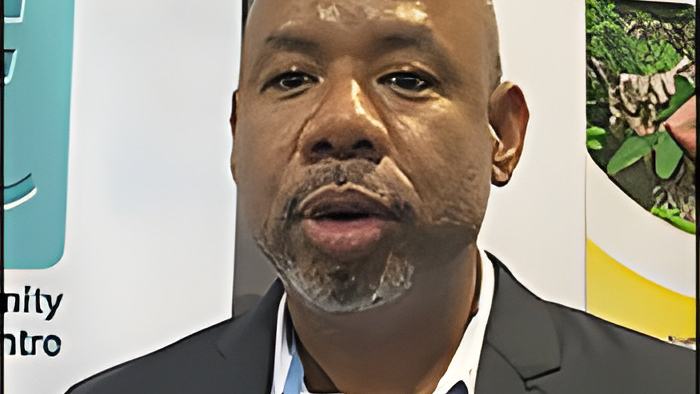
Dr. Colin Young - Executive Director, Caribbean Community Climate Change Centre
"The difference this time, in my view, is that we've never had the type of science, the clarity that came out of that 6th Assessment Report that the IPCC did, that says, look, the temperature is warming faster than we thought. We have about 9 years more before we'll get to 1.5 [ degrees]. 1.5, we don't even want to get 1.5 because 1.5 is disastrous. 1.5 means that 70 to 90% of Belize's Coral Reef will die. Think of the impact that's gonna have on the reef, on fisherfolk, on livelihoods, on tourism, and that's just Belize. What about all the other Caribbean islands that have fringe reefs? The number of hurricanes in categories 4 and 5 will increase. Droughts will increase. Floods will increase."
"Before, you had countries that were posturing and saying, it's is not as bad as you said it was. So, that is one thing that is coming clearly. 2, there's a lot of pressure from world leaders from their own citizens, youths, and women, and protests happening all over the world, pushing for their leaders for them to act."
"We see the global forest fires in Greece, the floods in Germany. We see what's happening in the US in California, in Oregon. It is starting to impact them domestically. And then, of course, a big one, for like the United States, the second-largest greenhouse gas emitter, next to China. Historically, the US is still the largest. It is now a national security issue because when people have to flee their homes before they can't feed themselves, because of droughts, or because of disaster, those people are going to become climate refugees. They're going to end up someplace. So, this is happening in Africa. It is happening in the Pacific. It's happening in the Americas, in the Caribbean, and very soon, those climate refugees are going to be knocking on somebody's doors."