But, how good will these conservation efforts be for Belize's indigenous populations?
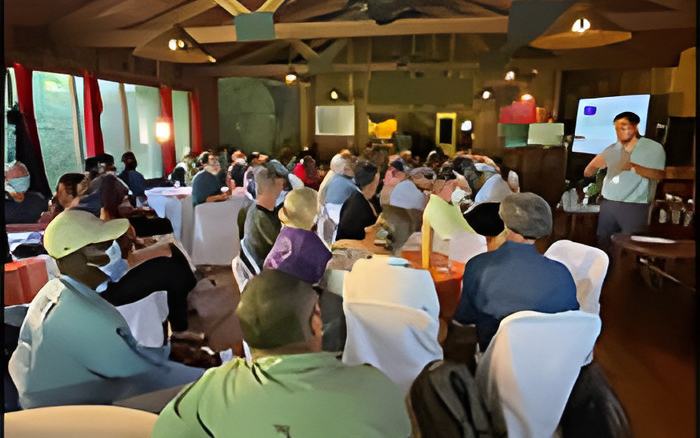
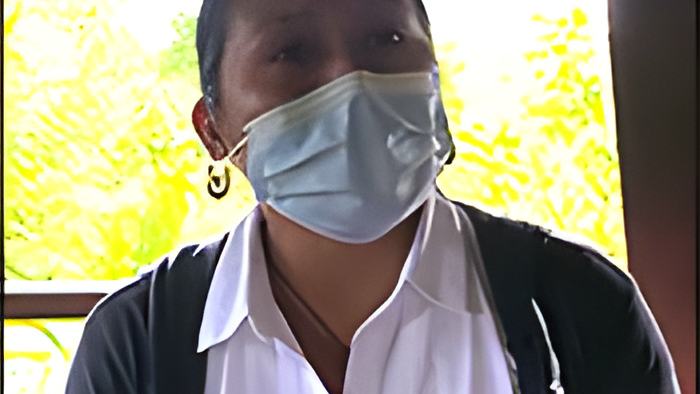
That's a question we put to MLA and TAA spokesperson Cristina Coc. She gave a stirring presentation to Symposium participants on the relationship between the Maya and their communal lands. Her presentation was especially notable because she discussed how her people went back to the land during the pandemic rather than having to line up for any pantry programs.
Coc says that rather than consider indigenous populations agents of slash and burn destruction, NGOs should realize that they are in fact their natural allies who share many of the same conservation and stewardship goals. Here's how she explains how the vital partnership should work.
Cristina Coc
"The symposium has been a real opportunity to really connect with the sort of the brain of Belize where it concerns conservation and biodiversity conservation. What I attempt to do here and my involvement here is really to raise the awareness around the importance to connecting indigenous peoples rights and land tenure stewardship to biodiversity conservation. I think its a critical discussion that we have to have particularly now that Maya people in the south are land owners."
Reporter
"What are some of the misconceptions you feel NGO's may have about what their people want comes into conflict with their purposes and their projects?"
Cristina Coc
"I think a lot of times we competing for the same forest. Maya and indigenous people globally are forest dependent people. They are people in nature. They live, depend on nature for their survival, for their livelihoods and for their identity. Today I spoke about what it means to be someone who identifies in a umbilical relationship with this land that provides our identity and so I think that what conservationist always see as a conflict is that we're in the way, we're against conservation in the traditional sense. But we are not, we should be natural allies, we should be connecting with each other, we should be promoting these livelihood practices of indigenous people that promote forest protections for a stewardship. I think another thing that comes in conflict is that in Belize we are so accustomed to going to the state to acquire lands to turn into protected areas or we are so accustomed to buying private protected areas and one of the biggest conflicts that's currently on the table is the conflicts with 3rd party interests including private protected areas, including national protected areas that are now find themselves in competing interest with customary held lands by Maya people and so we have to identify where our common agenda is, we have to sit and have meaningful conversations and dialogue about that and we have to see the indigenous land owners as partners that we can forge agreements and partnerships that to the same end, a common end and that is really the stewardship of our forest. The Maya people have the same interest, the same dreams, we didn't fight for the recognition of our land so we can destroy it, we fought for the recognition of our rights to our land so that we can continue our land tenure ship which is based on a very special and unique stewardship of the lands that we live on."
The Belize 2022: Conservation Symposium continues tomorrow, and we'll have more extensive coverage of the three-day program tomorrow.