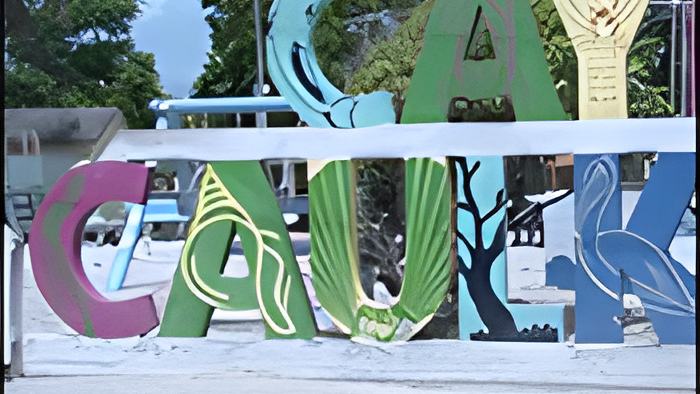
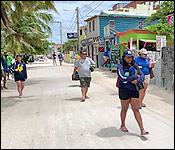
This weekend's weather forecast called for rain, rain, and more rain, but that didn't stop BTB's annual familiarization trip for the local media. It was put on a pandemic pause for the past two years, but with regulations gone, BTB and the media boarded a boat headed straight for La Isla Carinosa.
The purpose of the trip is two fold - one, to get the members of the media out of their everyday routine of endlessly chasing down stories, and two, to speed things up during the tourism slow season by showing Belizeans what the country has to offer.
This time around, the local media swam with the fishes, visited the Blue Hole, and fed the tarpons. Courtney Menzies braved the storm to bring you this report from Caye Caulker for the three day trip and has this story.
Welcome to Caye Caulker. Is that good? Okay, here we go. [strums guitar]
Seleny Villanueva Post, Chairlady, Caye Caulker

"Caye Caulker is the go to destination. After COVID, or during COVID, I should say, we got a lot of press because we're so heavily dependent on the tourism, a lot of press was focused on Caye Caulker."
"It worked well in our favor, we're very grateful for that. We're the next talked about destination in Belize so we're grateful that it worked out positively and in our favor. We're one of the most sought after destinations in Belize now."
Snorkeling with the sea life, cruising on a catamaran as the sun sets, braving the Blue Hole on rough waters - Caye Caulker satisfies an adventure addiction, making it the ideal spot for this year's BTB press trip.
The first stop was a must for any traveler - local or foreign. After opening in 2019, Wanderlust Sailing and Snorkeling survived the pandemic and took us deep within the Belize Barrier Reef, followed by a cruise with music, food, and the setting sun as the back drop.
Joel Coh, Owner, Wanderlust Sailing and Snorkeling
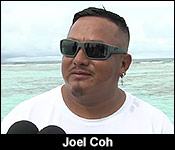
"It's been a struggle, to say the least. It's been a struggle but we happen to recover. And we knew tourism was going to come back, I kept the faith, so we're here, it's been a good ride."
"We're inside the Caye Caulker Marine Reserve, if you guys take a look at the background, we have the Barrier Reef, one of the sites we're doing, which is the Caye Caulker Channel. So it's a guided tour, we have guides get in the water and give different kinds of coral information, fishes. We do Shark Ray Alley as one of the stops, there's two Shark Ray Alleys, Caye Caulker has one, Hol Chan has one. And then the last stop we do is Coral Gardens and from here we're gonna go behind the island to sail, where we offer a variety of alcoholic drinks. Also we're going to be preparing some fresh shrimp ceviche and let's see how the sun comes down."
And when the sun rose the next day, the press, along with the BTB reps, boarded a boat and headed towards the Blue Hole, under a grey sky, and dark seas. The waves outside the reef rocked the boat for the more-than-two-hour long trip, while rain fell in sheets, and lightning streaked across the sky.
But the Blue Hole - a site beloved by tourists - was majestic even under the storm. And following that, the team visited Half Moon Caye, where we sat down with the site manager who explained the importance of limiting footsteps to the sites.
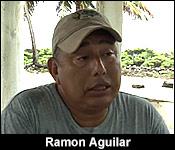
Ramon Aguilar, Site Manager, The Blue Hole & Half Moon Caye Natural Monuments
"As you know, Half Moon Caye is a natural monument, it is a World Heritage Site, they have one of the most famous dive site within the country of Belize, the Half Moon Caye Dive Wall. So that alone, aside from The Blue Hole, do attract tourism everyday, on a daily basis so it is very significant when it comes to tourism attraction, and if you're a diver, it is also know for the red footed booby birds which, this is the only island you'll find those birds within the Caribbean."
"In regards to the tourism population, it does affect, depends on the amount of tourist we get for the day, so we try to minimize it for the area where they come to with the amount of footsteps that we have on the atoll. When it comes to the diving part, we as rangers, we try our best to be out there while they're diving to ensure that they aren't endangering any marine product, they're not endangering the corals, for example, standing and touching the corals is one of the main problems so we as rangers try to minimize those types of effects when it comes to the atoll and the island."
And while the first two days required boats and gear, the third day of the trip featured an attraction that anyone can enjoy right from the island. Tarpon Feeding is a popular and quick activity for tourists who are brave enough to extend their fingers near the mouths of these giant fish.
And the owner of this site told us that years ago, there were only a few fish stopping by - and now, they're protected by the law.
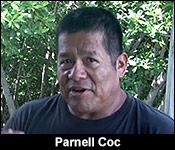
Parnell Coc, Owner, Tarpon Site
"We started feeding about six fish, six small tarpon fish. What happened is, I took a boat there, and we put a light, and then every night these small fish come and feed, but they go I the day, they go find cover. And one day they stayed and from that time I get buckets and buckets of bait and start feed them until they got used to the spot."
"They're in high demand for sport fishermen, for catch and release, and what happened I think the government tried to protect them because they were getting scarce because people kill them with gill nets, they get catch with gill nets, and the government made the law to protect them which is a good thing."
But apart from the tarpons, it's the Barrier Reef that needs looking after. The reef provides economic activity while simultaneously protecting the country from being swallowed by the sea. And this was emphasized during a mini press conference with the island's chairlady, as well as the chairlady of BTIA Caye Caulker.
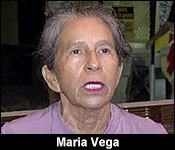
Maria Vega, Chairlady, BTIA Caye Caulker
"You saw the power of the high seas, we did get hit straight on by the heavy seas and if that barrier reef was not there then I imagine that Caye Caulker would not be here because that is so much protection. You saw again for yourselves, the calmness when we hit behind Turneffe, how calm the seas were, because that's a protection. And then once we passed through the tunnels from Turneffe and went behind Lighthouse Reef, you felt, again, that protection. So the importance of the reef is for the whole country."
Seleny Villanueva Pott, Chairlady, Caye Caulker
"We would want to keep it as long as we can as this beautiful little product, but we have to ensure that there is a plan and that it comes to reality, without that, we will lose what we have."
But even with conservation and sustainability at the forefront of everyone's mind, this shouldn't be a deterrent for Belizeans who want to see what their country has to offer. And with Caye Caulker's calm and carefree atmosphere, it is BTB's hope that more residents seeking that rush of adventure will take the dive.
Mike Hernandez, Communication & PR Office, BTB

"One of the reasons we have trips like this is for you guys to help us tell the Belizean story. For people, especially Belizeans, to understand the Belize's tourism product is basically unique, it ranks among the top in the world. And so you don't need to go to Chetumal, to Tulum, to those areas to appreciate the sea, the marine life. We're just right in front of the barrier reef, we have so many beautiful things so obviously we cannot understate the importance of encouraging Belizeans to spend their money here."
Maria Vega, Chairlady, BTIA Caye Caulker
"It's an immediate change of pace, whatever you were doing before, you can just say ahh and take a break. We have a lot of fresh air still, you can't beat that, that's a health benefit. Just being close to the sea and being immersed in nature is a major health benefit to renew and refresh you." Previous fam trips have taken the media to San Ignacio and Placencia.