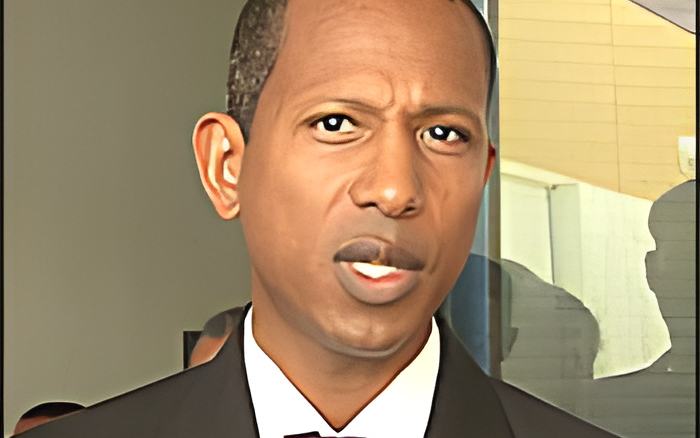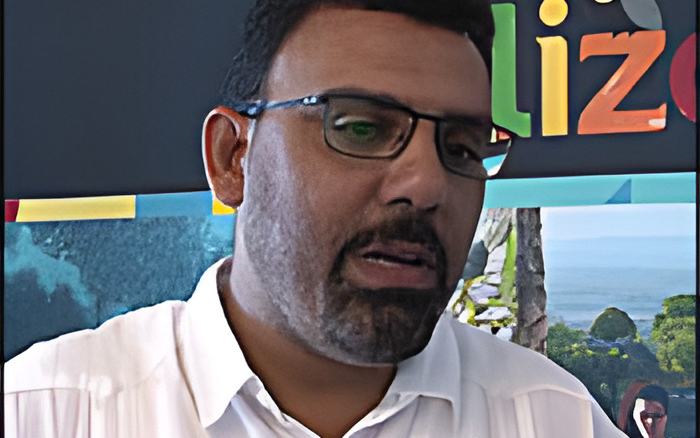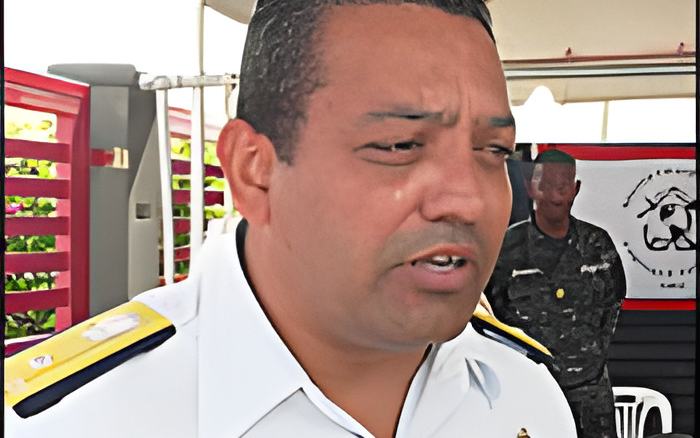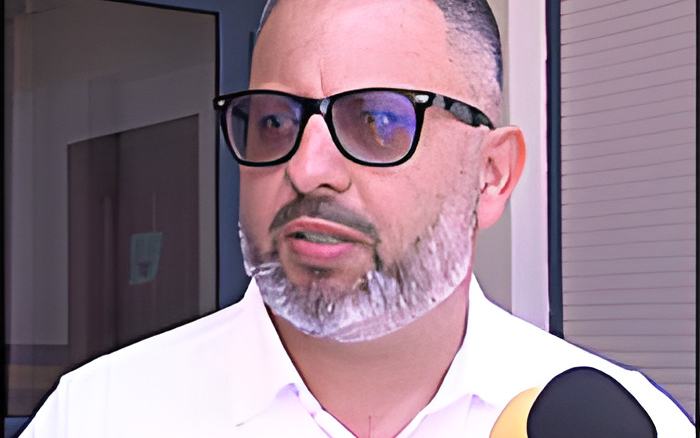


Tonight, a Ministry of the Blue Economy and Civil Aviation delegation is in Lisbon, Portugal. Those members are Minister Andre Perez, his CEO, Kennedy Carrillo, and Maxine Monsanto, Director of Blue Economy. They are there to represent Belize at the United Nations Oceans Conference 2022.
The conference, which began on Monday, is being co-hosted by the Governments of Kenya and Portugal, and the organizers think that the discussions at this forum come at a critical time. Nations worldwide are trying to address the many deep-rooted problems that the COVID-19 pandemic has exposed.
Minister Perez was invited to address his colleagues who attended the conference, and here's what he had to say about Belize's conservation efforts:
Hon. Abner Andre Perez - Minister of the Blue Economy & Civil Aviation
"I want to thank you very the invitation to today's side event on fisheries law enforcement and international and Caribbean instruments on transnational organized crime in the global fishing industry. As the minister of the Blue Economy and Civil Aviation, I am pleased to be part of this panel. Belize, in recent, years, initiated a successful fisheries conservation and management framework that has sustained our small-scale fisheries. Belize has implemented robust science-based management strategies for its fisheries. And also, Belize has declared, in 2022, a total of 11.3% of Belize's ocean as no-take zones, high biodiversity protection zones. Moreover, Belize has also developed compressive legislation for improved management of its fisheries resources, as well as addressing issues to curb IUU fishing. Under the Blue Bond Conservation Funding Agreement, Belize is committed to the implementation of the governance framework for domestic and high-seas fisheries, consistent with transparent, science-based, and socially responsible international best practices. This framework calls for compliance with all national, regional, and global obligation-related fishing activities, including enhanced monitoring, to address illegal, unreported, and unregulated fishing activities. Central to the sustainable management of our fisheries resources is the combating of IUU fishing and transnational organized crime. IUU [fishing], we recognized that it undermines the advancements made globally in strengthening fisheries management, thus impacting national economies, and livelihoods of fishing communities. We too, and I would like to add, as to how my colleague minister from Jamaica shared instances, especially with queen conch and lobster. It's unfortunate that we have to reach these decisions, as our colleague mentioned from Jamaica said, to close the conch season for 2 years. This, I am sure, must be recognized as [a] necessary evil to combat what has been — our country recognizes that we're in danger as well, that it is very vulnerable. And while the conch products, lobster as well, is very much a big part of the Blue Economy in Belize, we recognized that it is precariously on a dangerous side. We must be monitoring very closely. In fact, this weekend was the end of the conch season because we met our quotas. That is part of what we do, setting quotas, but we're under the existential threat of the regional and foreign invasion of the fisheries there. That is very much a serious threat."
The UN Oceans Conference 2022 concludes tomorrow.