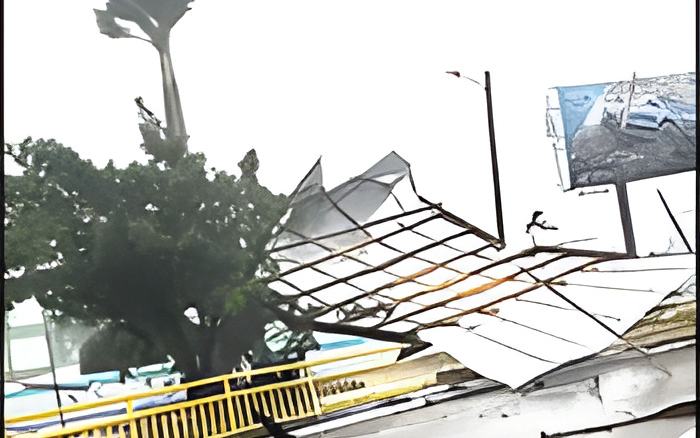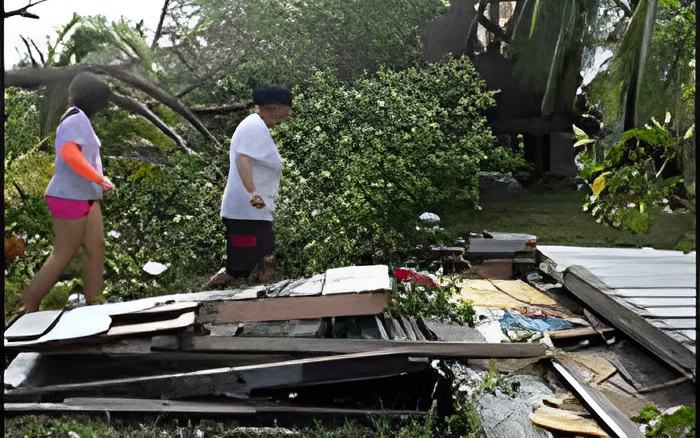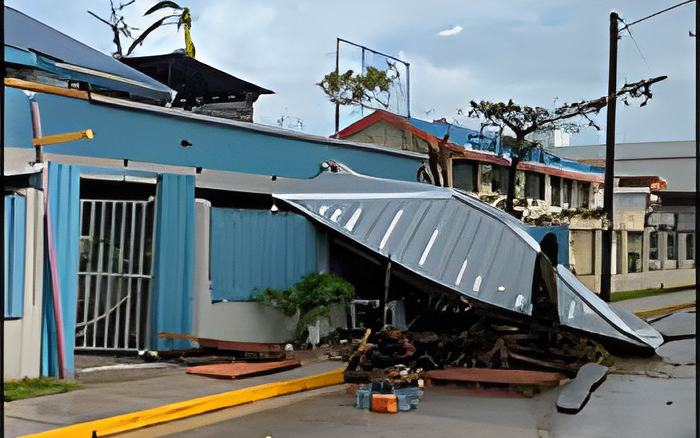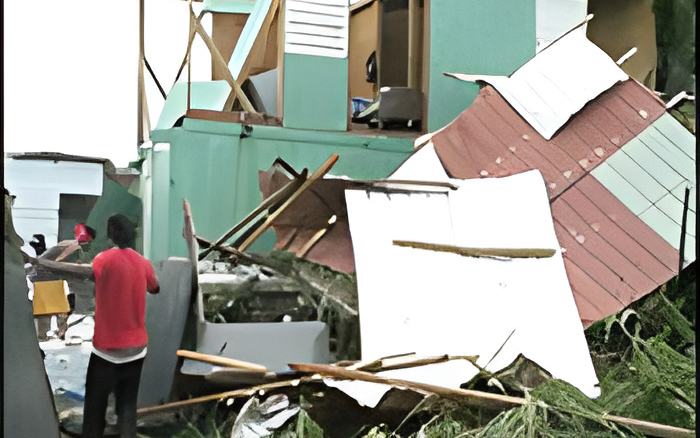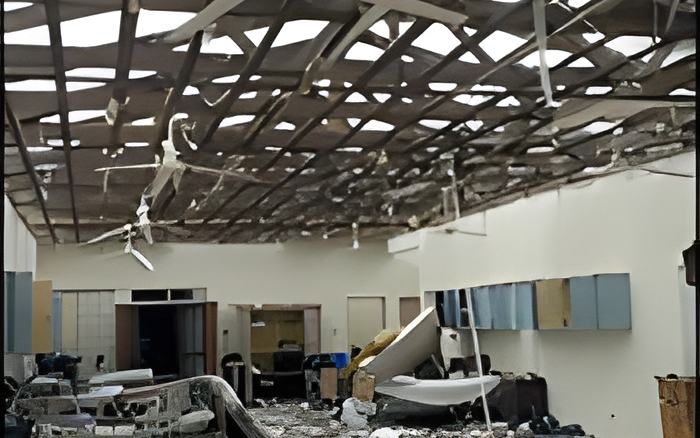


Throughout the news, we've shown you the widespread destruction caused by Hurricane Lisa when it passed through Central Belize yesterday.
Officials from Belize are right now preparing to attend COP-27, or the Conference of Parties which will begin in 3-days in Egypt. That's where world leaders discuss how far member countries - especially the developed nations - have progressed towards compliance with the United Nations Framework Convention on Climate Change to reduce greenhouse gas emissions.
For years conference goers from Small Island Developing States have been saying that the developed nations are not doing enough to reduce their emissions.
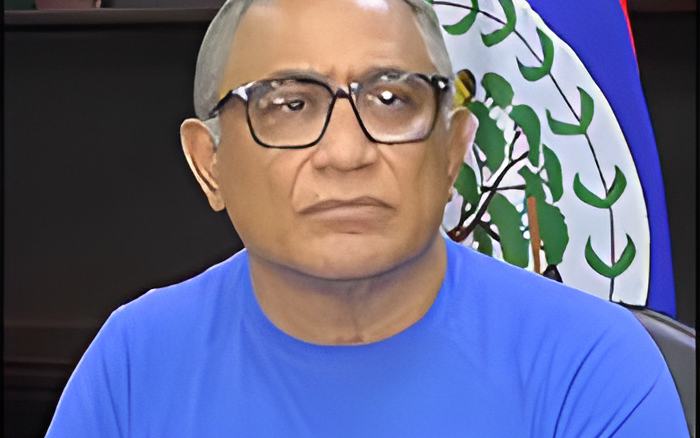
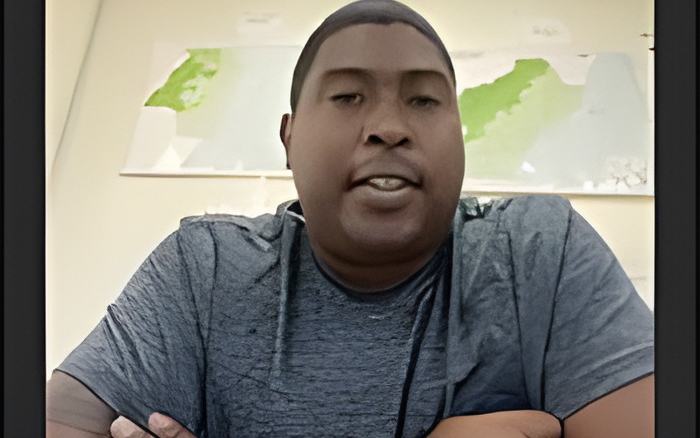
So, will Team Belize use the damage caused by Hurricane Lisa - which is a rare November storm - as an example of the consequences of climate change on the Small Island Developing States? Here's what CEO Kenrick Williams said about that:
Dr. Kenrick Williams - CEO, Ministry of Disaster Risk Management
"This is no longer a theoretical discussion about climate change. We see the increasing number of storms. We see the increasing intensity of these storms. We see increasing rainfall and the impacts that it has on countries like ours. If you compare the implications, the economic implications of Hurricane Lisa on Belize as compared to a storm and, let's say, on Miami, they're significantly different. The US can position monies because the US can position investments in responding to those storms. Countries like ours struggle and suffer. We were on a very good economic trend over the last few months, and this is going to significantly impact our country. We're going to have to spend resources to try to respond to this storm. They are - so not just the financial implications, they're social implications on our people. There's a setback that is caused for our people. And again, this is a result of the changing climate that is not the culpability of our countries, that is not solely on one or two countries, but on the global economy. So, as countries like Belize, we have to go out there and defend and say, listen. We are being impacted, and the impact that we receive is not on the scale of the other countries. And so, we have to ensure that in times like this, we have the resources to be able to respond and support our people. We have to be able to put in the type of green and gray infrastructure. So the mangrove restoration, we have to be able to put in some of the levees and the barriers that we need in order to protect and then reduce the impacts that these storms cause on our countries. We have to be able to put in flood mitigation systems, the road infrastructure that is resilient against these types of storms. So, that is the reality and the connectivity to these types of systems when we talk about climate change. And so, in the global discussion, we have to be at the table because, as I say, if you're not at the table, then you're on the menu."