
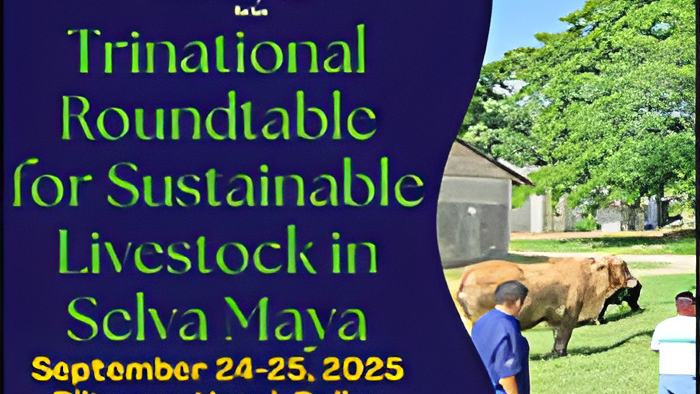
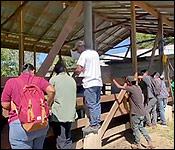
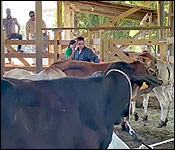
57% of Belize's land is under conservation protection, but at times some of our forests are cleared not for logging but for livestock. Our farmers rely on these rural areas to raise their cattle, and with the growth of this sector, it's getting harder not to clear the land for cattle farming. This is why The Nature Conservancy has stepped in to collaborate with 2 of our neighboring countries who are also experiencing the same problem. TNC is hosting a trinational roundtable discussion on how we can develop a model to raise livestock in a sustainable manner- that is without taking away from the rainforest. I visited the workshop today and here's what I learned:
Livestock Farming in Belize has one of the highest economic output values producing up to 94 million USD in 2021, but the sector is also a huge threat to our forests because of its unsustainability and poor production practices. Other countries like Guatemala and Mexico have also been experiencing the same. Livestock farming is extremely vulnerable to climate change, and so these countries have joined together in a tri-national round table meeting to develop a framework that will transform livestock farming into a more environmentally friendly practice, in turn mitigating the deforestation occurring within the selva Maya.
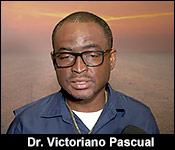
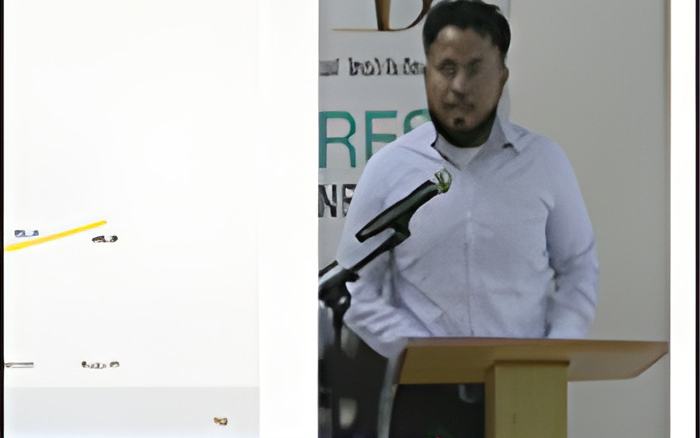
Dr. Victoriano Pascual, Chief Agriculture Officer, MOA
"It is something that we have been trying to get everybody together so we are finally here and it is a big step forward and hopefully this yield the results that we are looking forward to because the plan and looking and livestock it is not something that is done overnight so we need to plan properly, look at funding and see where these resources will come from and how we can pool the resources and have a better management of our forrest system. Remember that also we talk a lot of biodiversity loss because of livestock production so if we can get a proper plan in place we will be able to minimize some of these challenges especially as it relates to soil, water management and likewise the management of our forrest."
The Nature Conservancy is leading the 2 day workshop that seeks to engage with both public and private sectors as to how best they can approach the issue over a period of time.
Luciano Chi, Regenerative Agricultural Specialist, TNC

"TNC is supporting the sector including our major stakeholders, the ministry of agriculture, Belize livestock producer associations university of Belize central farm and the Belize Maya Forrest in providing the technical know how in terms of implementation of regenerative practices within the sector it is where we are training our extension officers within the sector as well as the livestock producers in sustainable practices that will allow us to do that transition to sustainable livestock."
"I think that within the round table we are considering the entire country, why because we know that Belize possess more than 57% of our land under conservation so I think that we are a very good example for the region in terms of providing that support to our forest but at the same time we are very fortunate that we have the implementation of this module for our farmers our livestock stakeholders whereby we can test a lot of these practices, sustainable practices in livestock that will allows us to do this transition we are envisioning in the long term."
At Present Belize exports up to 43,000 animals on hoof into our neighboring countries for sale, and only 9-10k stay within the country to supply locals. CEO for the Belize Livestock Producers Association, William Usher says that grass fed livestock has proved to be one of the safest and best produced ways of raising cattle, all they have to do is tweak it a bit to ensure it is fully sustainable and doesn't harm the forest population.
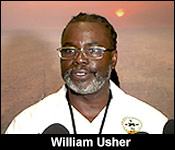
William Usher, CEO, Belize Livestock Producers Association
"In essence what Belize is doing, our livestock production is grass fed and grass fed beef in itself is a whole other market and we have been doing that from day one unlike many other countries like the US and these others who are cattle production in confinement which is a whole other system that is causing a lot of the environmental problems that you know about. It is not the grass fed one, so you will stick with grass fed but allow for other techniques to come in play to allow for efficiency within that system but your market now once we are able to find a differentiated market that grass fed market, the prices are 2, 4 times more than what the regular market is and the fortunate thing about the whole regenerative issue is all these techniques that you are using or implementing to conserve or to save the forest are the same techniques you will be using to increase productivity and so in the end it is a win win, in relation to forest conservation or forrest using it sustainably and the issue of the economic viability of the farms."
The workshop established short, medium and long term milestones which they expect to meet.