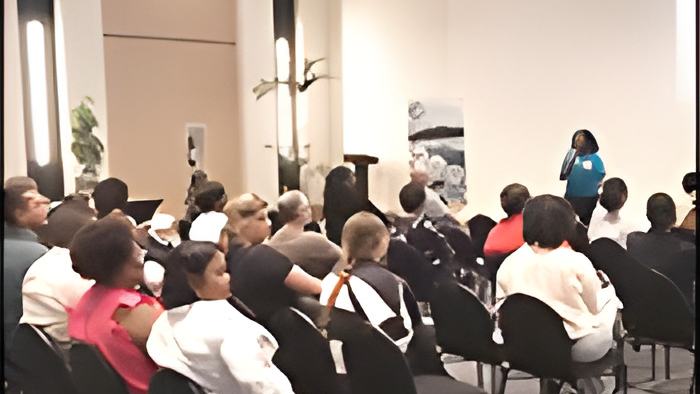
They began working in Belize in 2022, and since then the Strong Coasts Project has made significant strides in strengthening resilience for coastal communities across Belize. Yesterday, Strong Coasts Belize international invited an expert to come and speak with local partners on how to build resilience with reefs and mangroves. Here are the highlights from that event.
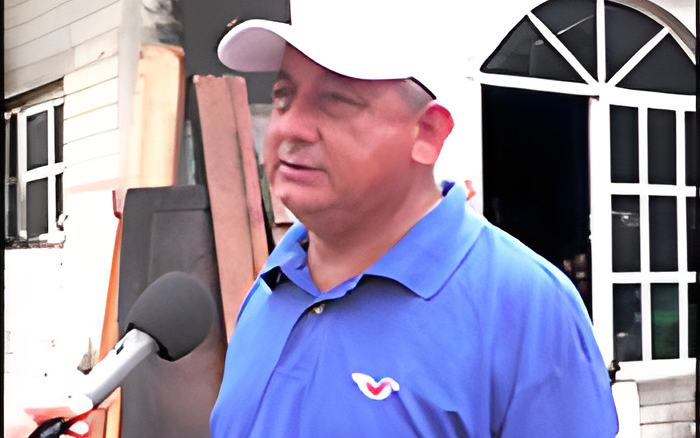
Maya Trotz, Professor, Civil & Environmental Engineering, USF
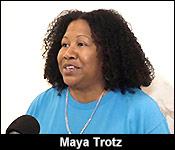
"The strong coast project has multiple different research partners community partners and we try to host events that share knowledge and build capacity and share capacity wherever we work and given that some of our team members are in Belize at the moment we thought it would be appropriate to host a talk and make sure it is broadcasted live on zoom to others around the world so that we learn about the cutting edge research and work that professor Beck and his team is doing. And what they are doing is really modeling ecosystems in particular looking at if you have coral reefs and if you have mangroves. What does it look like for communities and coastal infrastructure in terms of flooding and risk from flooding and how does that impact your infrastructure? How does that impact your pocketbook? So he is sharing some of the cutting edge information that they have developed in particular for Belize on this trip, our project works also in Miami and in the US Virgin Islands and this is the share out on some of the work and also I think for his team, really exploring how different decision makers can use this kind of information to make better decisions around things like infrastructure and what kinds of investments are needed to protect that infrastructure. So for example we go to Caye Caulker tomorrow for a workshop on Hybrid Reefs that ois being led by some of the students on our team, Kat Houser from Boston University and partnered with Ally Cansino from Caye Caulker and in Caye Caulker there is a waste water treatment plant that has just been approved by government and at one of the community meetings there were questions around flooding at certain junctions where some of the infrastructure might be coming from and so something that my come out from our workshop tomorrow could be if there are flooding hotspots is that something out team can assist with modeling?"
Nadia Bood, Senior Program Officer, WWF

"We are making strides and we are starting to engage directly with land owners to share better practices we have one contest called the mangrove friendly development challenge which we are then taking to engage with different land owners, and then have them provide their proposals, their projects that they have implemented to reduce their footprint on the mangrove ecosystems to build with nature rather than totally disrupt nature. And so we are in the process of collecting those, creating case studies and then engage in them across the space of Belize, the coastal space of Belize, North to South, East to West and then we are also then looking at engaging the realtors, we share whatever case studies we have we ask them to share it among their peers so that they too can then inform land owners on the best practices that can be done in terms of building within the mangrove landscape and then finally now we are reaching out to the insurance people that insure properties, land development projects so that then they can build into their model for investment, greener practices that these people who borrow money, who want to ensure their property can integrate to help reduce the risk and potentially reduce the level of pay out that they would have to do when a storm comes through for example."