
And while those personal measures you take to stop the spread can have the biggest effect on driving down numbers - testing is another key component.
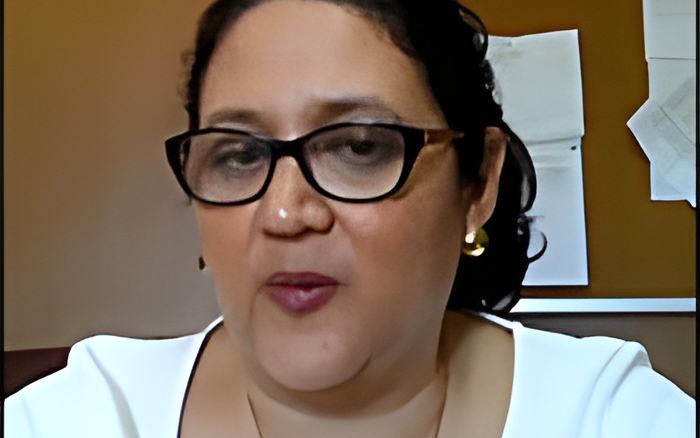
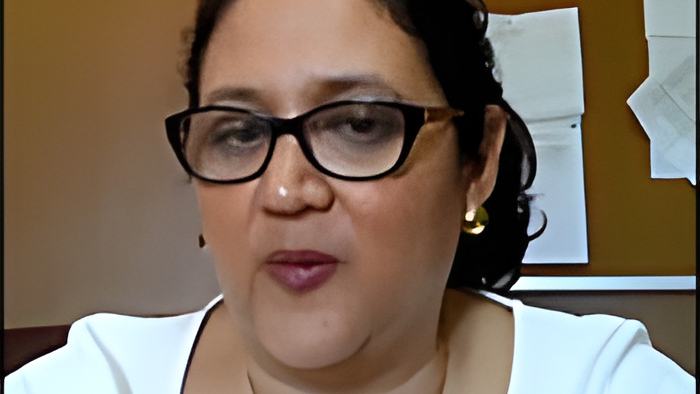
Dr Diaz says that be making rapid testing more available, and, thus, letting more infected people know they are positive has deterred risky social behaviour:
Melissa Diaz - Acting DHS "Definitely more testing has helped us, I think around November 23rd, 24th the entire country had already embarked on the rapid test drives, so at that point that has really helped us because it has helped us to pick out positive cases early, right then and there or within 24 hours you are given your results and it makes a difference to that person as well, if you leave a health facility knowing that you're positive you will be extra careful going directly home to avoid your loved ones, avoid the vulnerable people in your population so it is an easier way for us to get results to persons to get more people tested and allow for earlier detection, so yes we have tested, I'll just say the ballpark figures about 20 to 22,000 persons with rapid tests already and we have that in the pipeline for January as well I was just discussing with the surveillance officer that next week, the first week of January all the regions have dedicated test days for this rapid test drive to continue."