

Have you heard of holiday heart syndrome? Well if you find you've been sleeping less and eating or drinking more during this season, you may want to pay attention.
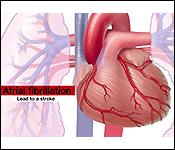
Holiday Heart Syndrome refers to an arrhythmia - or irregular heart rhythm - that occurs in people who may otherwise be considered healthy. According to Dr Marvin Manzanero, it's more frequent this time of year due to several factors, including excessive sodium and alcohol intake.
So what symptoms should you look out for? Dr Manzanero explained more via Zoom.
Dr Marvin Manzanero, Internist/Bioethicist Loma Luz Adventist Hospital

"There are two issues that I think we need to stress about the heart one it's a specific one called holiday heart syndrome which usually comes around festive periods and it's more commonly seen around Christmas, New Years celebrations and the specific syndrome refers to an arrhythmia, Atrial Fibrillation that comes about associated to binge drinking, the fact that people tend to rest less, poor sleep patterns, fatigue, stress. We are eating a lot of things including high salt content food. So that's what gives you holiday heart syndrome. It's an arrhythmia triggered by these mechanisms which are more common during the Christmas period. But also associated with that that's not the holiday heart syndrome, in terms of heart situations, we are more commonly seeing people have heart failure more, coming in acutely ill. you're more likely to see heart attacks and strokes around this time of the year triggered by again people taking pill holidays, people who don't want to take their medication because they're going to be drinking or partying for days on end. The high salt content food, we're not resting while there's a lot of alcohol involved and the emotional stress of visiting family members, as you have suggested, we are seeing patients who are coming into the facility who are having heart issues because they're also going through a grieving process. You know you are spending your first Christmas without a family member for example. So these situations seem to be more common around this time and when you look at data for example in the US that tracks data very well, heart attacks are more commonly happening on December 25th, 26th and January 1st."
"I had posted on my page earlier that what is your emergency health plan if you have to be rushed to the hospital at midnight or 2, 3:00 in the morning. So we avoid those situations so it's really paying attention to any shortness of breath, any discomfort, any numbness tingling that wasn't there."