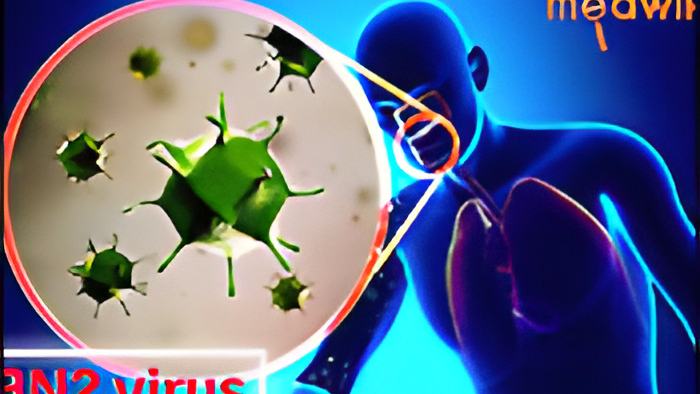
And while you're looking out for your heart, you should also be washing your hands frequently to prevent H3N2 - otherwise called the "super flu." It's a fast spreading severe viral infection that's sweeping across the world.
According to Dr Manzanero, while influenza is seasonal, each virus mutates and that's why it's important to get a flu shot. And while he says we don't have another pandemic on our hands, it's more infectious than other influenza viruses.
Dr Marvin Manzanero, Internist/Bioethicist Loma Luz Adventist Hospital
"H3N2 is an influenza virus that's circulating, as we have that virus circulating every year but you have mutating virus, so you have a different strain of the virus that circulating this year. So viruses mutate which is why routinely we recommend you get your flu shots every year because it's a different strain you are going to be exposed to when you get your flu shot. So having said that, people who have gotten the flu shot, I got mine maybe 7 weeks ago, will have levels of protection against this new H3N2. The reason why it's gaining traction in some jurisdictions who are colder temperatures than we are right now is because that virus has had 3 mutations from the previous strains from which it evolved. Those three mutations are giving it the ability to infect much more quickly so it's evading immunity that we may have had, defenses that we may have developed to the other strains of the virus."

"It's not necessarily that it's going to be in a pandemic phase, and it's not causing any different signs and symptoms from the regular flu. But I think it's important for us to understand that because it is more infectious than the previous strain, you can anticipate that more people are going to get ill. So once you have more people getting ill, you have more susceptible people, people who have chronic diseases, people who are diabetic or hypertensive, older patients, pregnant women, young children, they're more likely to be developing more complications as a result of an H3N2 infection."
H3N2 is expected to escalate for Belize during the second week of January.