
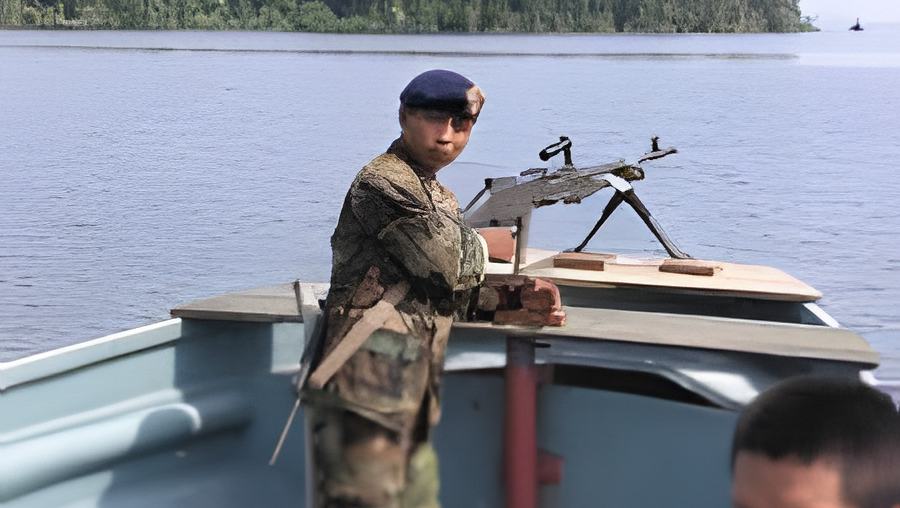
There are concerns tonight that the Guatemalan military has engaged in hostile maneuvers on the Belizean side of the Sarstoon. As co-managers of the Sarstoon Temash National Park, SATIIM regularly deploys park rangers and personnel down the Sarstoon River to conduct patrols and attend community meetings. But on Tuesday they were stopped from entering the Sarstoon by an armed an aggressive Guatemalan military patrol. For context, we note that the Guatemalan Armed Forces maintains a military base on its side of the Sarstoon. In June we reported on a similar but not equally aggressive encounter between the Guatemalan military and a BDF patrol.
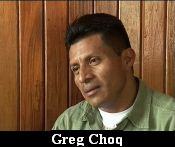
But the story we’ll tell you tonight is different, and it is concerning. SATIIM Executive Director Greg Choq was on the boat when it happened and Jules Vasquez spoke to him about it via telephone.
Jules Vasquez Reporting,
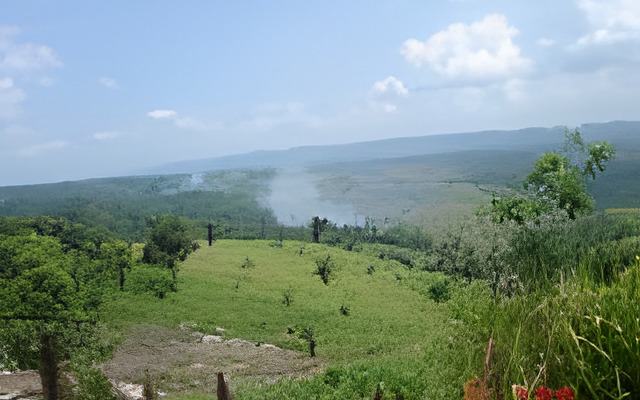
This is what Belize’s southeastern border with Guatemala looks like on the ground and this is what it looks like on the map. The cluster of green in
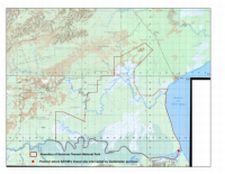
the middle of the river - or what you see in the middle on this map - is Sarstoon Island – the deepest channel to the south of that - marked by the red line on the map- is recognized as the southern limit of Belize territory. That's the border.
Greg Choq says he and his SATIIM rangers were in their boat on the north side of the island on Tuesday – much as you see them here in this file footage from January of this year. On Tuesday they were at this red dot on the map - clearly in Belizean territory. They were heading to a meeting in one of the Belizean communities along the river when a Guatemalan gunboat came directly towards them.
Greg Choq,
“And I believe and the other people that were there, if we had stopped, we would have definitely collided into the vessel that they were in because they were moving at fast speed to intercept us. We had no choice but to stop.
We had to stop or we were forced to stop and they asked us who we were and where we were going and what we were in the region for and there were some exchange of words in terms of telling them what we were in the region for and it was not going anywhere so I identified myself as the Executive Director of the organization and that we manage the park and that we were on a routine visit
to the community.
They were insisting on us showing our documents and any other registration numbers for the vessels and so on. After we refused to disclose any ID cards, they told us well we want you to accompany us to the base. They have a little base right on the Guatemalan side of the river which is south from where we were and we told them we cannot go there because we’re not going into Guatemala and we don’t have intentions of going into Guatemala and a lot of discussion back and forth occurred and it became very contentious but we insisted that we were in Belizean waters and that’s when one of the Guatemalan soldiers told us, who seemed to be in command, that the water belongs to Guatemala and that the land belongs to Belize.
After about thirty five minutes, between 20 to 35 minutes, they asked them what should we do and they said they want us to accompany them to the base and we told them no. But when we said that we need to go, we have an appointment with the community, and one of our people asked what should we do and they said next time when we come in the area, make sure we come to their base to tell them where we’re going and who we are so that they know who is proceeding up the river. And to avoid any confrontation we said yes we will do that next time, we will do as they said, and we moved on and they let us go.”
Jules Vasquez,
Greg how did you all feel in that moment being Belizeans and also being rangers and managers or co-managers of that park?
Greg Choq,
“Jules it is frightening, noh? It is frightening. All of them were armed and really we had no defense.”
But was it a deliberately hostile act or just a faulty maneuver by overzealous soldiers?
Greg Choq,
“We’ve never had this kind of aggressiveness from the Guatemalan military, at least to us until this occurred and I wanted to know if this was in fact a new policy of the Guatemalan government that we need to be aware of.”
They need to be aware because they often patrol the area.
Greg Choq,
“It does have serious implications for us as co-managers of the park. You know our rangers have, were commissioned as special constables to arrest and detain anyone that breached the National Park Act and if we go into the area and we detain Guatemalan doing illegal activities in the park, I would not want a situation for them to be calling out for the military and to go into the area to deter our rangers from doing their responsibility.”
Choq has written formal letters of complaint to Belize Foreign Minister Lisa Shoman, and Guatemala‘s Ambassador to Belize Manuel Tellez. He has asked for a meeting between all parties to understand what produced the aggressive behaviour.