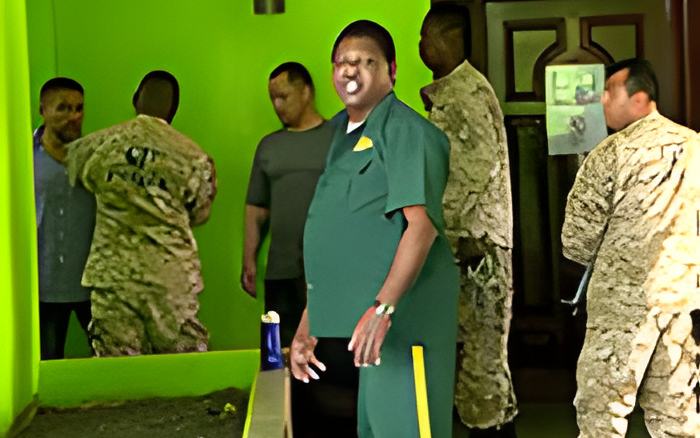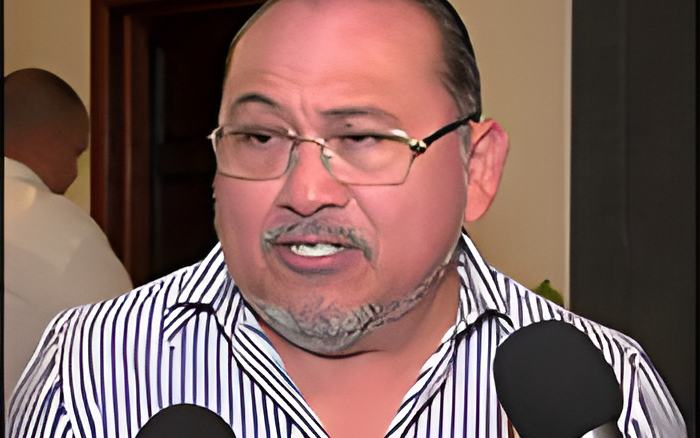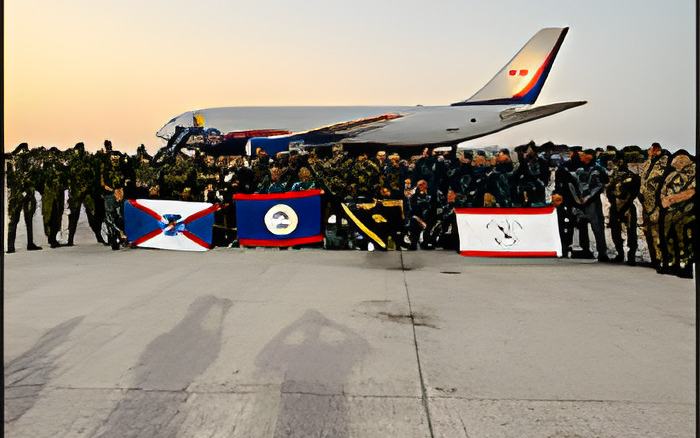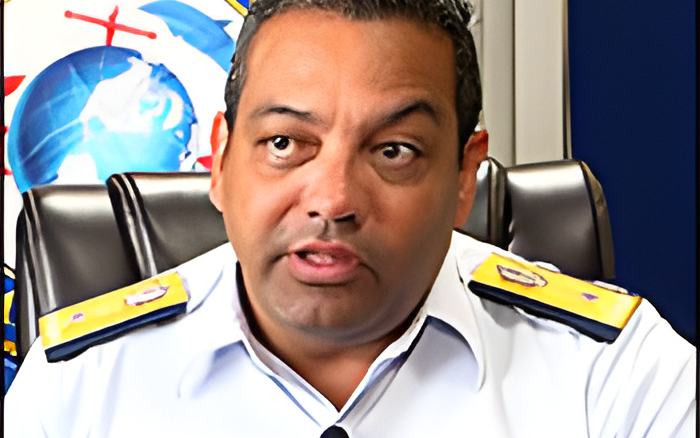

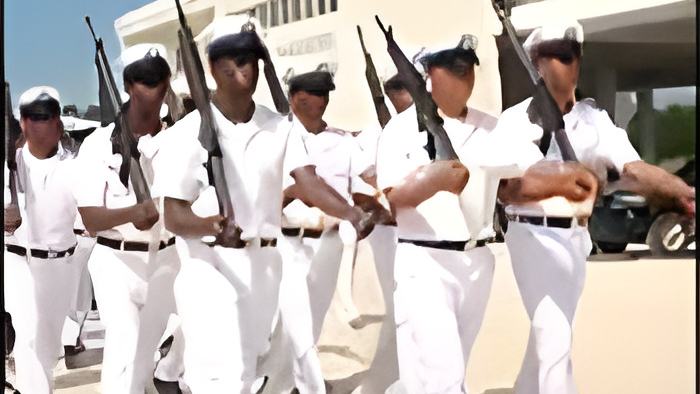
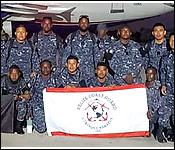
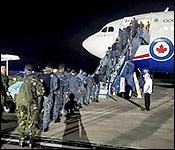
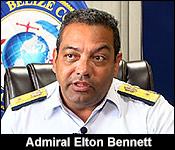
And unlike the BDF soldiers who are a part of the contingent, the Coast Guard officers were not selected on a voluntary basis. Today the Commandant, Admiral Elton Bennett explained that their special forces were chosen to join the mission. He explained that this is the second phase of the training, and that once it's completed, the continent will return to Belize and await further instructions.
Admiral Elton Bennett, Commandant, Belize Coast Guard
"This is actually the second phase of training, we started training in January of this year, where the Canadian military came down in country and took these very same men that are currently in Jamaica to start the official training. That training was designed to sort of sensitize the members of the Belize Defense Force and the Coast Guard on United Nations peacekeeping operations so that was an introduction. We are now in Jamaica as part of the joint task force along with Jamaica and Bahamas, to sort of standardize that training and develop it a little bit further and to move into actual certain possibilities we could face if there's a possible deployment into Haiti and again it's under the umbrella of the United Nations, under the peacekeeping umbrella."
"The Belize Coast Guard team is really the Coast Guard special operations group so the twenty men that are out there are part of the Coast Guard special operations group. They did not volunteer for this mission, this mission was given to them. They are the best that we have in the Belize Coast Guard, they're very well prepared for high risk operations, they've been exposed to exercises of this nature, they have done regional exercises, special forces exercises in Jamaica, over the past couple of years, we've been very active in the region, last year we went to Colombia to do some training as well with different maritime forces and these are the guys here in Belize that are deployed on those high risk operations therefore they form the best of the Belize Coast Guard and that's why they've been selected to conduct this training in order to be prepared for that possible deployment into Haiti."
"It's a four week training in Jamaica, it's not an immediate deployment into Haiti thereafter. They return back to Belize and we await certain administrative and legislative arrangements that need to be made before that actual deployment is made. And so upon return we don't know what the timeframe would be like before deployment but we just want to make sure we can access the training now so whenever the time for us to deploy comes that we are prepared for that."
"Even though we don't share a border with Haiti, there are occasions where migrants would move from Haiti whether by sea or by plane and could be heading towards Belize so we are directly impacted yes by what's been going on in Haiti and as a fellow Caricom country we owe some level of intervention, some level of support towards the stability in Haiti."