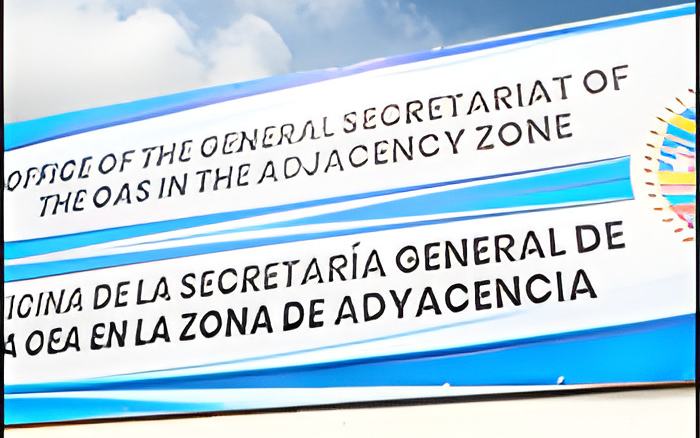

And the director explained more about how they've improved in their capacity to verify the reports they receive:
Sergio Lopez, Director, Office of the OAS Adjacency Zone
"Technically we invest several amount of money in our technology, in the case of the measures we made in the adjacency zone in various incidents that we receive the report, we reduce our margin of error from 15 meters to just 2 centimeters so we have the exact coordinations where the incident happens in the adjacency zone. With that, when we share the information to both countries, the same way, the same information, the same data, they can't make decisions for the best interest of their countries and also for the best interest inhabitants of the adjacency zone."
Courtney Menzies:
"What challenges do you face when having to verify the incidents and when your agents have to go into the adjacency zone? What are some of the challenges or fears you have when going into the field?"
Sergio Lopez, Director, Office of the OAS Adjacency Zone
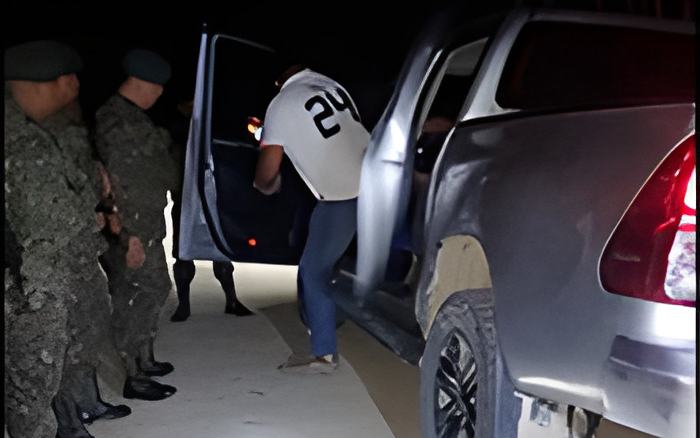
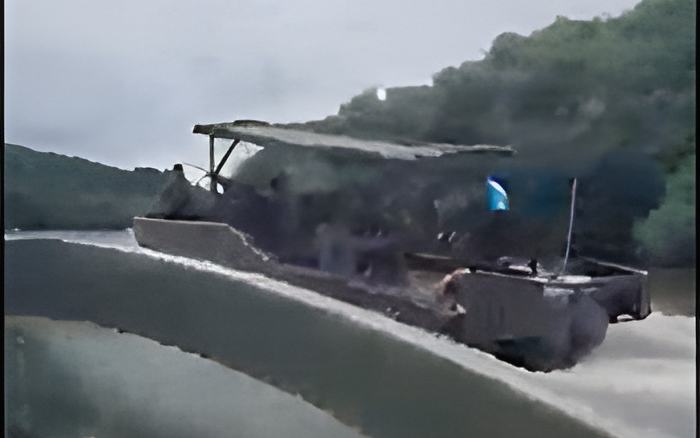
"There are several challenges in the adjacency zone. The first thing is weather, it is extremely hot and the humidity is 100%. The other things are the insecurity matters, the increase of the narco traffic in the area. Sometimes there are issues with population, but you know my best way to see this is, the best way to attend to the incidents in the adjacency zone is our capacity of communication the community leaders. Our best weapon to attend these tensions and these incidents is our capacity of dialogue with the communities. Our team doesn't go to the field with an armor vest, we don't carry any kind of weapons, we don't go with the assistance of the military of both sides, we never accept the assistance of the militaries in the investigation because it's better for us and better for the population in the communities in the adjacency zone."