
Once again it's the unions versus a government caught in a budgetary bind. By now, you know the terms all too well: Government has to save 80 million dollars to cover a part of its half a billion dollar deficit; they want the teachers and public officers to take a 10 percent pay cut, and a increment freeze which would produce that 80 million.
The PSU, BNTU and the APSSM have balked at that request; saying they might be willing to consider the increment freeze, but nothing more.
That's only 20 million and they have sent lengthy counterproposals to government suggesting how they could realise the other savings.
But, while that's on paper, on the ground, the battle is pitched, and today, the joint unions came out swinging with a three hour long press conference.
From the outset of the event, the union leaders reiterated that any agreement to an increment freeze must be reciprocated by government enhancing its fiscal responsibility and transparency.
And to help GOB along that path, the unions provided some recommendations that they could start with.
These include a purging of phantom government workers, a spending limit on new government vehicles, and cutting off ministerial allowances.
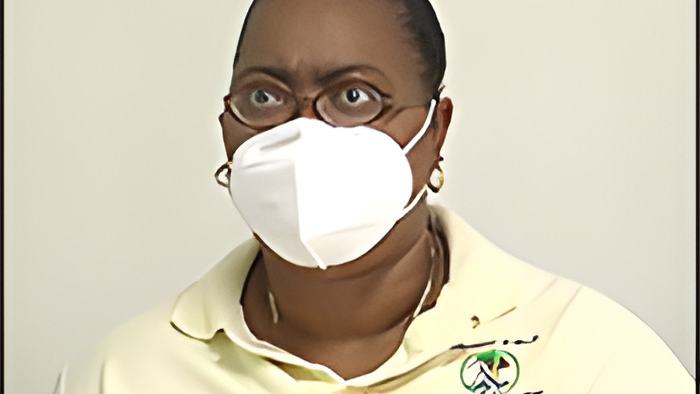
Sharon Frazer, President, APSSM
"As joint unions, we have recommended the, in following up to what Brother Luke just said, to the finalization of the job classification exercise because that in fact will then put a true picture to who the true public officers are, rationalize where they are, all the anomalies that have created in terms of salaries, that anomalies as it relates to an inaccurate staff list, deal with whoever doesn't belong where, and wherever the excess is and realigning how public officers are placed and therefore we can then get a true picture to have a proper examination of the wage bill."
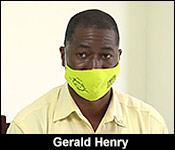
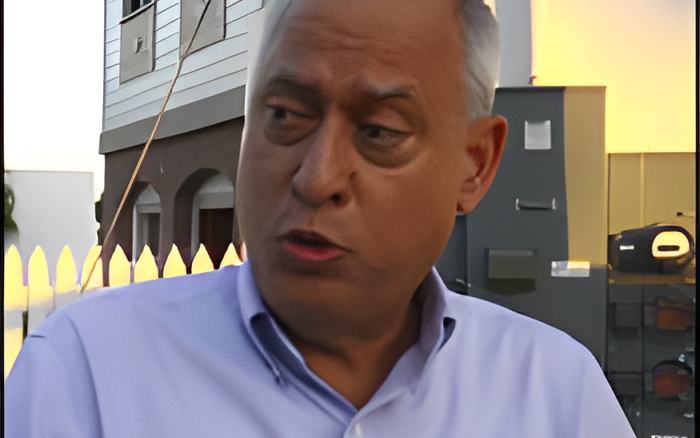
Gerald Henry, President, PSU
"We decided that the ministers, CEO's, HOD's and other senior government officials would be allowed to purchase their vehicles or the vehicles they want to drive. For ministers and ministers of state they would get an advance to purchase their vehicle in the amount of $100,000 maximum. For CEO's, they would get $75,000,000 maximum to purchase their vehicles, and for HOD's and senior government officials, they would get $60,000 maximum in order to purchase their vehicle."
"Since the vehicles will be the property of these individuals, they will also be responsible for the licensing of these vehicles, the insuring of these vehicles, and of course the general maintenance of these vehicles."
"We want to implement existing policies for the use of the government vehicles for other public officers that are below the rank of the HOD's and other senior officials and ministers where they will need to park all their government vehicle by 5:15pm every day. And they would have to park them at specific, secured identified parking areas countrywide. Any vehicle that is enroute back to their base after 5:15pm must be in possession of a pass."

Elena Smith, President, BNTU
"At this point in time, there's no need for any entertainment allowance. You can't entertain anybody right now. Gatherings are limited, nobody coming from anywhere right now that we would have to be entertaining them. So we are proposing - and we are serious and adamant about this - that ministers should give up their entertainment allowance and telephone allowance. Because right now most businesses use plans. You get a plan, that plan gives you unlimited data, unlimited calls, sometimes unlimited texts. Well data might be different depending on what plan you get but for sure unlimited calls and text."
Henry estimated savings of 4-5 million dollars for the changes made to vehicles for senior officials, and 2 million dollars for vehicles used by other officers. He added that those officers caught driving vehicles after 5:15pm would need to either present a pass or have a valid excuse such as engine failure.
And while these cost cutting measures are not exactly new ideas, the unions conceded that they have been recommending them to the government for some time and if they had been heeded then, he feels the country would not be in this financial position.