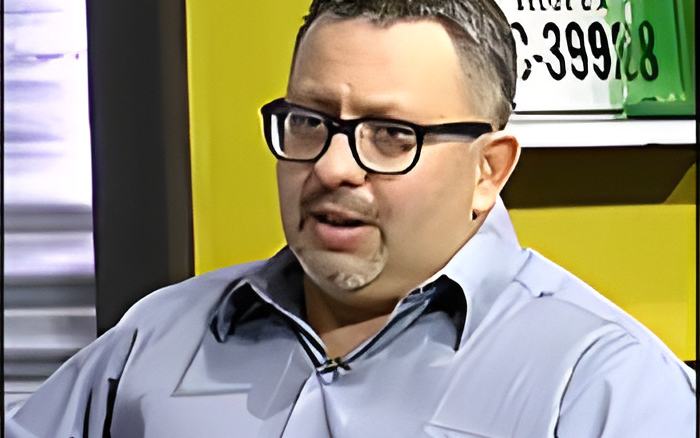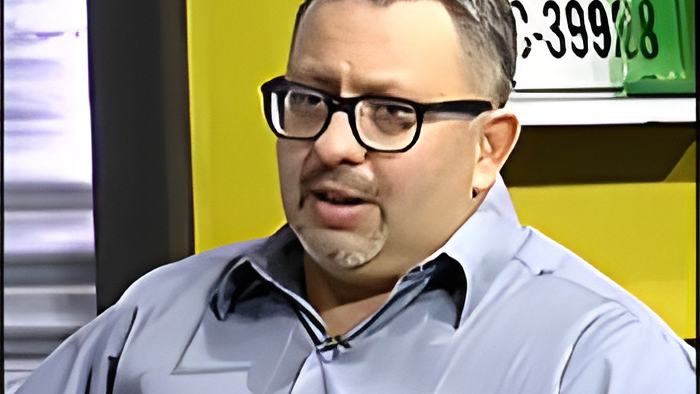
This morning, Home Affairs Minister Kareem Musa was the guest on "SunUp on 7". During their extended conversation with Musa, the hosts asked him to discuss his views on the 11th Amendment, and he took a similar position to the leader of his party, Prime Minister Briceno - pushing uniformity but waffling on what side he's on:
Hon. Kareem Musa - Minister Home Affairs
"What is also included in the 11th Amendment is the provision that those who have been convicted of corruption or misfeasance in public life cannot offer themselves for electoral office. I have an issue with the current way the constitution is drafted in respect of convicted individuals is that it only speaks to individuals serving a sentence of more than 12 months in the Commonwealth. Now, I ask myself, how does that make sense? A crime committed in America is the same as a crime committed in Belize, but America is not a Commonwealth country. So, why is it that the legislation, currently as it exists, only applies to Commonwealth countries? And so, that is something we have to look at. In my opinion, we have to have across-the-board legislation. It has to be uniform, one way or the other. Maybe we look at it from the other way, and we allow convicted criminals to run, but make it across the board, so not just in the Commonwealth and not just if you're coming from America."
The hosts also asked him specifically about the counter-point raised by Opposition Leader "Shyne" Barrow, that this amendment disregards any possibility of redemption by ex-cons, such as himself.
Here's how Musa answered that question:
Hon. Kareem Musa - Minister Home Affairs
"But, what I can tell you is that in campaigning prior to the general elections there was a lot of concern raised to me - because I was going out campaigning. How is it that you allowed this individual to run? In accordance with the law, the offense committed was in America. So, he is allowed to run. There was always this question, and so, people want a certain standard in terms of integrity in office. They want to elect individuals who do not have criminal records, and so, that is debatable because I, for one, do believe in reform and rehabilitation, but try reform and rehabilitation, not just speaking it. Going through actual courses, getting certificates from different institutions to show that you have reformed and rehabilitated. But certainly, it's a very debatable issue. I know that a lot of the states in the United States do not allow individuals to run if they have a criminal record. And so, it's something very debatable. But, as I said, it's part of a raft of good governance legislation that is being introduced. And like I said, people want to have a certain standard set for Elected Officials."