So, just how useful are these oversight investigations to overall public welfare anyway?
In recent history, there was the DFC Commission of Inquiry which started back in 2005. The Commissioners were investigating massive, multi-million-dollar loans which were paid out in the previous iteration of the Development Finance Corporation, under very questionable circumstances.
Then, in 2008, Narda Garcia, the former CEO of the Social Security Board - who is the current CEO in the Office of the Prime Minister - blocked the Senate Special Select Committee report. Although that report exposed serious irregularities in the SSB, the Supreme Court ruled that Garcia's right to natural justice was breached. That's because she was not allowed to defend herself against the allegations.
We fast-forward to the Senate Hearings on Immigration, which ended in December 2017. The Senate Select Committee spent 13 months conducting those televised, public hearings on systematic hustling and corruption at the Immigration Department. Up to news time tonight, no one has been prosecuted for the manifest corruption in that department for the period between 2011 and 2013.
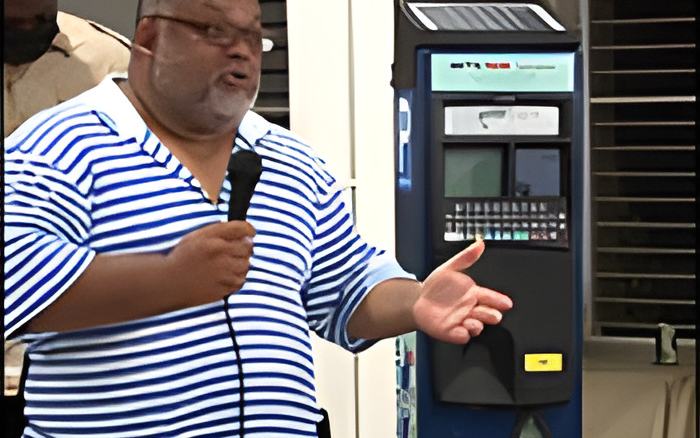
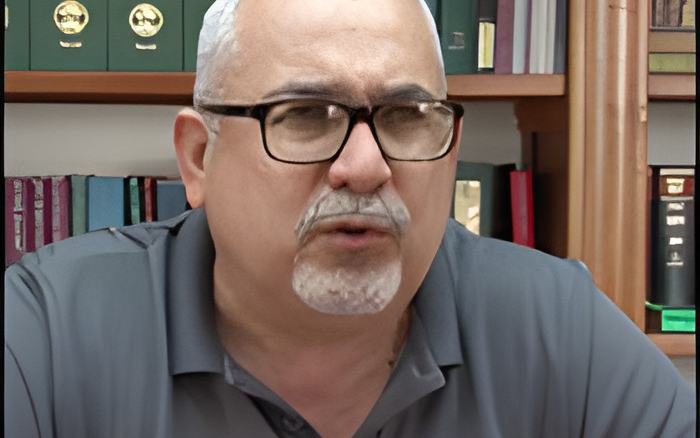
And now, the Commission of Inquiry into the Sale of Government Assets has a cloud of uncertainty hanging over it with 2 former Ministers claiming massive damages for breach of their right to natural justice. Here's what the Chairman of this current Commission had to say when we asked about the relevance of these investigations with great sound and fury, which usually count to nothing:
Daniel Ortiz
"These oversight mechanisms, you have. The Commission of Inquiry, and the Senate Hearings, these are supposed to help to protect the general public from abuse of public trust. Yet, whenever they are carried out, we get to a place where the persons who are imputed or maligned, they go to the court and get them rubbished."
E. Andrew Marshalleck, SC - Chairman, Commission of Inquiry
"Well, that's their right. That's all the system is designed."
Daniel Ortiz
"And then, that causes Belizeans to lose confidence that these oversight mechanisms will work as intended."
E. Andrew Marshalleck, SC
"It's a very difficult process, and that's reflected. The system is designed that way. And if that's the conclusion that the public is coming to, then, there is some truth to that, and maybe you need to think about reforming it. But the fact of the matter is that the system is designed to err in favor of anybody alleged of wrongdoing. That's how it's built."
Daniel Ortiz
"I struggle to see where the authorities, after seeing the lashing that you're taking as [the] Commission, and the fact that we are in a place considering damages, that any police or prosecuting authority will take up the very important findings you made."
E. Andrew Marshalleck, SC
"That is not for me."
Daniel Ortiz
"I agree. It's not, but I'm saying that the effect is -."
E. Andrew Marshalleck, SC
"That speaks to the quality of those decisions and what is happening here. While it might intimidate some, and intimidate them into inactivity, that's not how it's supposed to work. And that's my point."
We'll tell you what Justice Shoman's ruling is whenever she delivers it.