Regularly on the news, you can see the media and the top police brass duke it out on crime narratives, statistics and policing strategies.
The press is obliged to ask tough questions about police handling high-profile matters, such as the recent fatal shooting of Francis Ramos, a mentally ill man armed with a knife who kept advancing on officers. Also, the department often has to shoulder unfair criticism from citizens on social media who love to condemn the cops, even when they don't have all the facts.
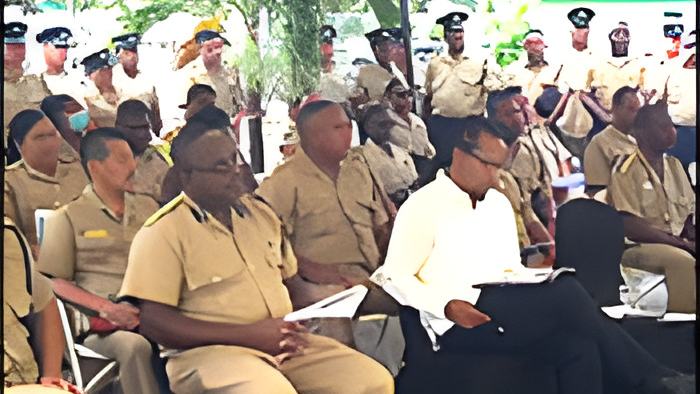
And now there'll be criticism from one more quarter: the ministry in charge of the police and the highest ranking officers of the department are asking their colleagues in the rank and file to provide an honest assessment of top brass management decisions. They want to hear from police officers about what management decisions are working, and which aren't. The department members are being asked to engage in this assessment through an initiative called Rethinking Police. That pilot project was launched today at the Racoon Street Police Station and Daniel Ortiz was there:
The top-level management of the Police Department and the Ministry of Home Affairs think that the time has come for the hundreds of police officers to assess their bosses on the efficiency of the management and supervising procedures that govern their day-to-day duties. It's their opportunity to give their police bosses a report card, so to speak.
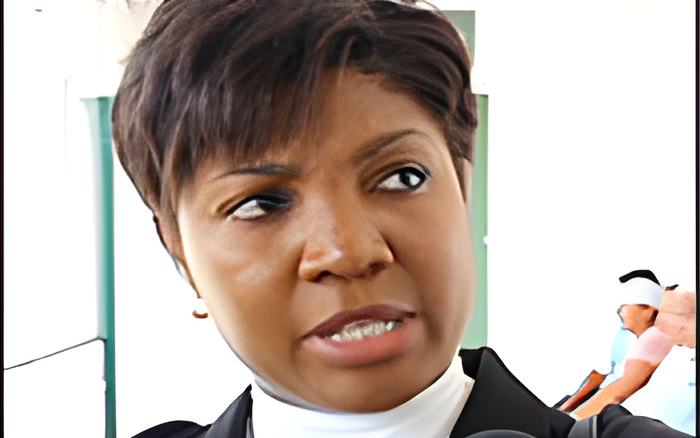
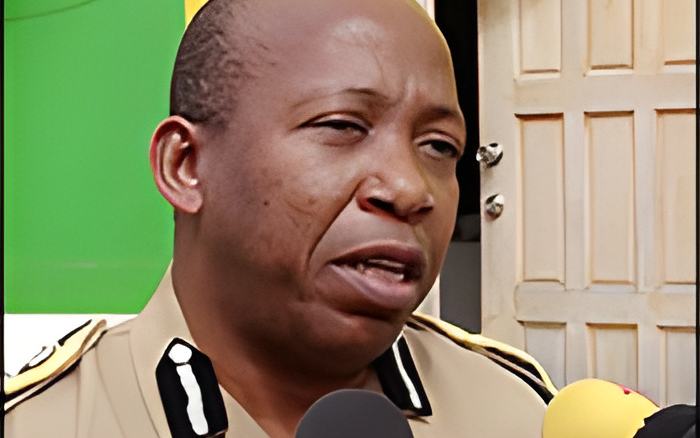
Chester Williams - Commissioner of Police
"When you look at the whole concept of the Rethinking Police Management, it is a system that is being put in place for the rank and file of the department to be able to do an assessment of how we're managing and policing the country."
They will do so in the next few months using a pilot project called: the Rethinking Policing Initiative; it's the department's opportunity to engage in a frank - and maybe even brutally honest - assessment of their roles and functions and what the on-duty men and women want to see them change:
Bart Jones - Deputy Police Commissioner
"It's rethinking, doing different things in trying to uplift our department, and changing the way - the image of the department. We know, constantly from our statistics, how well we're doing in terms of crime prevention. But this now looks at how well we're doing in management and how well we're doing in servicing you, the members of the Belize Police Department."
Chester Williams
"Oftentimes, as police officers, we're confronted with situations, and the way we do things, at times, may not be the best. So, what this Rethinking Strategy will do is give the rank and file an opportunity to be able to assess the leadership of the department, to see if we as managers are doing the things that we believe we should be doing in order to make you more effective on the grounds, as you carry out your daily tasks. Now, as managers and leaders, we must always be open to new ideas so long as they are going to yield good results. If you do the same thing over and over and over, you get the same results, and only a crazy man would do that. I don't think that any of us here are crazy."
"For those of you who are going to be part of the pilot project, I ask that you give it your full support and be honest in your assessment. That's the only way we'll be able to ensure we get the best results possible."
Kevin Arthurs - CEO, Ministry of Home Affairs & New Growth Industries

"The pilot project will start in Belize [City], where we have 60% of our personnel and 90% of our problems. But, it is a tool to assess our management stock, find procedural gaps, supervise failures and successes, and find opportunities to rethink the very management structure that we use."
The hope is that by identifying latent management problems, or fundamentally flawed decision-making, the department will be able to avoid public embarrassments like the case of 20-year-old Derrick Uh, who died from heatstroke after officers left him locked up for hours in a police van, in the broiling hot sun.
The Police Commissioner gave a few examples about the type of feedback they're hoping for.
Chester Williams - Commissioner of Police
"The first one that comes to me is public relations. I think that we do a shabby job when it comes to public relations. It is not an indictment on Mr. Yearwood and the team because, really, they are not public relations. Their task is to serve as our intermediary with the media. We don't have a public relations officer, per se, and I think that it is time for us to employ someone to do that for us."
"Oftentimes, we see all the negativity about the police on social media, and there is always no rebuttal from the police to give the public the police version. So, we want to be able to have that as well, where it's not to defend, but just to let the public see both sides, and then the public can make an assessment, having seen both sides, in terms of who may be right, and who may be wrong."
"Many times, we find that one of our greatest shortcomings is not that management doesn't have things in place. If you were to look at our policy manual, look at our national crime-fighting strategy, look at what we public in departmental orders, you will see that we do have good policies and a good structure in place to manage the police department. But, our failure in most areas is supervision. Those persons that are to ensure that the policies and strategies are executed are not supervising properly. And so, we're having shortcomings there. And so, that's another area I expect that this project is going to fix. It's going to point out that we're failing at that middle management level in terms of executing the policies and strategies that we have in place."
Sources tell us that the genesis of this initiative came about when members of the ministry started taking notes of management problems within the department, which they believe need to be urgently fixed. That's when the idea was explored to engage in an employee survey - similar to those from large private companies.
We are told that the outcome of the feedback from the rank and file will be collated, and then, the public will be allowed to share their views.