It didn't make the news but last week, two important judgments came down, one from the High Court and one from the Court of Appeal. They deal with BTB's termination of contracts for senior staffers hired under the UDP who got 6 figure renewals in the year of elections or just before that. The first is the case of Norman Young, the former head of department of IT Services, who sued the BTB for wrongful and/or improper termination of a fixed-term employment contract. The court found in his favor, finding that BTB had wrongfully terminated his contract and awarded him over $230,000 in compensation in payments. And the second one is the case of the former director of tourism, Karen Bevans. The court of appeal upheld the judgment of the high court in saying that her contract was also wrongfully terminated and that she was entitled to over three quarter million dollars.
For the tourism board, the courts have now ruled in favor of 4 employees whose contracts were terminated in a similar fashion and now the court of appeal has upheld two of those judgments. But the BTB's attorney, Andrew Marshalleck is undeterred- he wants to take it to the CCJ. Here's why:
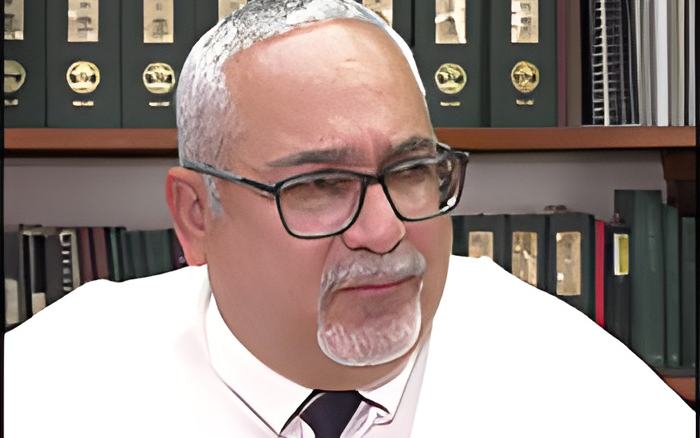
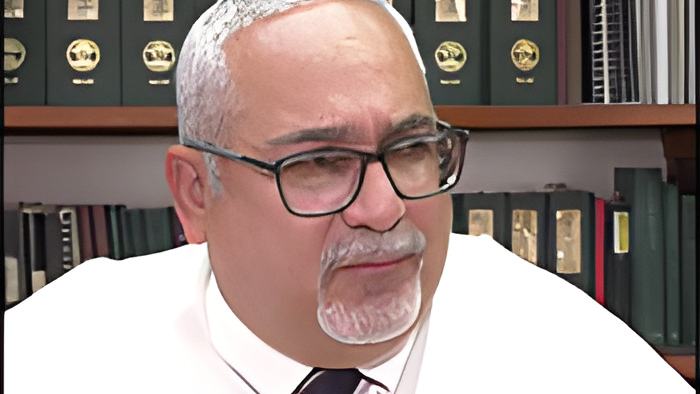
Andrew Marshalleck, Attorney
"Those claims have been paid by BTB, they've gotten their money. So the right to keep it is being challenged of course because as you will see from all the decisions on the floor and they are related to each other because the contracts were signed in the same, very similar terms and pretty much the same way. None of those contracts went to the BTB board for consideration or approval. Yet the BTB is being held responsible to pay billions of dollars under these contracts. These contracts were signed at the instance of the minister and the chairman of the board and never went to the board, and there is a fundamental governance issue to be resolved there. Now, it's not unusual that that type of issue doesn't see the results you need at this level and maybe needs to go outside believes before it gets a fair and proper consideration. And I'm sure that will happen."
Courtney Menzies:
"So you're considering CCJ?"
Andrew Marshalleck, Attorney
"Of course it's going to CCJ."
Courtney Menzies:
"And you're confident that the CCJ will have a different?"
Andrew Marshalleck, Attorney
"Well, what I can say about it is that I'm not satisfied that there's been a proper resolution of the issue. The BTB is a statutory body. It can only act within the four corners of this statute. You can stop outside the law and yet still hold the binding to certain things. And what they've said basically is that, notwithstanding that the law requires that these contracts go to the board, and the board must approve them, that because they were signed by a chairman and a vice chairman, there has been, there's an exercise of ostensible authority, and that is enough. And I had on your desk just on some articles about how the concept of ostensible authority applies in the public law context, and it doesn't apply the same way. So there are legitimate issues to be resolved. And I think it needs, a proper consideration from an external perspective for a proper resolution."
We'll keep following the cases as they go to the CCJ.