A judgement issued this afternoon by the Caribbean Court of Justice established a major constitutional principle, and it's in the government's favour.
The case goes back to 2017, when the government reorganized the importation of liquid petroleum gas - or butane - and established the National Gas Company as the sole importer, thus boxing out the long established importers from Mexico and Central America. They challenged that and started a long legal battle through the High Court and the Court of Appeal where they did have victories - and claimed damages in excess of $65 million dollars.
Government appealed to the CCJ, which today decided that those companies' constitutional rights were not violated. It's a major victory for government and saves them from paying millions in damages or amending the legislation. Their attorney Eamon Courtney told us more via Zoom:
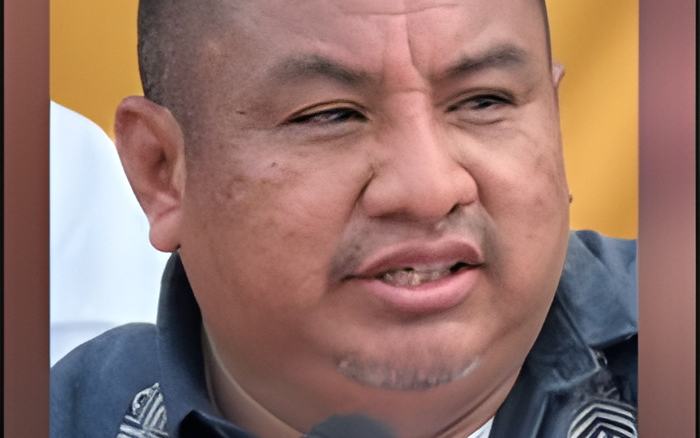
Eamon Courtenay, SC, Attorney, GOB
"The government appealed to the CCJ, and the CCJ has today decided that there was no taking away of goodwill, nor taking away of their right to work, freedom of association, and that in fact, they are not entitled to any damages because they did not plead or prove it properly. And therefore the government's position has been vindicated. That is to say, the way in which the LPG market is currently organized and the legislation that governs it is constitutional compliant."
"First of all, it is very important from the point of view that the financial exposure that the government faced was significant was in the tens of millions. And now that has been put to an end."
"I think this decision provides the clarity in telling government how far it can go in terms of regulating an industry, regulating a type of business without having to compensate those who are negatively affected."
"Now, I have always, perhaps emotively, called them the Central American Cartel. We know there are registered companies in Belize, but their ownership is Central American based."
Reporter:
But is this in some sense, a victory for nationalism?
"I think first of all, the companies are owned by, on paper by Central American companies, but is controlled by the Zaragoza brothers, who operate primarily out of Mexico and into Central America. So, indeed, it was a group of companies. And, you know, it was referred to as a cartel. That is the, and the reason for that is because they buy liquid petroleum gas at a rate for Mexico and for Central America, and they play the market: when they buy high, you know, they sell at a high price. When they buy low, they don't pass it on to their subsidiaries or to the retailers. Which was one of the objectives of government, of breaking that way of, oligopolistic way of organizing the market. And so government was able to intervene in that regard. But it also said that as a government, the policy decision to reorganize the market for the benefit of the Belizean consumer, for stability of price, for better measurement and analysis of the quality of LPG, you did many stories about the quality of LPG that people were getting, now that it is coming through one plant. Government can just go to that plant and do the testing there, rather than having to go to every LPG company to find out what was the LPG butane mix. So yes, it is putting the consumers first. It is putting the Belziean regulatory, power of the state first, And in that regard, I think it was a triumph for nationalism."
There was no order as to costs, recognizing the public importance of the issues raised and the reasonableness of the Gas Companies in pursuing the litigation.