One area where taxation is expected to increase sometime next year is within all the villages.
Also from last Tuesday's Cabinet Briefing, the Government announced that the Ministry of Rural Transformation, Community Development, Labor & Local Government, has received approval to implement trade licensing reforms in all municipalities and villages. These reforms are supposed to modernize and standardize the trade licensing regime.
And, that new form of taxation comes at the village level, where village councils will be able to charge trade licensing fees for the very first time. The amendments will be forwarded to the Attorney General for drafting. So, if you have a business in a village right now, you don't pay trade license fees, but when the change is implemented, you will have to contribute to your village council.
This morning, we got a chance to speak with the Chairman of Ladyville, and he said that it is a welcomed change. That's because villages have been given a mandate for a number of decades to maintain the upkeep of their community, without a major revenue source to do so.
Here's our conversation with the Chairman about this impending change:
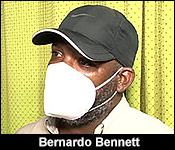
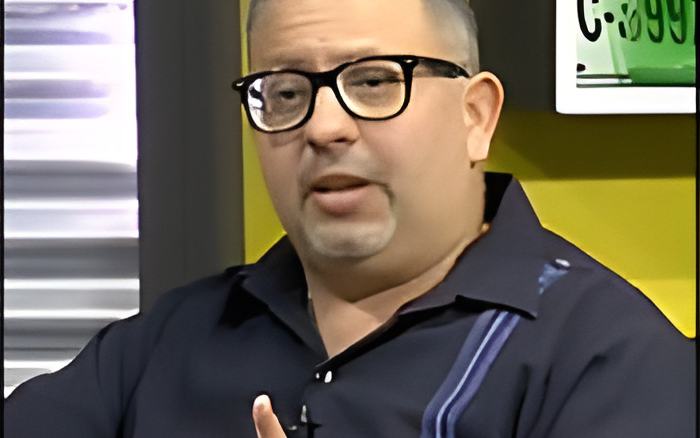
Bernardo Bennett - Chairman, Ladyville Village Council
"For the size of Ladyville - our village span from the Haulover Bridge all the way to Burrell Boom junction, and we have several smaller communities that comprise Ladyville."
"All these smaller communities that form Ladyville have issues in respect to drainage, the proper maintenance of roads, the overgrown grass along drain side, the clearance and cleaning of drains, and the village council does not have the resources like a city or a town to really take care and look after these issues that the community would always call us for assistance."
"The only revenue that the village council gets is from the liquor license fees. That ranges between 20 to 25 thousand dollars per year. A monthly budget for just taking care of our public spaces, like parks and playgrounds, sporting complexes, runs us like 35 hundred dollars per month, which, if you calculate for 12 months, that's 40 thousand dollars per year. So, you can see the difference already in revenues. What we will do, I would ask for assistance from the community. I would work with the area representative, who assists as well, and the only other fees we would get - I don't really call it fees, but we would ask our villages when they would want to do a burial, we would ask just for a donation of $100, so that would our into our account and that would go toward the cleaning of the cemetery."
"I know it's taxation - new taxation - that's going to affect businesses in rural communities, but I believe that this is something that should have [been] done a long time ago. Like I said before, developing villages, and big villages like Ladyville especially struggle in keeping up with the mandate of looking and taking care of the community."
Reporter
"As an elected officeholder are you ready for what could possibly be a negative reaction from the people who suddenly feel like they have to start paying these taxes?"
Bernardo Bennett
"I think that once the community sees that the new finances are working in the community, and people are seeing a difference, seeing development, and of course, the councils being accountable to the community, I believe that everything should be okay."