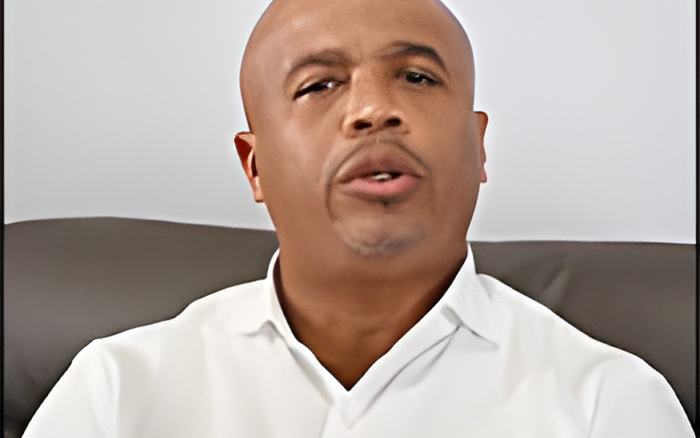

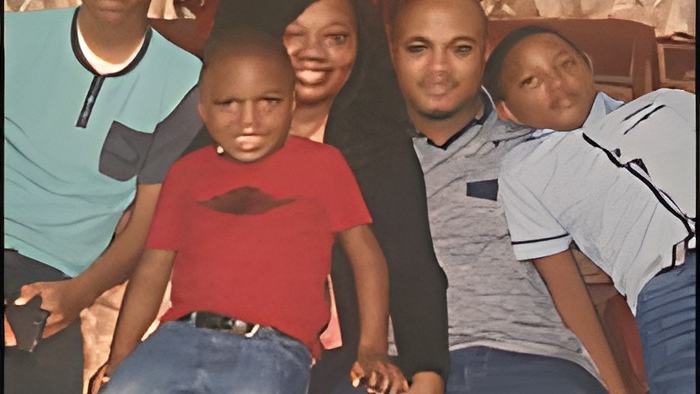
6 days have passed since Police Constable Michelle Brown was acquitted of the December 2017 murder of Fareed Ahmad, the well-known barber from Hattieville Village. Last week Friday, Justice Colin Williams, the judge who presided over this trial without a jury, gave a very detailed account as to why he had reasonable doubt in the prosecution's case against WPC Brown.
For a brief refresher, just after 12 a.m. on December 27th, 2017, residents of Hattieville Village responded to a traffic accident in which Ahmad's BMW slammed into an abandoned flatbed truck. When they arrived, they found Ahmad and Brown trapped in the wreckage of his vehicle, and after they were both extracted, they saw that Ahmad had been shot in the head.
Later on that night, he died from the injuries he suffered in the accident. A gun was found, and Michelle Brown was later charged with murder, but in the trial's evidence, that gun was never directly linked to Brown, and neither was it conclusively determined to be the murder weapon.
These and other issues with the prosecution's evidence caused the judge to acquit Brown.
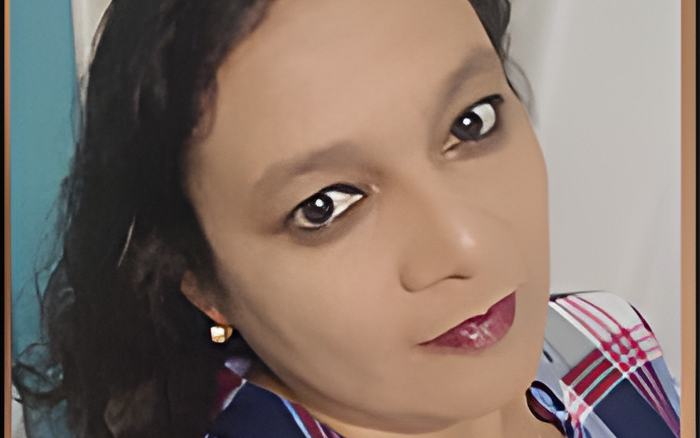
For the Ahmad family, who have been waiting all that time for the process to run its course, it was a serious blow to their confidence in the justice system. And today, Irma Dyer, Ahmad's wife, finally broke her silence and invited 7News for a sit-down interview discussing the case.
Here's her reaction to the acquittal of the woman who was accused of killing her husband:
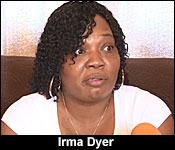
Irma Dyer - Wife of Fareed Ahmad "At first when I heard the judge mention that she was not guilty, I was in a bit of shock and it lasted a little while and then I had a similar feeling when the doctor told me that Fareed had passed and it was crazy, I had a serious meltdown, I was there crying, a lot of thoughts were running through my mind. At one point I felt guilty, I felt as if though I had failed Fareed and not because I didn't had any control of what was happening but because he was so worth fighting for and I know he didn't deserve it. I was very devastated and while going through that so many different emotions, I felt like a still voice said, Irma, it's going to be okay and eventually I got myself together and I was thinking man, this is another low blow for our family, how will I tell my kids, even though I told them before that this would have been one of the outcome that would have happened but still, at some point we had hope. Of course there were many things in this case that really got me upset and I really and truly don't want to get into all the details but one point in particular is the whole situation which this officer who was responsible to issue the firearm to the accused officer. I mean, I feel as if though he didn't make much effort in trying to retrieve back that firearm. He mentioned that he made several calls not the officer and he said that he looked around the compound and that was it. To me, he could have done more and he retired from duty and he went home and I guess he slept comfortable but I think people who are in these positions, if you are responsible for certain things, then I think you need to be held accountable. There was no solid evidence like, in terms of document to say that yes, I maybe Irma Dyer, as the officer in charge signed and this is a document that proved that yes, in fact this person got this gun and she didn't hand it in back. To me that was the smoking gun and it didn't happen and from then, like my spirit just drop and I said man, this is just getting worse."
"I do believe that the prosecutor could have done better, but I must say that she did well with what she had. I believe that she had to work with what she got from the police. And I must say that I'm very dissatisfied with their investigation. I think that it was a poor investigation. Like I said, I lost a lot of confidence in our department and I think that the department, especially the police department needs some kind of reform or something, people need to held accountable. There is no doubt that police officers are involved in my husband's death."
If you're from Belize City, you may be aware of Ahmad's community activism efforts. He attempted to provide at-risk youths with training as a barber so that they could use this profession as a way out of the street life. He was also a member of the local football referee fraternity, and his family says that he also used this sport as an outreach for Belizean youths. This afternoon, his wife told us that there were many other activities that he participated in as a positive member of the community, and she shared one of them with us this:
Irma Dyer "He was just was selfless that he wanted to just shared what he knew and was always willing to serve. I am a teacher at the special education institution, Stella Maris and so, I could remember when one of the students who Fareed was training one of the students there, he was a hearing impaired student and we use to joke and talk about it and I said Far, how do you communicate with this person, you're not versed with sign language and he would laugh about it and he would say Irma, I just use gestures and I could remember even after that session was passed, I could remember seeing this particular student visiting the shop and he was always there just wanting to hangout with Fareed and that really stuck with me because even though he didn't know how to communicate with this young man but he knew that Fareed was special."
Later on in the news, we'll share a few video testimonials from several of his friends.