
On last week Tuesday's news, we gave you a very detailed breakdown and analysis of the total number of major crimes which happened during the first 11 months of this year.
That snapshot was created by the Belize Crime Observatory or BCO, a fledgling Government Agency that has been in existence for 4 years now. The Observatory was established to collect, process, analyse, and store crime data to provide timely, reliable, and relevant information to the public. And, the analyses from the Observatory can already start to inform law enforcement leaders and policymakers on current crime trends, and what plausible anti-crime measures they can explore.
Like any other launch, however, the organization has had its fair share of start-up challenges. So yesterday, key personalities responsible for its formation said thanks to the sister institutions and agencies that have acted as partners. They did so via an End-of-Year stakeholder conference, which was carried teleconference, and 7News was invited.
Here are a few excerpts from the nearly 2 and a half-hour session:
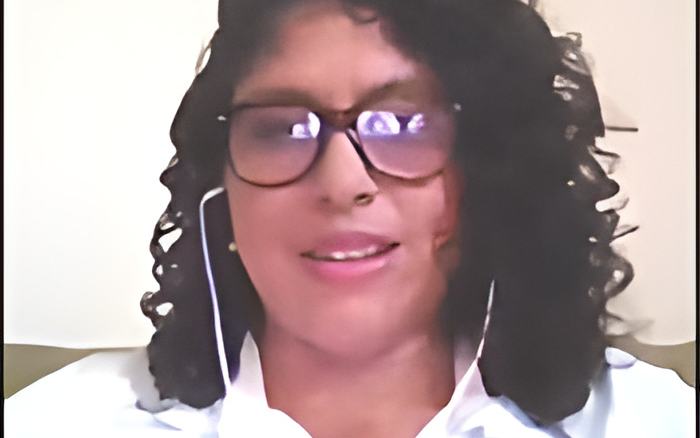
Marilyn Pinelo-Lee - Representative, UNDP Belize "Within the first 4 years, the UNDP, through the InfoSegura, provided support to the creation, strengthening, and institutionalization of the Belize Crime Observatory, which was a very critical-action and very initial that needed to be formalized."
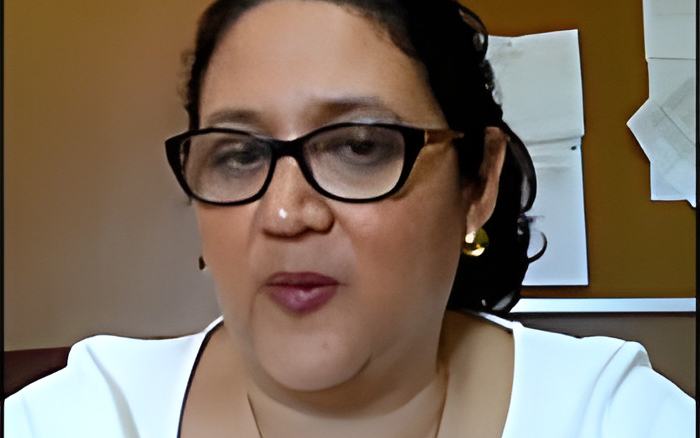
Cynthia Williams - Executive Director, Nat'l Women's Commission "As it relates to the work of the National Women's Commission, the work and partnership that we have established with the Crime Observatory are very much linked with the National Gender-based Violence Action Plan."
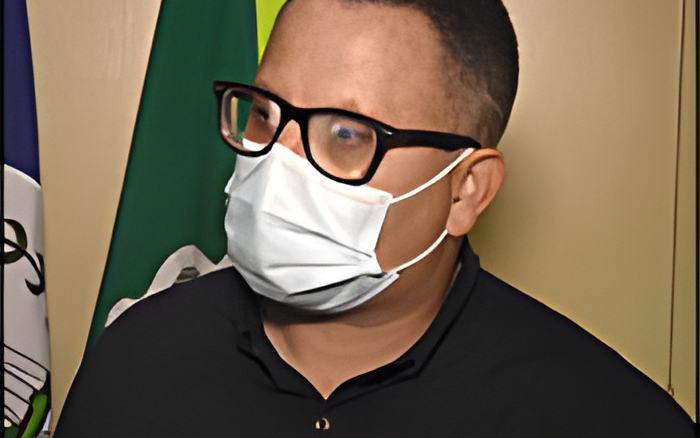
Ret. Col. George Lovell - Former CEO, Ministry of Natural Security (Home Affairs) "I certainly want to thank our partners. I think that the support that they have given to us since 2011 when we started off with this idea of an observatory has been tremendous in getting us to where we are. It is -the Canadians were involved. We have UNDP, InfoSegura, all the others who had come to the table and to ensure that we move from just a thought of what we wanted, an idea of what we wanted back in 2011, to having the BCO launch in 2016, and for where we are today in 2020, where I am hearing only good things of our work being used as source documents and all that sort of thing. I think that's great."
The Observatory is now attempting to diversify its crime analysis so that it can provide multi-dimensional breakdowns for members of the public. During yesterday's conference, the Technical Coordinator of the Observatory discussed one of those different perspectives; here's an excerpt:
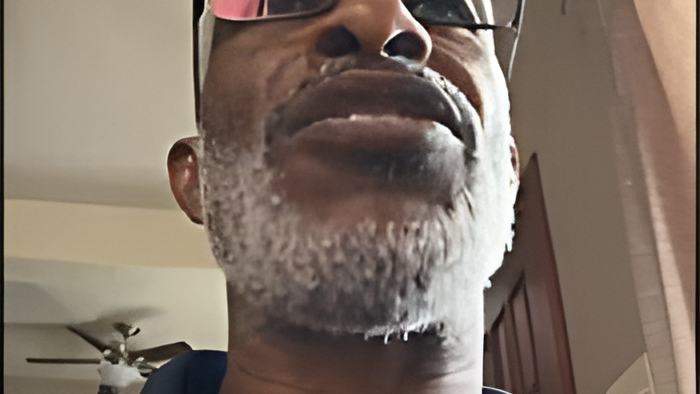
Adele Ramos - Representative, Belize Crime Observatory "We see where in terms of the percentage of the autopsies that were done for homicides in November 2019, there were 16%. And for the same period in 2020, 34% of those autopsies that were conducted by the National Forensic Science Service were on homicide victims. And that is substantial because we saw a period where it was like the murders just declined so substantially, and then, there was an uptick. So, again, we have to watch these dynamics because it points to the big question of whether the actions that we're taking are really making that kind of impact that we want. Are they measures that will have a sustained impact over time? And so, that is why it is so critical for us to have these kinds of analytics that will assure decision-makers that you know, you did this. Yes, it had that impact. Was the impact sustained? Where may we need to look at other measures to complement those very effective measures, so that the impact can be sustained? Now, for quite a long time, homicides have been among the top leading killers in Belize, right? And we see where, for every district, homicide has ranked among the top 10 killers in Belize. And if we look, for example, at where we were in 2010, versus where we were in 2019, you saw assault (homicides), it's ranked more or less like fifth among the leading causes of death. Heart disease is still the leading killer in Belize. But, homicides rank way up there, and I put COVID-19 there because I think we are well over 200 COVID-related deaths right now. And so, this information is usually compiled early in the year. And so, we wouldn't have figures for 2020 yet. But, based on the way things are going, we could very well see COVID-19 being listed there among the leading causes of death."
Even though 2020 was particularly challenging, the Belize Crime Observatory completed the first of its 3-year Strategic Action Plan for further development.