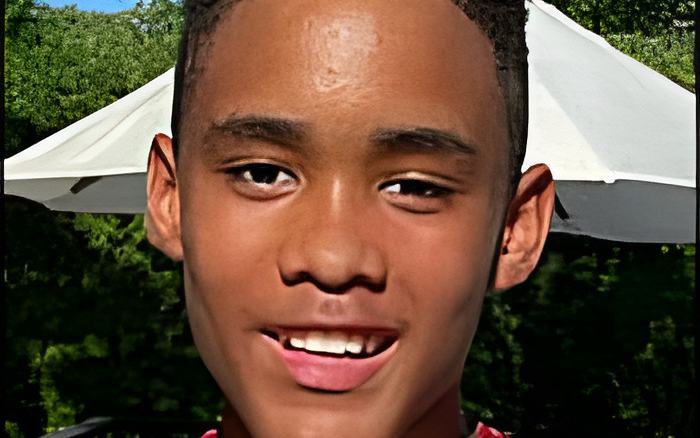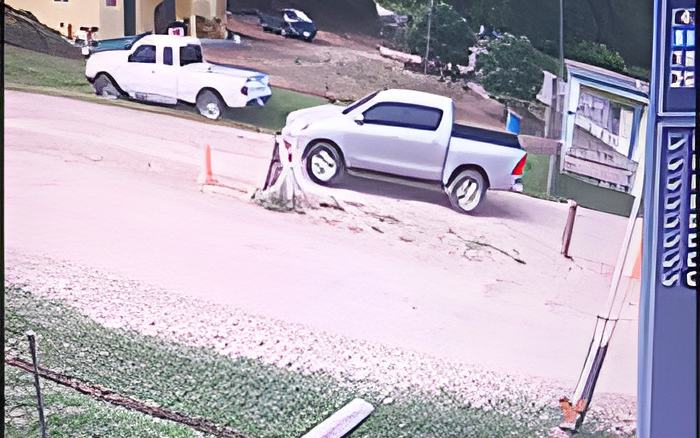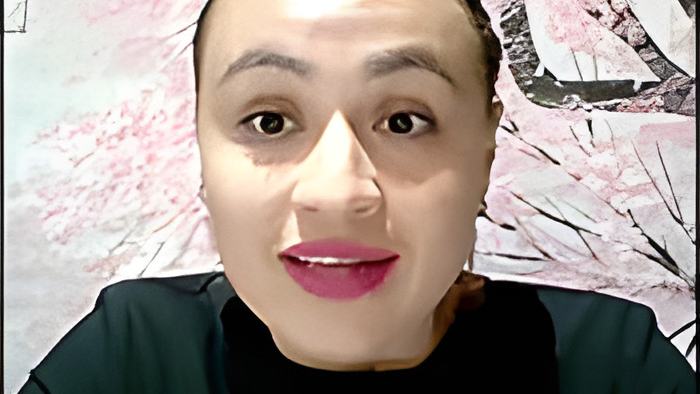
For the past few days, the conversation nationwide has been about the controversial case in which Police Corporal Kareem Martinez shot and killed 14-year-old Laddie Gillett on Placencia beach.
The debate is raging about whether or not the officer should be charged with murder instead of manslaughter. And while that case will slowly wend its way through the justice system; another instance of police excess has been called out by the Supreme Court.
Justice Westmin James has ruled that the police department cannot profile citizens and treat them like criminals without a clear cause for suspicion. That's the ruling he handed down today after Belizeans Greg Nunez and Bryton Codd sued the department for unlawfully profiling them in separate stops and searches last year. Neither claimant was engaging in any suspicious behavior, but before the officers allowed them to go on their way, they took pictures of their identification cards.
Now, police taking pictures of persons is a practice that usually occurs after he or she has been charged with an offense. Up until these claimants objected to the profiling tactics with this lawsuit, we received persistent that this kind if picture taking - especially for urban youths - was standard practice.
But, Justice James has ruled that the police are not allowed to profile you just because you are a black or brown Belizean. In a ruling made today, the judge found that the searches against Greg Nunez and Bryton Codd were arbitrary, oppressive, and unconstitutional, and he granted them damages in compensation.
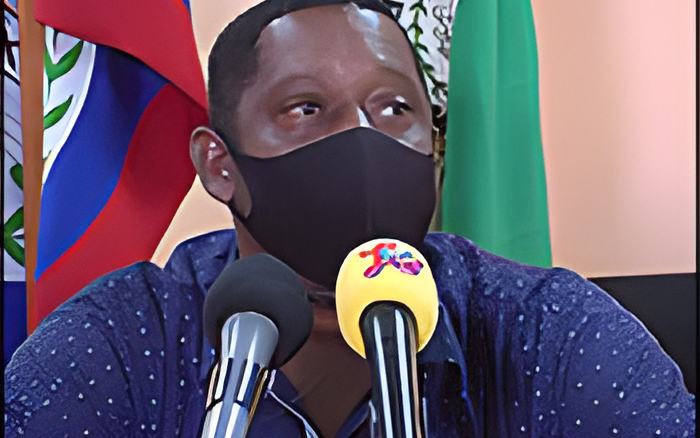
This evening, we spoke via zoom teleconference with their attorney, Leslie Mendez. Here's what she told us about the main arguments that were successful:
Leslie Mendez, Attorney for the Claimants
"That was the first argument which is that the searches is breached the right of the claimants under the constitution that protects them against arbitrary stops and searches. The court actually found that yes, these searches were conducted in the absence of reasonable grounds to suspect or belief that they were in possession of any of these things and so the court granted us a declaration confirming the violation of their rights."
"The next part of the claim was the photographing. We challenge that on the basis of a violation of the right to privacy, because there was no empowering legislation authorizing police officers to take photographs of persons or their identification cards. In circumstances they are not really in police custody and they have not been charged with any criminal offence. In fact in these cases the photographs are taken right after the police officers establish that nothing criminal has been found on their persons, so it was even more alarming to see that it was not even before where perhaps they would not have known so they are taking the photographs as evidence - it was actually a photograph taken after they have confirmed that nothing criminal was going on."
"The court gave several remedies in this case. The court gave declarations confirming that this type of practice does infringe the connotational rights of persons. It also ordered an injunction against the police department from carrying out or reinstituting this type of policy in the absence of any authorizing legislation. It also awarded damages for both claimants and then made an additional award of what we called vindicatory damages and the purpose of that award is to emphasize and underscore the importance of the rights that were breached and the need to discourage any further breaches from the police department in this manner."
We also got a chance to speak to the claimants themselves.
Greg Nunez is a social scientist who has worked with the police in the study of at-risk youths and the impacts of gang activity in Belize City. Bryton Codd is a volleyball athlete who is about to "go pro" after signing a 2-year contract with a professional team from Finland. He's also an advocate on behalf of student-athletes who are trying to find opportunities outside of Belize.
Both men told us why they felt compelled to step up and challenge the police profiling practice:
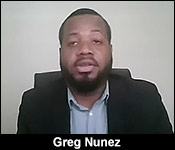
Greg Nunez, Claimant
"My experience of this throughout my entire life actually growing up on the south side, it seems to be a prevailing practice of the police department has occurred for many years, unthwarted. They seem to be no intention to actually the police department in regards to obvious breach of the human right and allowance of people to go about their meaningful duty as law abiding citizens. When I protested it was with the intention to sensitize them that indeed the public is looking and we are aware that what you are doing is not written in law. Unfortunately, the response was an aggressive one with an intention to silence me as a member of the public."
Bryton Codd, Claimant
"At the when we were actually stopped and search, it was all volleyball athletes from the men's national team and we were all in our workout gears with the flag on it and that was the starting point of our discussion really and truly when we started to engage a bit with the police officers at the stop and search. I was just taken aback, that because of our appearance we were stop and search, because there was no other reasonable suspicion as has been declared by the judgement today."
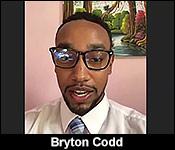
"Last year when I was stopped and searched on August 4th, that was the 3rd time I was stopped and searched and my information was taken down, documented in a span of 2 weeks and that was enough for me to draw the line and take a stance and some of my teammates were already stopped 5-6 times before and I thought that if not now, when. Why do we continue to sit back and allow the police who are supposed to serve and protect us to continue to violate and infringe on our constitutional rights and our human rights and our human dignity and I thought that that was the appropriate time to step forward and nip the bud."
The judge has ordered the Police Department and the Attorney General Ministry to pay Bryton Codd $3,000 for damages and 10,000 for vindicatory damages. Because Greg Nunez was targeted out of retaliation, and because the offending officer was particularly offensive, the judge ordered the government to pay him $5,000 for damages, and $10,000 for vindicatory damages.