
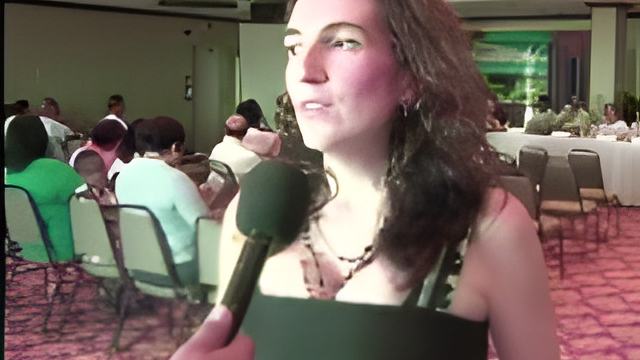
The Belize Tourism Industry Association along with partner agencies in tourism today launched the code of conduct for the protection of children from sexual exploitation in travel and tourism. The project seeks to join the children's rights non-governmental organization ECPAT to local service providers to prevent the sexual exploitation of children at tourism destinations specifically here in Belize.
Alfonso Noble Reporting,
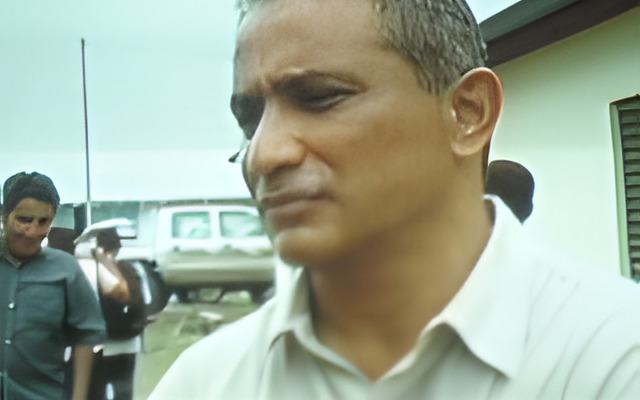
As part of the tourism industry's commitment to end child prostitution, child pornography and trafficking of children for sexual purposes EC representatives from the entire cross section of industry stakeholders cued up to sign on to the code of conduct for the protection of children from sexual exploitation in travel tourism. Project director for ECPAT is Amaya Renobales.
Amaya Renobales,
"We are trying to prevent Belize from becoming a sexual tourism destination. So with the private sector, what the tourism industry is doing here, it is signing a code of conduct in which they make the commitment of having a policy of rejection of sexual exploitation of children in tourism."
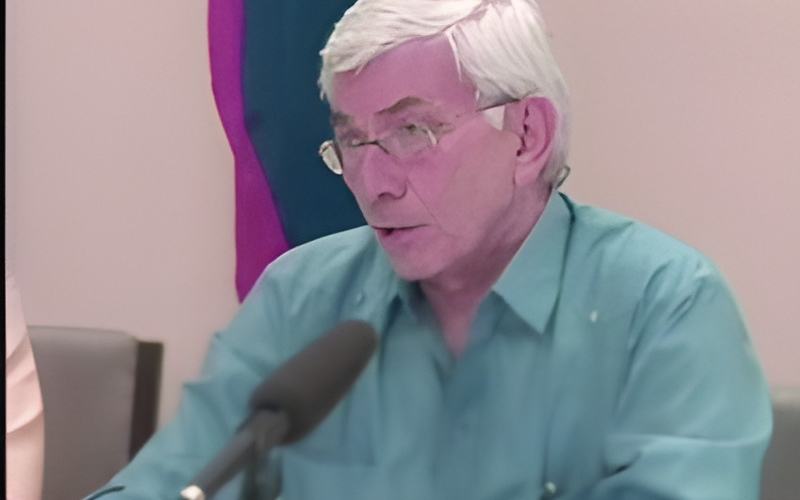
Hon. Godfrey Smith, Minister of Tourism
"Belize isn't a tourism destination that has the reputation for child sex tourism but certainly we would not go so far as to say Belize is immune. We are fairly sure that there are cases where it occurs and because we live in such a competitive tourism environment, it is absolutely necessary that we take steps to ensure that that kind of problem never really arises."
And because of the possibility that tourism can attract child sexual exploitation the tourism industry signed on to establish policies against it, to educate tourism personnel as well as educating both those offering tourism related services and those seeking it that sexual exploitation of children will not be tolerated.
Amaya Renobales,
"We don't really have figures. It is a phenomenon which is very hard to study and to know really how many children are employed in this. But the important thing is that as a tourist destination, it will always have the risk so the good thing about this is that we are preventing and we are acting before it becomes a bigger problem. So before we have this sex tourism here, the private sector is taking this action to say to the world: 'no, we don't want this kind of tourists. We protect our children here in Belize.
Sexual tourists can come in anyway, by plane, by cruise, by anyway. The increase in tourism in any country makes an increase in sexual tourism too and the demand can become bigger in a proportional way as the tourism becomes bigger and that is why it is very important to prevent it before it happens. Belize is promoting itself as a touristic place but they have to prevent this from happening."
Hon. Godfrey Smith,
"Basically what the project is looking at is to carry out a educational campaign training programs to ensure that those tourism operators, stakeholders, who are at the frontline, whether they be taxi drivers, tour guides, tour operator, hotel clerks, that they are aware of the issue and note the steps that we need to take to ensure that this kind of a problem does not set into the culture of Belize."
And in the efforts Minister of Tourism Godfrey Smith says that while human trafficking and sexual exploitation are not necessarily the same thing they are related and today's effort does help Belize's tier three classification.
Hon. Godfrey Smith,
"I wouldn't say the two really are mixed but I think it certainly enhances and helps us to get out of that tier three situation."
And as goes the U.S. classification of Belize under the tier three classification on the human trafficking issue, every bit helps.