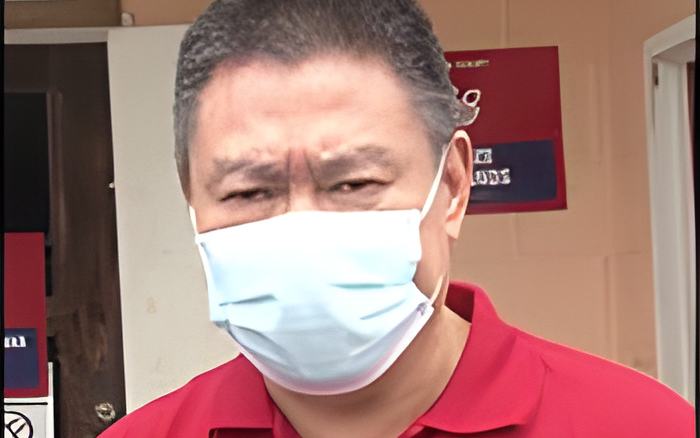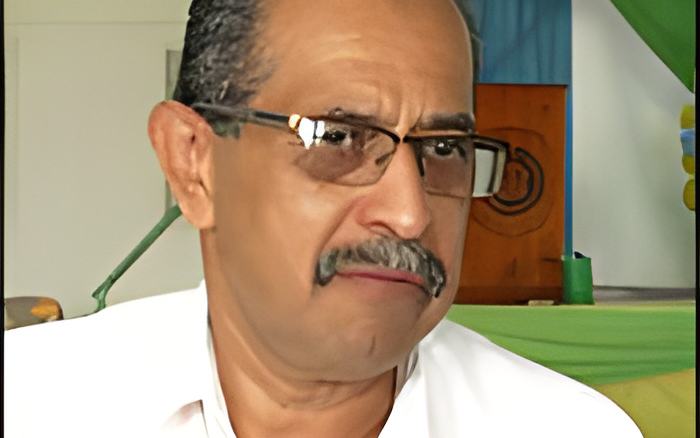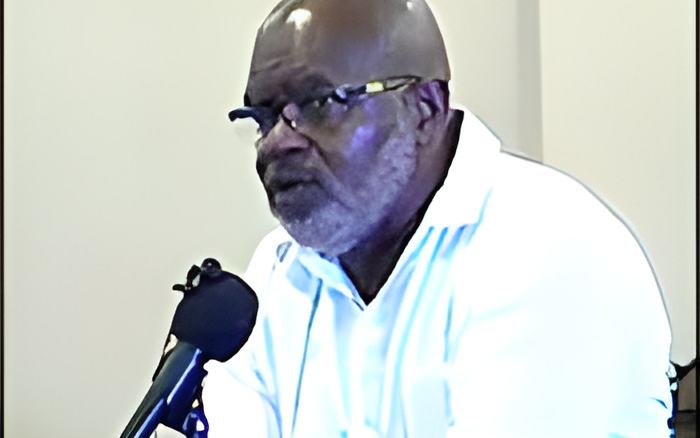

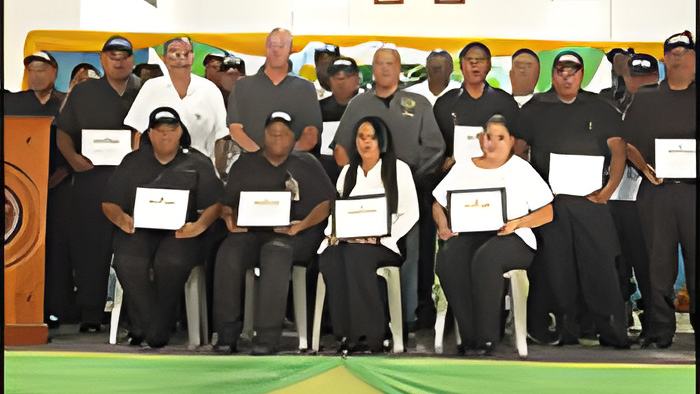
30 prison guards today graduated from the CorrectionsOne Academy - an online program that seeks to improve the professionalism and skills of the officers. The program consisted of several courses that the guards have been taking since May of this year, facilitated by a professor at the American Military University, Dr Jarrod Sadulski. Today, he and the CEO of the Kolbe Foundation explained more about the program and why it was necessary for the officers to take it.
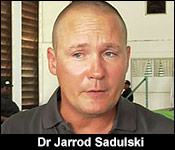
Dr Jarrod Sadulski, Associate Professor, American Military University
"Ultimately what we have is that we have 30 seats at the Corrections One Academy, it's an online program that provides professional corrections training that helps officers grow in their professional development, helps them grow to understand how to do their daily tasks a little more proficiently, the course is focused on everything from professionalism to managing emergencies within the prison to dealing with various different type of incidents that happen on a daily basis in prisons so what happens is this training helps to make them more professional and what they're doing is they're taking this training and they're passing it on to their coworkers which is ultimately helping to further the mission and goals of the Kolbe Foundation."
Courtney Menzies
"And how did you find that the officers did during this program?"
Dr Jarrod Sadulski, Associate Professor, American Military University
"They did amazing, you have to have an 80% to pass, most officers had I believe around a 90 or above but all officers had at least 85% of better, which shows their dedication because these courses were difficult courses."
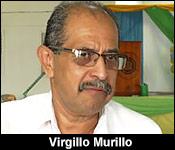
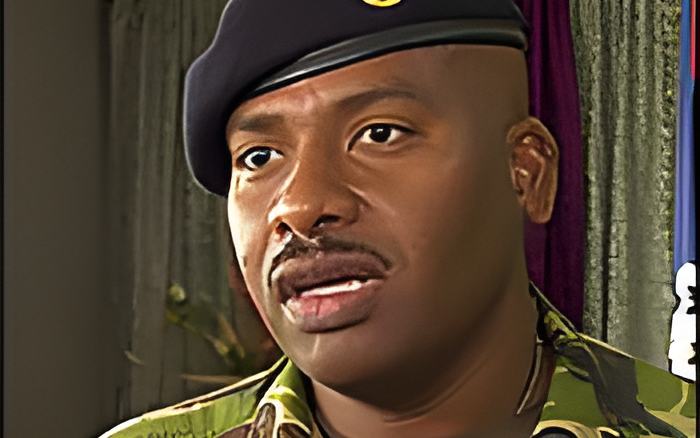
Virgilio Murillo, CEO, Kolbe Foundation
"You know that working in a prison is a very tough job, it takes people with a special character to be able to make it in an environment like this. Like I said earlier in my opening remarks, we end up with all the societal ills in the prison, people with criminal behavior, anti-social behavior, and even criminal thinking. And we're the last stop so to speak, we're the last option to try and manage people who have failed alternative punishments. And you got to be dynamic, you got to be versatile, you got to be skillful if you going to make an impact and turn these people lives around. So you cannot overemphasize the need for professionalism and the need to respect human rights, and the need to respecting the rule of law in this environment so this training certainly is one of those platforms, very unique, and first of its kind for Belize to professionalize our people to that extent so that they can do a good job. You're looking at things like leadership vs management, you're looking at ethical behavior in prisons, you're looking at hostage taking situations because we had that some years ago, you're looking at riot control, you're looking at things like intelligence gathering, escorting prisoners, supervising prisoners, it's a whole range of topics associated with prisons."
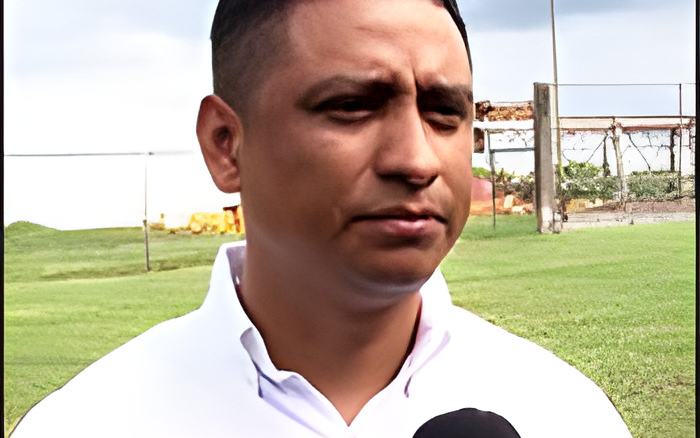
And two of the graduates also told us more about their experience, and what they learnt from the program.
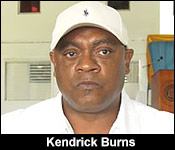
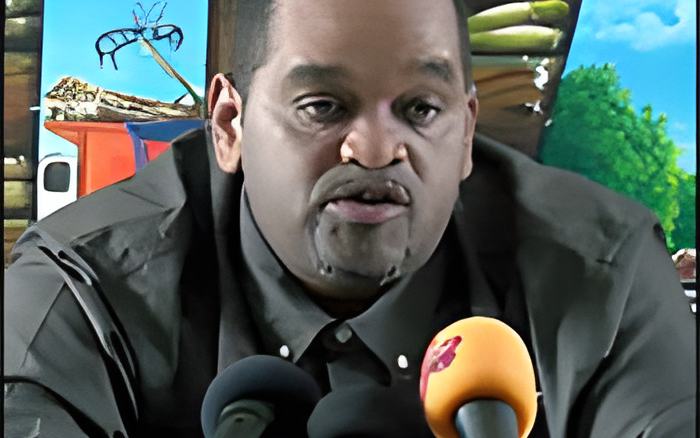
Kendrick Burns, Director, Ashcroft Rehabilitation Center
"One of the unique things that I find out is that is the course in ethics, and it talks a lot about that these are unsolved issues, people come here from society with needs and as a prison officer or civilian, if we don't model good ethics and good moral and good characteristics, it is hard for them to change so how it impacts me is to be more aware of what I say, what I do, and how I behave, even outside the prison. I believe it will take the prison to another level because it is a certified program, it is a program that the police academy and the correctional academy in Texas is taking so it will take us to a level of being more professional in our work and more aware of what we do."
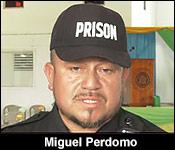
Miguel Perdomo, QRT Commander, Belize Central Prison
"It was, in my experience, for me, it was a little bit difficult because I was doing simultaneous training. I was at Operation Tradewinds in Belmopan with the police and at the same time had to do this tedious course in the night so for me it was a bit challenging but very helpful to all staff."
Courtney Menzies
"Why did you decide then to take on the challenge?"
Miguel Perdomo, QRT Commander, Belize Central Prison
"It came naturally, in this field, training, training, training, very essential. Very essential and we take any training seriously and it has, I believe, raised the standards of prison officers, then to now. Specifically for me, I more based myself on the tactical approach, based on my position as the ORT commander, my task is to control, deploy these guys that have to respond to various situations, things that we have to think about right off the top of our head. We don't have chances sometimes to plan, if we do then it works out in our benefit, but a lot of the times in this environment planning is a no go so the training that I focused on mainly was the tactical because but that isn't to say that I ignored the interactions that I will have with inmates, staff, and civilians that do come to the prison for various reasons."
During this time, there were other types of training taking place as well, including simulations of possible events such as hostage situations.