body,td,th { font-family: Arial; font-style: normal; font-weight: normal; }
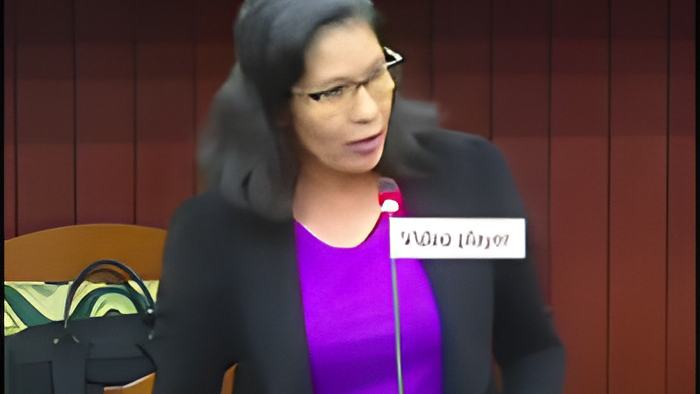
And in the House meeting last week, you heard a rigorous debate between the former Minister of Education and the current Minister of State in that ministry on the bill for an act to amend the education and training act. It seeks to increase the compulsory age for a child to remain in school to 16. Today, the union senator, who is also the former president of the BNTU and a teacher for many years, explained the complexities that could come with such an amendment.
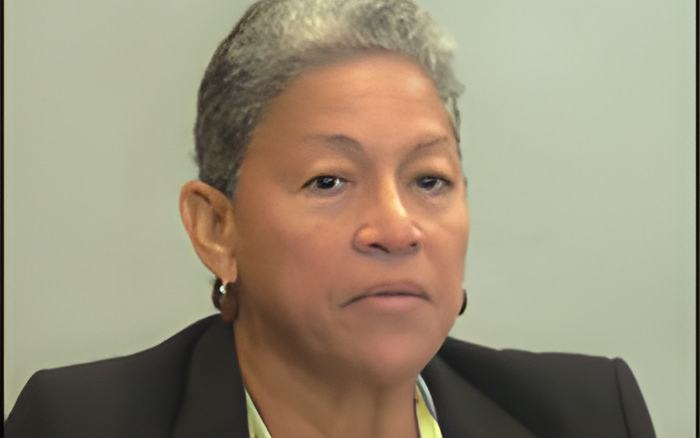
Elena Smith, Union Senator
"As a teacher of 38 years, I understand and i have seen where we have students who remain in our primary school system for example, for longer than they should, so if have that the primary school age should be 14, at 14 the child, you don't have to keep the child in school anymore, we do have a few students who are older than 14 in the primary school system. These are students who are not particularly academically inclined, and they prefer to do other things, and they might be bright in other things but those areas we don't cater for and so when we focus on academics, these students remain in school and they get old in a class because they're not able to do the work or some of them just don't have interest and they prefer to do other things so they focus on the work and they remind in the school system for longer than the age that is given. With this bill, we have to pay attention with what we are going to be putting in place for these children and Senator Swaso raised these concerns because it has to be with resources so if I want my students to remain in school up to the age of 16, I want them to have a certain level of skills that they can function, but I have these children who are not inclined to do math or language or these other subjects areas, but they prefer skills, they prefer skills, they prefer trade, where do we put them? Are we prepared and do we have the space, for example, at the ITVETs? Do we have additional areas where these students can go into? Because it's not just about having them in school up to a certain age but it's to ensure that they are not only performing in school but that what they are doing will be beneficial for them, are we providing that to them?"