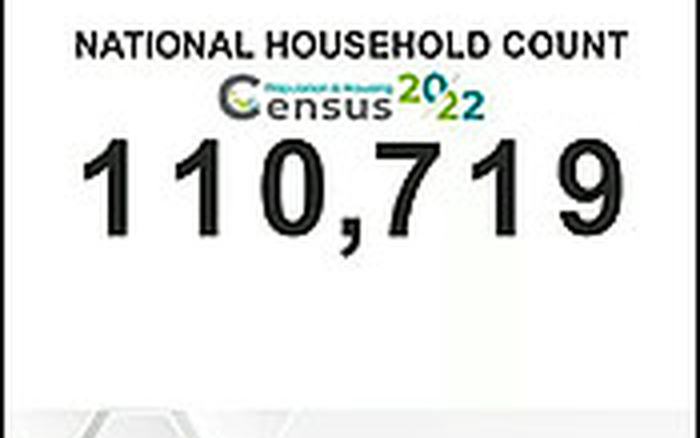

In the next few months, the Statistical Institute of Belize will be publishing other reports with more detailed data from the census.
And while it is a treasure trove of valuable information, we asked the statisticians how accurate the census was when there were known limitations in mobilizing census takers, and keeping them out after hours.
Here's what the Director General said:
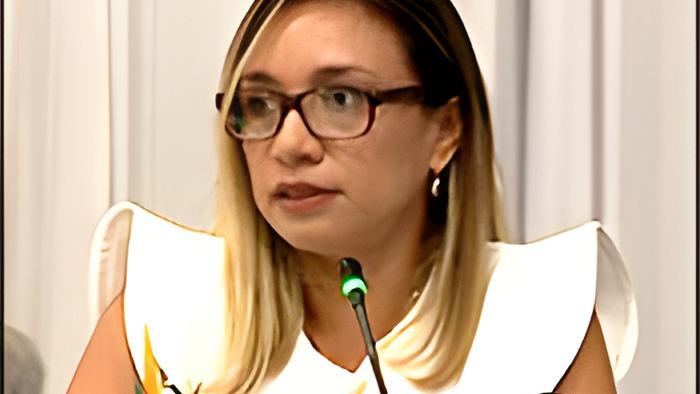
Diana Castillo - Trejo, Director General - SIB
"Our biggest challenge was with respect to staffing. We put the census out into the field at a time when the labor market was becoming very tight. We were not the only employers that had challenges recruiting people for posts from within the same pool of the labor force."
"So staffing was the major challenge. There was, we did notice some increased reluctance on the part of respondents, a little bit more than we saw in 2010, but I would not say that it compromised the data so much as it just made it more challenging."
"So while we had hoped to be out of the field within three months, it took us five months to complete most areas, eight months in Belize City, and Belize City had its own unique challenges with respect to safety and staffing and so on."
"Belize City was one of the areas where it was most difficult to find persons at home because we were advised not to work late hours and, you know, in the evening, in the night is when you find working people at home, so that was a challenge of its own."
"It was difficult. as I said, I don't mean to make it sound ominous because it was in the end a successful census. We just had to work around a lot of the challenges. The timeline was extended, and as you can see, our data users have been waiting quite eagerly for the data for some time now, so it took us a little time also to get the data processing done."
"However, we have done a great deal of work to ensure that what we have presented today is an accurate reflection of what is on the ground."