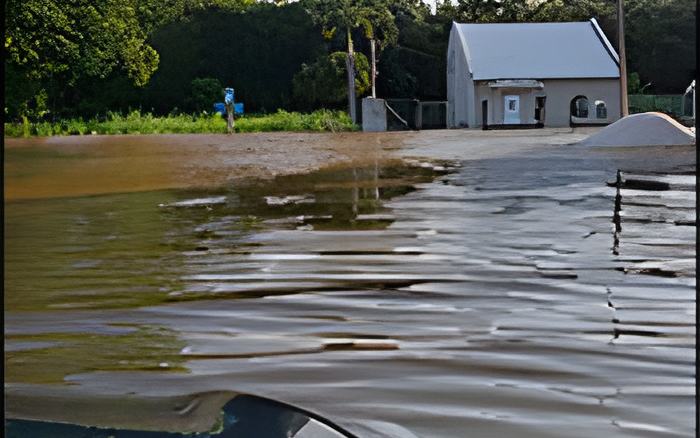

And, what we've seen all across Belize during these flooded weeks, is arguably part of the climate change which is playing out in real-time across the region. We wondered what sort of flood mitigation measures could be implemented on behalf of those low-income families who are forced to live in areas of their country which are chronically flood-prone.
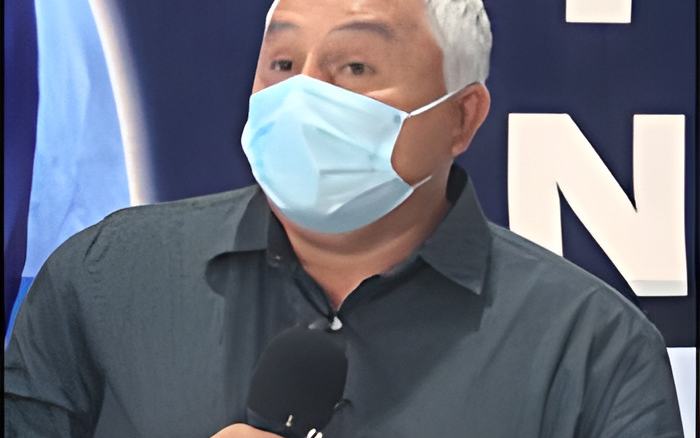
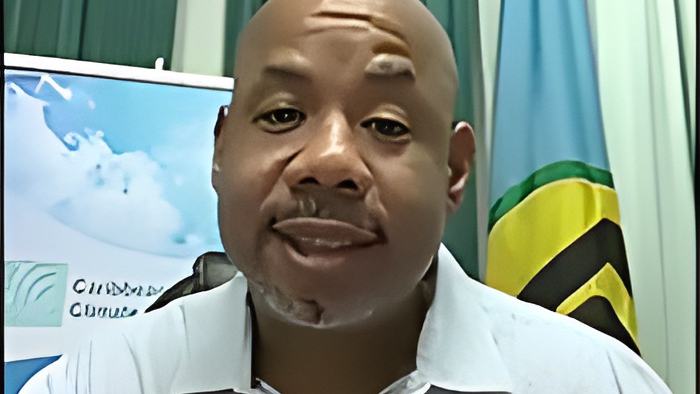
We got an opportunity to discuss that topic yesterday, with Dr. Colin Young, the new executive director of the Caribbean Community Climate Change Center or "5C's" centre. Here's what he had to say about the limited options available to these CARICOM citizens who are usually the most devastated by hurricanes which continue to intensify annually:
Dr. Colin Young - Executive Director, CCCCC
"That's a very difficult question because it involves people, and therein lies the challenge that comes with it. But ideally, what we would want to see is that in the various countries, where there are recurrent issues of flooding, in some cases it can be annually - in some cases, it can be every decade. It's once every 50 years. But, it's to use the data to come up with adequate zoning plans. And Ideally, what you'd want is that the member-states avoid the settling of people in areas that are prone to flooding, and prone to disasters. In terms of communities that are already established, then you'll have to look at, again using the data to see how best that can be mitigated, whether it's by doing better drainage, whether it's a combination of that and putting hard infrastructure, in terms of sea walls, or flood mitigation dykes, but these things are expensive. They're very, very expensive, and as a result, many of our countries don't have the resources to invest in the kind of infrastructure that would be needed to flood-proof particular areas. And so, this is where, I believe, states have to work with those populations to try to ascertain what are the best options available, whether its relocation, whether it's trying to look at adaptation measures that can at least delay the frequency of the flood. But ultimately, what you need is you need to know and map all of your flood zones, all of your flood areas, and then draft up the zonation policy that then adheres to that because then once the disasters come, obviously then the damage is going to be extensive."